Skip to Content

Category Archives: TOOL STEEL

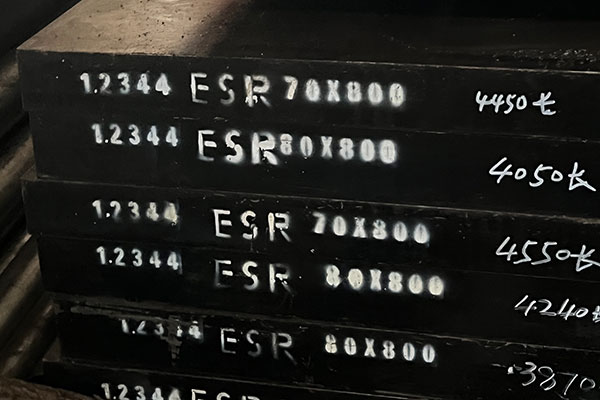
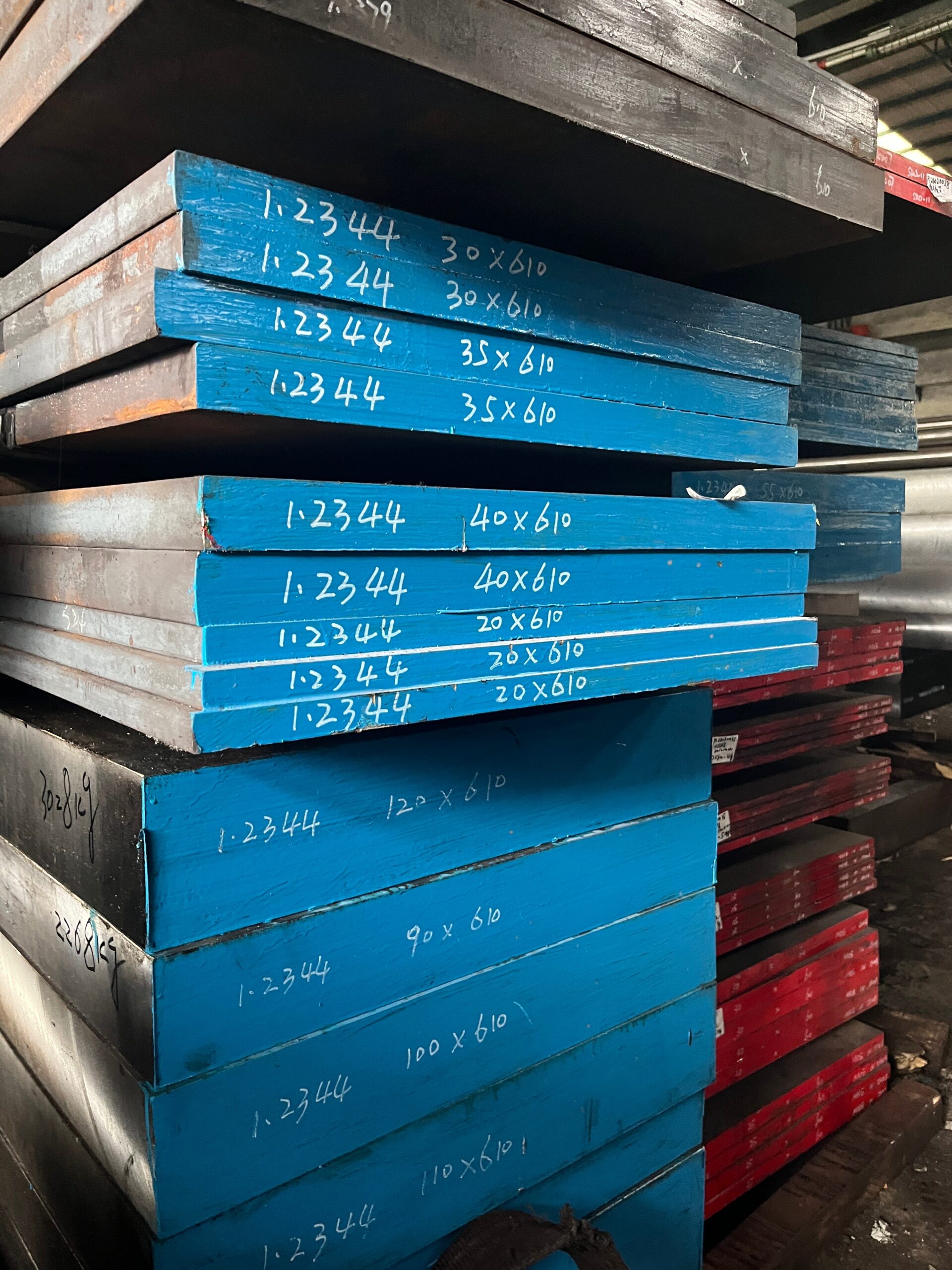
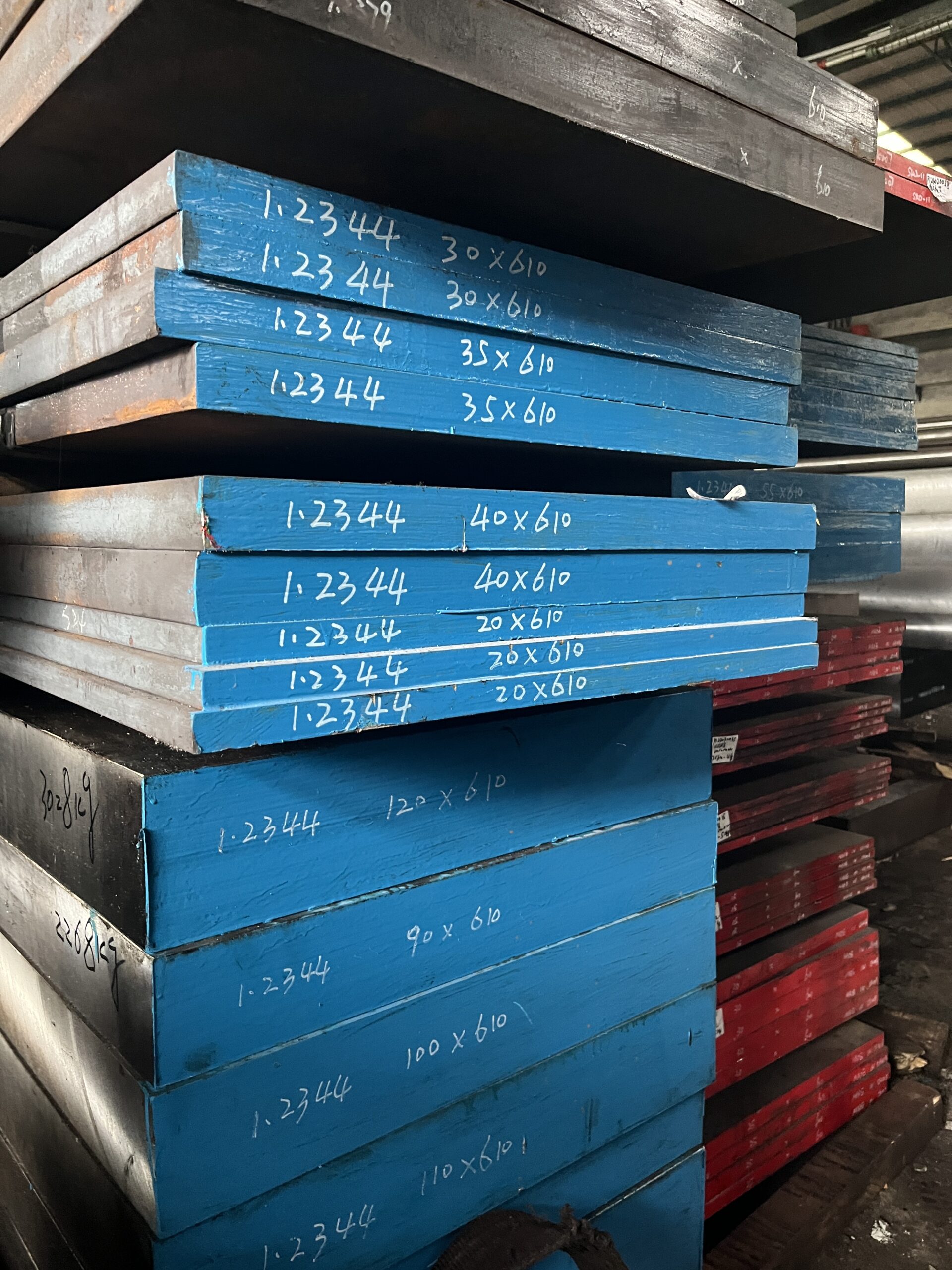
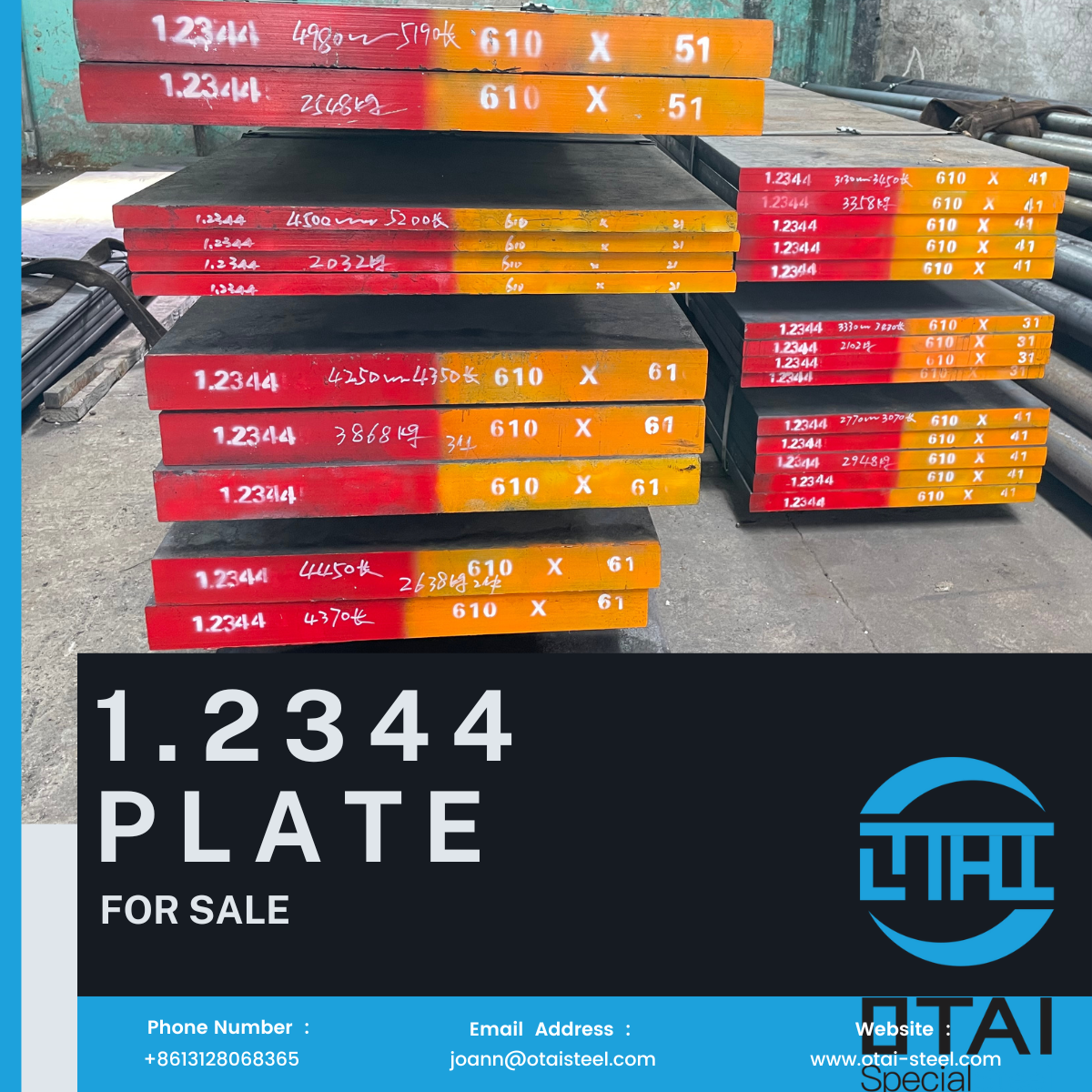
DIN 1.2344 ESR (X40CrMoV5-1) Hot Work Tool Steel

DIN 1.2344 mold steel is also known as H13 steel , for some large size , customers will request DIN1.2344 ESR. It is a commonly used hot work die steel in the world. This steel has good toughness, good thermal strength, thermal fatigue performance and certain wear resistance. DIN 1.2344 is air-cooled hardened steel and has the advantage of small heat treatment deformation. It  usually applied to  in  manufacture die-casting molds for aluminum castings, hot extrusion dies, tools for punching, mandrels, press forging dies, plastic molds, etc. DIN 1.2344 steel also widely used in die-casting molds for aluminum, copper and their alloys.In China, 1.2344 mold steel is equivalent to GB 4Cr5MoSiV1 steel.

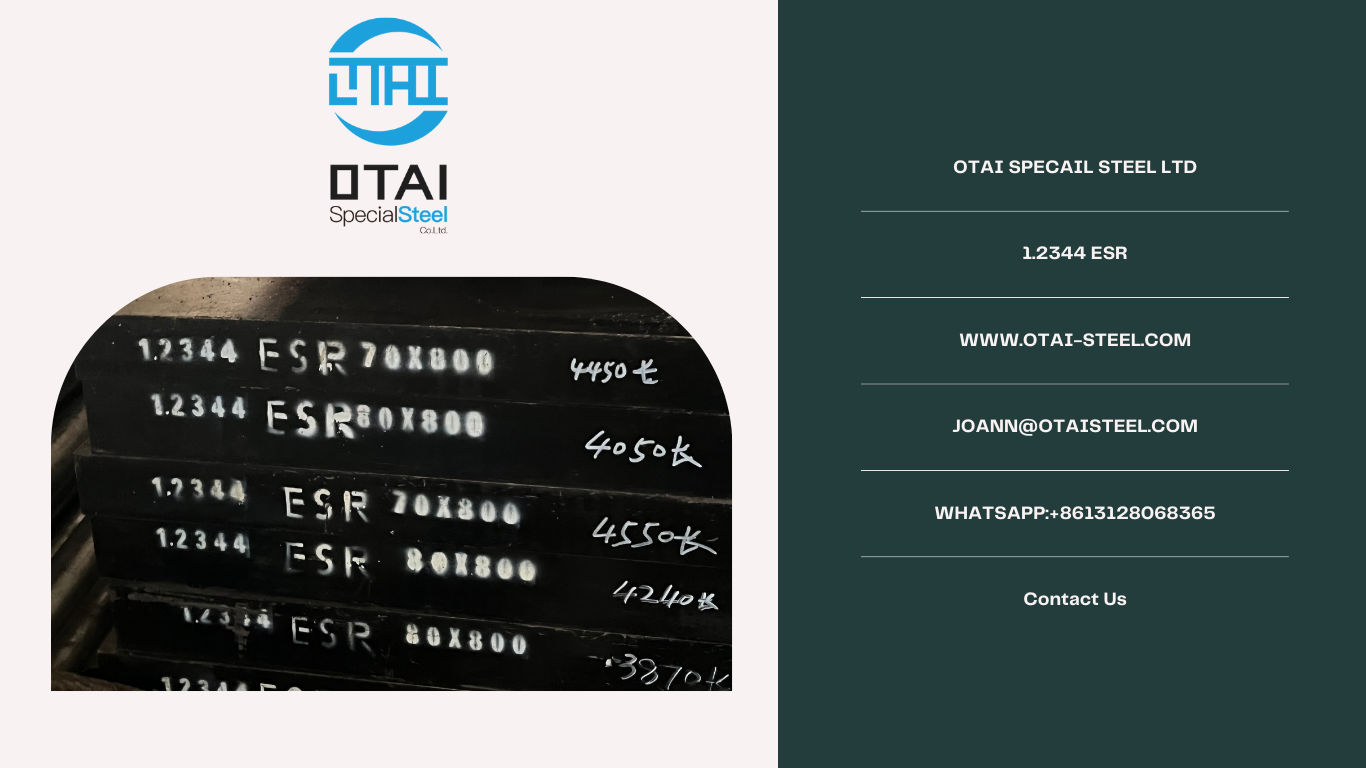
DIN 1.2344 ESR form through a steelmaking process, such as EAF+LF+VD, and then through an electroslag remelting (ESR) process. After ESR, the steel is denser and the surface is smoother. After ESR, the steel has uniform material, with below advantages:

A:Good hardenability. B: good cutting processability and polishing performance. C:High toughness and plasticity. D: Good high and low temperature wear resistance. E: High temperature fatigue resistance.  F:Good heat resistance and impact resistance.

DIN1.2344 ESR-steel-plate1.2344 Chemical composition of mold steel and equivalent materials

ASTM A681 C Mn P S Si Cr V Mo
H13 0.32 0.45 0.2 0.6 0.03 0.03 0.8 1.25 4.75 5.5 0.8 1.2 1.1 1.75
DIN ISO 4957 C Mn P S Si Cr V Mo
1.2344 /X40CrMoV5-1 0.35 0.42 0.25 0.5 0.03 0.02 0.8 1.2 4.8 5.5 0.85 1.15 1.1 1.5
JIS G4404 C Mn P S Si Cr V Mo
SKD61 0.35 0.42 0.25 0.5 0.03 0.02 0.8 1.2 4.8 5.5 0.8 1.15 1.0 1.5

1.2344 Heat treatment:

Item Tempeature/℃ Cooling Medium Hardness
Annealing  750~800 ≤20℃/h cool slowly in furnace to 500℃,air cooling ≤235HB
Quenching 1020~1050 Oil  Or Air Or Warm bath 56-58HRC
Termpring 530~600 Air 45-50HRC

Physical properties (average values) at ambient temperature

Modulus of elasticity [103 x N/mm2]: 215Density [g/cm31: 7.78

Thermal conductivity [W/m.K]: 25.0

Electric resistivity [Ohm mm’/m]: 0.52

Specific heat capacity[J/g.k]: 0.46

Thermal conductivity [W/m.K]M

20°C 500°C 600°C
25 28.5 29.3

Density [g/cm3]

20°C 500°C 600°C
7.78 7.64 7.60

Electric resistivity [Ohm mm2/m]

20°C 500°C 600°C
0.52 0.86 0.96

Specific heat capacity[J/g.K]

20°C 500°C 600°C
0.46 0.55 0.59

Coefficient of Linear Thermal Expansion 10-6 0C-1

20-100° 20-200°C 20-300°C 20-400°C 20-500°C 20-600°C 20-700°C 20-800°C
10.7 11.9 12.2 12.5 12.7 13.1 13.5 13.7

DIN 1.2344 Mechanical properties

Properties Metric Imperial
Tensile strength, ultimate (@20°C/68°F, varies with heat treatment) 1200 – 1590 MPa 174000 – 231000 psi
Tensile strength, yield (@20°C/68°F, varies with heat treatment) 1000 – 1380 MPa 145000 – 200000 psi
Reduction of area (@20°C/68°F) 50.00% 50.00%
Modulus of elasticity (@20°C/68°F) 215 GPa 31200 ksi
Poisson’s ratio 0.27-0.30 0.27-0.30

DIN 1.2344 ESR Applications

1.2344 mold steel is widely used in manufacturing various molds and tools such as plastic molds, die-casting molds, hot pressing molds, cold extrusion molds, etc.

1.2344 hot work die steel is mainly used in: hot forging dies with high life requirements; light alloy die-casting dies; molds and mold inserts; hot extrusion dies; hot shear blades; Pilgrim mandrels and calipers; mold components (such as worm gears) , cylinder, nozzle), etc.

DIN 1.2344 ESR Application areas

1. Automobile industry

In the automotive industry, 1.2344 mold steel is widely used in the production of automotive parts. For example, molds for manufacturing automobile engines and transmissions, as well as molds for automobile chassis and bodies, etc. Molds made of 1.2344 mold steel not only have excellent wear resistance and thermal stability, but also can withstand high-intensity impact loads, thereby ensuring the production accuracy and quality of automotive parts.

DIN 1.2344 2. Aerospace industry

In the aerospace industry, 1.2344 mold steel is used in the production of various complex components, such as aircraft engine impellers, turbines, etc., as well as rocket engine guide rudders, nozzles, etc. The excellent characteristics of 1.2344 mold steel ensure the durability and stability of these components in high temperature and high pressure environments, ensuring the safety and operating efficiency of the aircraft.

3. Electronics industry

In the electronics industry, 1.2344 mold steel is widely used in the production of casings, keyboards, displays and other components for mobile phones, computers and other electronic products. Due to the strong hardness and wear resistance of 1.2344 mold steel, it gyarntee the quality and life of these parts .

4. Medical industry

In the medical industry, 1.2344 mold steel is used to produce a variety of medical devices, such as scalpels, orthotics, prosthetics, etc. These medical devices require high strength and high wear resistance, and 1.2344 mold steel can meet these requirements.

1.2344 ESR Mold steel price

To understand the approximate price range of mold steel, you need to consider factors such as imported and domestic choices, required specifications and quantities. In addition, factors such as include transportation distance, processing requirements, and whether tax   will also affect the price. In order to obtain accurate price information, please contact us and we will provide you with a detailed quotation.

Joann -Otai specai steelE-mail:joann@otaisteel.com

WhatsApp:+8613128068365
0 Continue Reading →

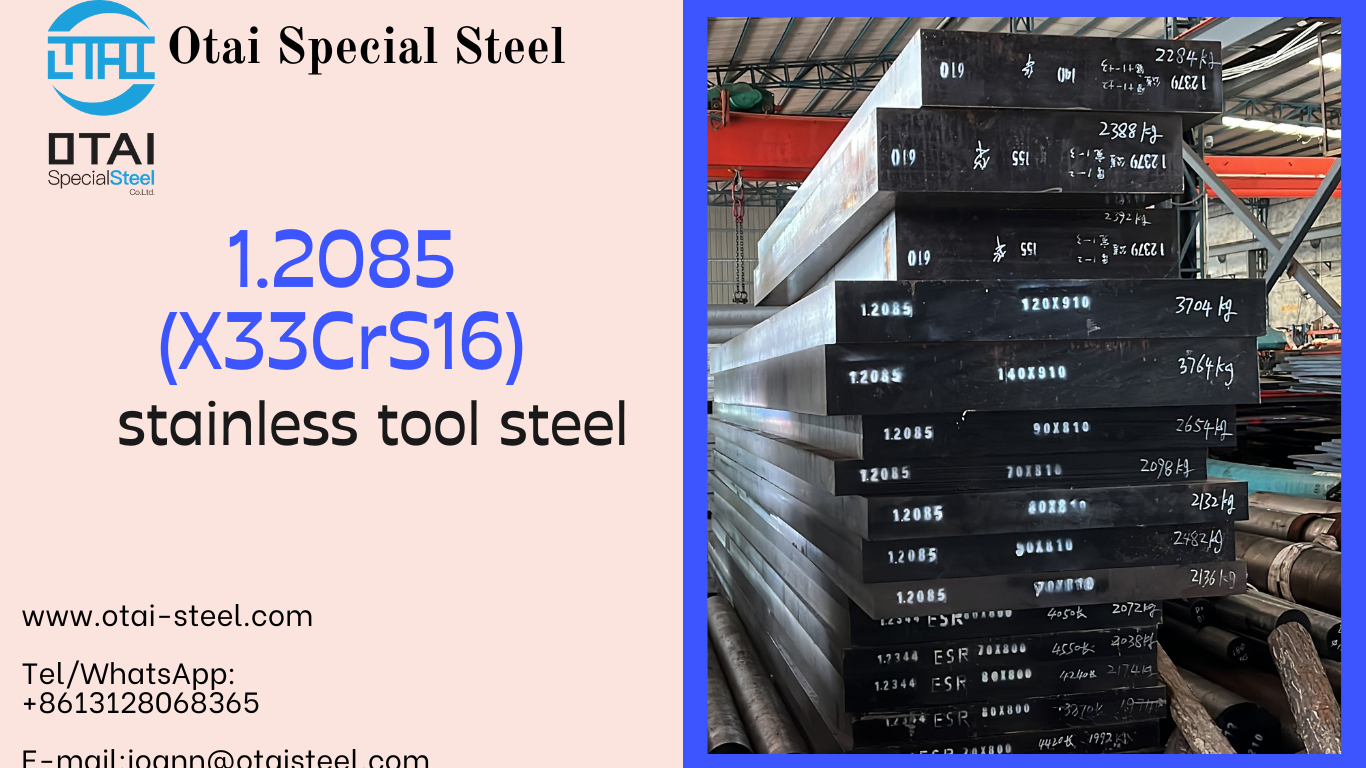
Unveiling the Marvels of 1.2085 (X33CrS16) Material: A Deep Dive

1.2085 (X33CrS16) material emerges as a corrosion-resistant martensitic stainless tool steel, known for its exceptional properties in various industrial applications. Let’s explore the intricacies of this material, covering its composition, hardness, mechanical properties, applications, and pricing.

1.2085 Material Composition and Unique Features

1.2085 (X33CrS16) steel is distinguished by its corrosion resistance and martensitic structure. In its hardened state, polished to mirror brightness, it becomes magnetizable, showcasing its versatility. The sulfur content not only facilitates good machinability but also contributes to its mechanical strength and toughness.

1.2085 Chemical composition:

  C Si Mn S P  Cr Mo Ni
1.2085 0.28-0.38 Max1.00 Max1.40 0.050-0.100 MAX0.030 15.00-17.00 / Max1.00

The interplay of these elements grants 1.2085 its remarkable strength, durability, and corrosion resistance. This chemical harmony contributes to the material’s suitability for various applications.

1.2085 Hardness: A Key Indicator of Performance

1.2085 is delivered hardened and double tempered to 280 – 325 HB (29 – 33 HRC), 1.2085 (X33CrS16) steel stands as a robust material, suitable for applications demanding resilience and durability. This hardness range ensures optimal performance in various working conditions.

1.2085  Properties: Unraveling the Technical Details

Resistant to the corrosion, Martensite steel with the high content of chrome. The steel has good resistance to the wear, good workability and polishability. Delivered quenched and tempered 280 – 325 HB.

PHYSICAL PROPERTIES

Quantity Value Unit
Thermal expansion 16 – 17 e-6/K
Thermal conductivity 16 – 16 W/m.K
Specific heat 500 – 500 J/kg.K
Melting temperature 1370 – 1400 °C
Service temperature 0 – 500 °C
Density 8000 – 8000 kg/m3
Resistivity 0.7 – 0.7 Ohm.mm2/m

Mechanical Properties

Properties Conditions
T (°C) Treatment
Density (×1000 kg/m3) 7.7-8.03 25
Poisson’s Ratio 0.27-0.30 25
Elastic Modulus (GPa) 190-210 25
Tensile Strength (Mpa) 1158 25 oil quenched, fine grained, tempered at 425°C
Yield Strength (Mpa) 1034
Elongation (%) 15
Reduction in Area (%) 53
Hardness (HB) 335 25 oil quenched, fine grained, tempered at 425°C

Applications Across Industries

1.2085 (X33CrS16) steel finds its stronghold in the realm of hot-forming molds. Widely utilized in extrusion tools, forging molds, aluminum injection molds, hot cutting blades, and plastic molds, its high impact resistance makes it a preferred choice for thick sheet cutting molds. Its adaptability extends to areas like the white goods and electronics industry, as well as medical and food applications.

Navigating the Price Landscape

Understanding the cost of 1.2085 (X33CrS16) steel involves considering factors such as product section, dimensions, and surface quality. For current and specific pricing, the “Proceed to Online Sales” button on www.saglammetal.com provides a gateway to accessing this crucial information.

1.2085 Material Industries and Applications

1.2085 (X33CrS16) steel seamlessly integrates into industries like white goods, electronics, medical, and the food industry. Its application spectrum spans plastic injection molding and serves as a reliable material for holder components, showcasing its adaptability across diverse sectors.

In conclusion

1.2085 (X33CrS16) (HC16S) steel is more than just a material—it’s a solution. Its corrosion resistance, mechanical strength, and versatility position it as a cornerstone in various industries, meeting the demands of precision and reliability.

1.2085 Material FAQs

1. **Is 1.2085 (X33CrS16) steel suitable for humid environments?**
– Yes, the sulfur content in 1.2085 steel contributes to its machinability, making it suitable for working in wet or humid conditions.

2. **What sets 1.2085 (X33CrS16) apart in hot-forming molds?**
– Its high impact resistance and excellent dimensional stability during heat treatment make it an ideal choice for hot-forming molds.

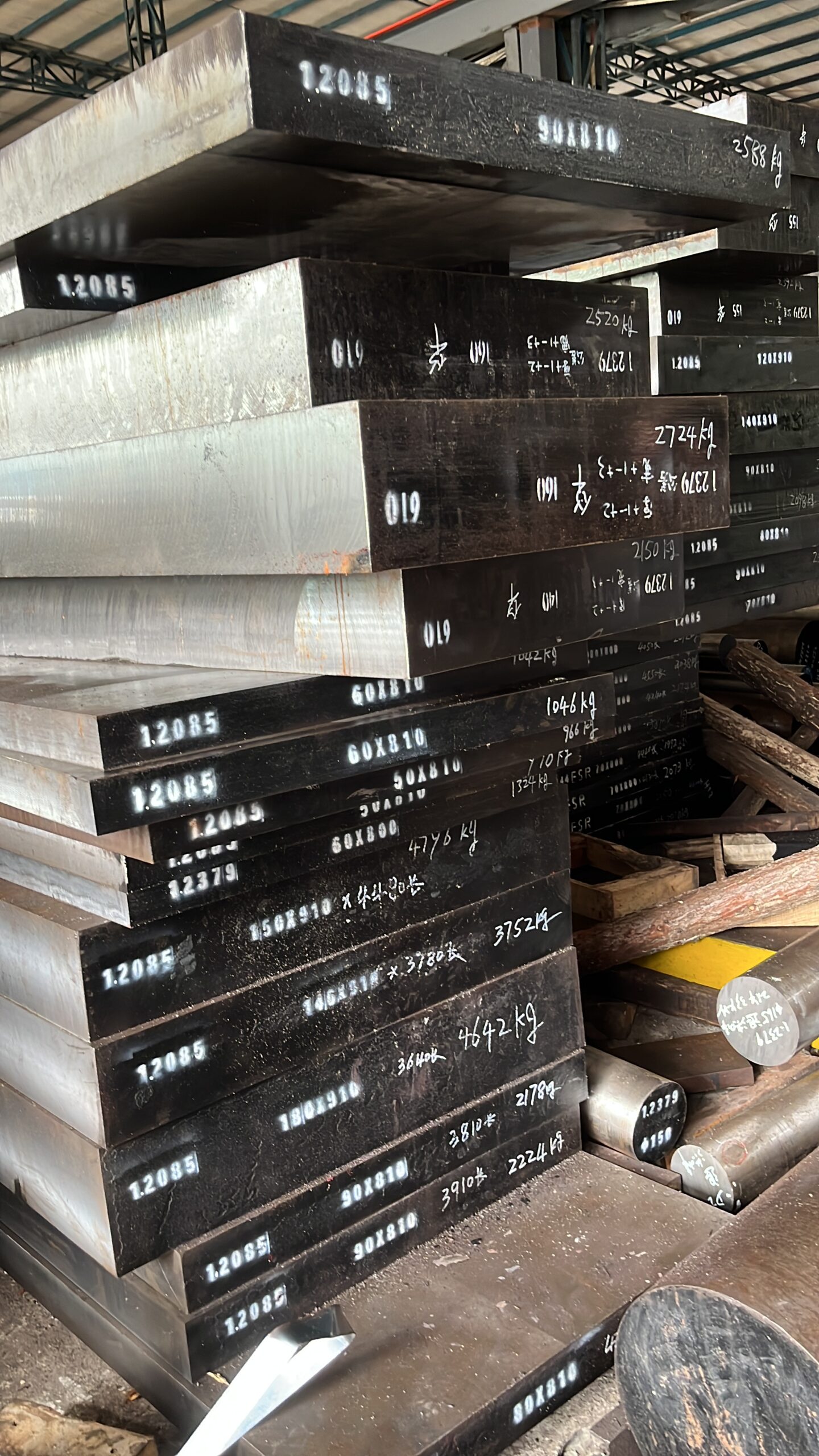
3. **How does the pricing of 1.2085 (X33CrS16) vary?**1.2085 flat bar
– Pricing considerations include product section, dimensions, and surface quality, and can be explored further on the www.saglammetal.com website.

4. **Can 1.2085 (X33CrS16) steel be used in the medical industry?**
– Absolutely, its corrosion resistance and mechanical properties make it suitable for applications in the medical industry.

5. **Is 1.2085 (X33CrS16) steel cost-effective for plastic injection molding?**
– Yes, its good machinability, mechanical strength, and toughness make it a cost-effective choice for plastic injection molding applications.

Want to know  more about the 1.2085 steel details and 1.2085 steel stock list ?

Pls contact : Joann

E-mail:joann@otaisteel.com

WhatsApp:+8613128068365
0 Continue Reading →

DIN 1.2083 Steel: Properties, Standards, and Applications

DIN 1.2083 steel, a martensitic stainless steel with a proven track record, is a front-runner in meeting the demanding requirements of hot pressing applications. Let’s delve deeper into the multifaceted aspects of this exceptional material, exploring its standards, dimensions, pricing, and more.

Stainless steel 1.2083 Standard

In the case of DIN 1.2083 steel, it is in compliance with the DIN EN ISO 4957 standard. This standard ensures that the steel meets stringent criteria, assuring users of its reliability and consistency.

1.2083 Steel Equivalents:

ISO EN 4957 ASTM A681
1.2083 / X40Cr14 420

Steel  1.2083 Chemical Composition:

C Si Mn S P  Cr
420 Min0.15 Max1.00 Max1.00 MAX0.030 MAX0.040 12.00-14.00
1.2083 0.36-0.42 Max1.00 Max1.00 MAX0.030 MAX0.030 12.50-14.50
Delving into the molecular makeup of DIN1.2083 unveils a precision-engineered alloy. Composed primarily of chromium, carbon, manganese, and molybdenum, this steel exhibits a well-balanced composition. The exact proportions contribute to its exceptional hardness, corrosion resistance, and machinability.

1.2083 Technical Information:

Density in kg/dm3 7,80
Young’s modulus (103 MPa) 200
Thermal conductivity at 20°C in W/(m K) 17,0
Specific heat capacity at 20°C in J/(kg K) 460

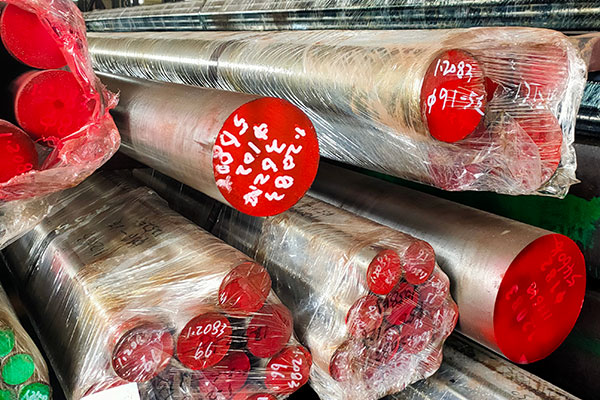
1.2083-round-barDIN1.2083 Heat Treatment:

  • Annealed:
    Under protective conditions, heat to 780°C and then cool to 650°C in the furnace at a rate of 10°C per hour, and then cool in the air.
  • Stress relief:
    After rough machining, it must be heated to 650°C, soaked for 2 hours, slowly cooled to 500°C, and then cooled in the air.
  • Hardening:
    Preheating temperature: 600-850℃
    Quenching temperature: 980-1050℃

1.2083 mold steel delivery status:

  • Soft annealing hardness: 210-241HB;
  • Quenching and Tempring (QT) hardness: 30-35HRC;
  • Quenching hardness: 48-55HRC.

Material Properties:

  1. Mechanical Strength and Toughness:
The stainless steel 1.2083  variant boasts robust mechanical strength and toughness, ensuring optimal performance under high-pressure hot pressing conditions.
  1. Corrosion Resistance:
With its martensitic structure, this steel exhibits excellent resistance to corrosion, making it an ideal choice for components exposed to corrosive plastics and abrasive elements.
  1. Machinability:
The inclusion of sulfur enhances machinability, facilitating the precise manufacturing of intricate components crucial in molding applications.
  1. Humid Atmosphere Compatibility:
Designed to withstand humid atmospheres and condensate, 1.2083 steel guarantees stability and longevity in challenging environmental conditions.
  1. Wear and Corrosion Resistance:
Tailored for high wear resistance, this steel excels in prolonged use within aggressive molding environments, ensuring longevity and reliability.
  1. Dimensional Stability:
Throughout the heat treatment process, 1.2083 maintains dimensional stability, a critical factor in achieving consistency in the final product’s size and shape.

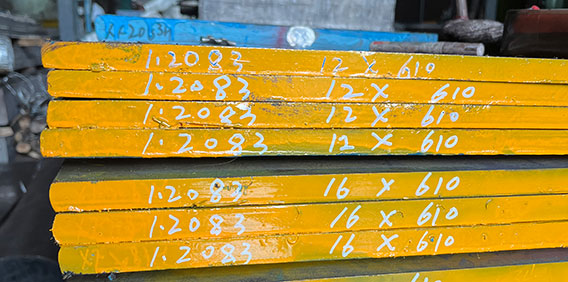
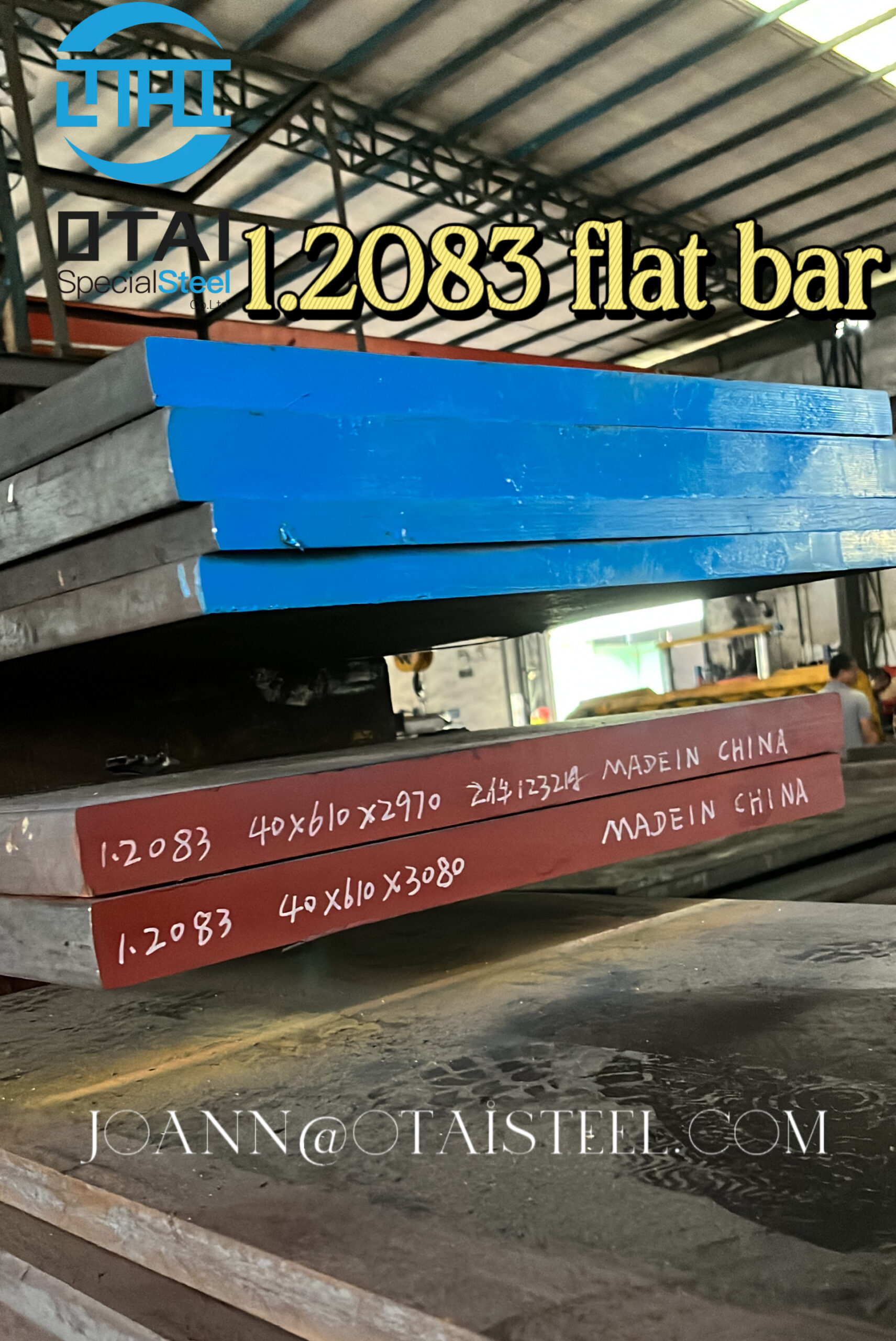
1.2083  Steel Applications:1.2083 steel flat bar

1.2083 steel finds its niche in molding applications, particularly in the manufacturing of molds and mold-holders for the plastics industry. Its unique combination of corrosion resistance, wear resistance, and machinability positions it as a top choice for professionals seeking superior performance in molding components, especially for materials like PVC.

1.2083 Steel Size and Customization:

1.2083 steel is available in diverse sizes, accommodating thicknesses up to 500 mm. This versatility allows for customization, meeting specific dimensional requirements for a wide range of molding applications.
Otai special steel supply DIN 1.2083 steel round bar  diameter from 8mm to 500mm ,1.2083 steel flat bar thickness from 6mm to 500mm .And specific size can be customrized according customer’s request.

1.2083  Steel Price and Cost-effectiveness:

While pricing may vary based on factors such as size, quantity, and supplier, 1.2083 steel is renowned for its cost-effectiveness, offering a favorable balance between performance and affordability in the competitive molding industry.

Conclusion:

In the intricate world of plastics molding, steel 1.2083  emerges as a reliable cornerstone, embodying a blend of mechanical prowess, corrosion resistance, and machinability. As an industry-standard choice, its adherence to global standards, availability in various sizes, and cost-effectiveness position it as a go-to material for molding professionals seeking excellence in their craft. Whether you are molding intricate PVC components or tackling other challenging applications, 1.2083 steel stands as a testament to mastering molding excellence.

1.2083 flat bar Frequently Asked Questions (FAQs)

  • Is 1.2083 material suitable for high-precision molds?

Absolutely, 1.2083 material’s exceptional hardness and dimensional stability make it an excellent choice for crafting high-precision molds.

    •  How does 1.2083 steel compare to other stainless steel alloys? 

      While it shares similarities with AISI 420 stainless steel, 1.2083 boasts its own unique combination of properties, making it well-suited for specific applications.

  • Can 1.2083 material be used for medical instruments?

Certainly, the corrosion resistance and dimensional stability of 1.2083 steel make it an excellent choice for crafting high-quality medical instruments.

  • Where can I find reliable suppliers of 1.2083 material?

Reputable suppliers in the metallurgical industry can provide accurate quotes and ensure the quality and authenticity of 1.2083 steel. Otai special stel supply 1.2083 steel more than 10 years,and stock 1.2083 steel round bar more than 1000tons.

Want to know  more about the 1.2083 steel details and 1.2083 steel stock list ?

Pls contact : Joann

E-mail:joann@otaisteel.com

WhatsApp:+8613128068365

0 Continue Reading →

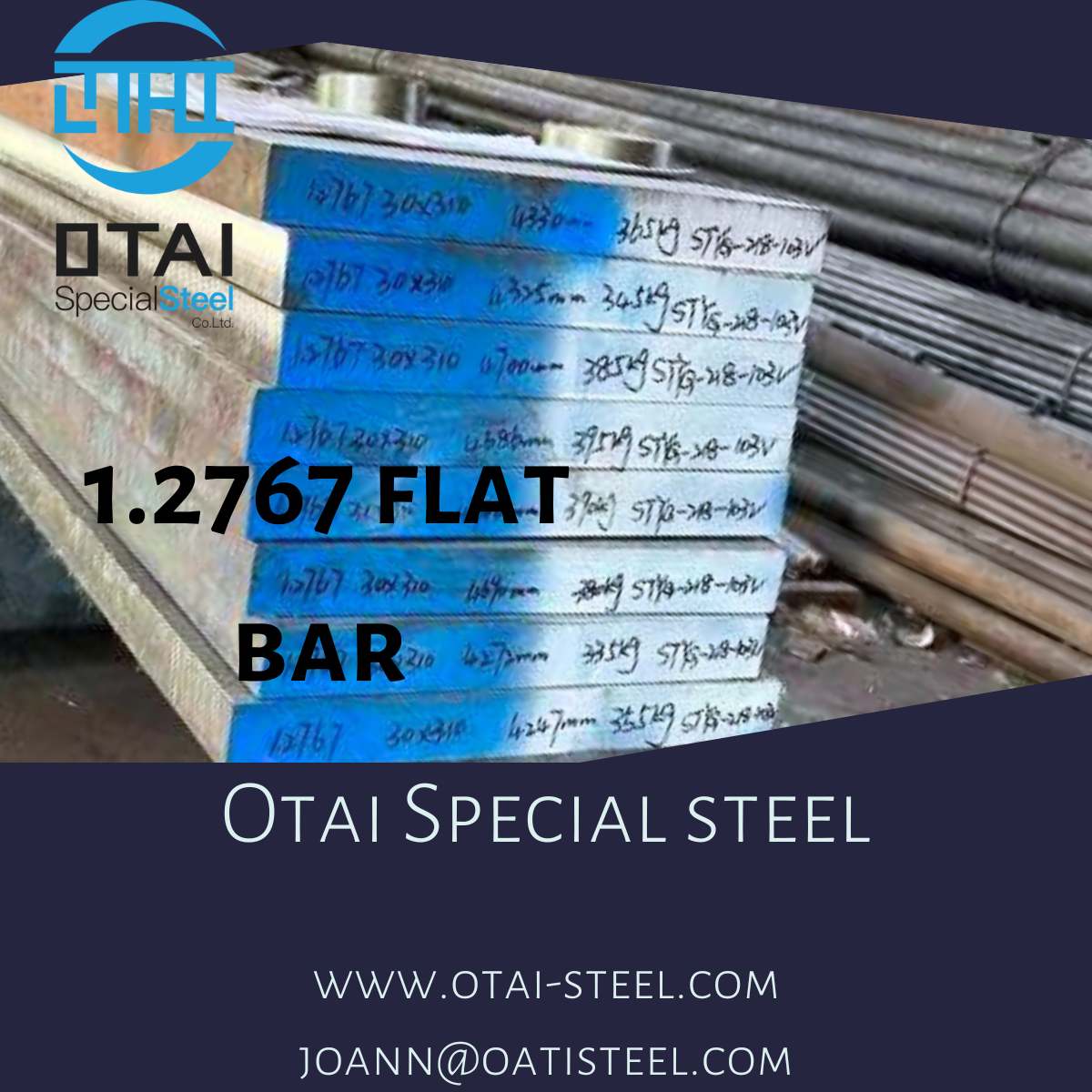
1.2767 (45NiCrMo16)steel: Unveiling the Secrets of 1.2767

1.2767 also known as 45NiCrMo16, belongs to BS EN ISO 4957 standard cold work tool steel. This steel has high wear resistance and toughness, and good hardenability. Suitable for heavy-duty imprinting molds, forming molds, heavy-duty cold work tools, shearing tools, etc.  In this post, we will delve into the intricacies of 1.2767 steel, exploring its characteristics, applications, and why it stands out among its counterparts.

Unveiling the Composition of 1.2767 Steel

At the heart of 1.2767  lies a carefully crafted composition that imparts unique qualities to this alloy.

The special chemical composition caurse it hardness max 285HB after annealed, it higher than other tool steels.

Grade C Si Mn S P  Cr Mo Ni
1.2767 0.40-0.50 0.10-0.40 0.20-0.50 ≤0.030 ≤0.030 1.20-1.50 0.15-0.35 3.80-4.30

The Robust Nature of 1.2767 Steel: Toughness Redefined

Toughness is a crucial aspect of any steel alloy, and 1.2767  takes it a step further. The inherent toughness of this alloy makes it particularly well-suited for applications that require resistance to impact and heavy loads. Industries ranging from manufacturing to construction have embraced 1.2767  for its ability to withstand challenging environments, ensuring longevity and reliability in performance.

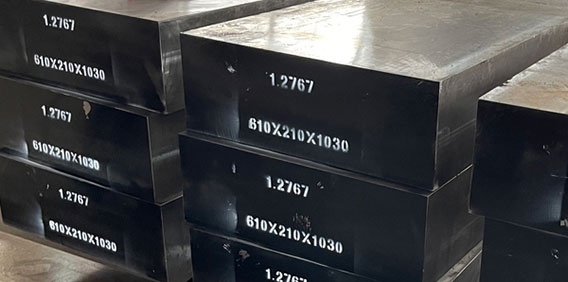
DIN--1.2767-steel--MILLED-PLATEApplications

The versatility of 1.2767  extends to its wide array of applications across diverse industries. In the realm of tool and die making, this steel variant is a popular choice for its ability to maintain its hardness even at elevated temperatures. Additionally, industries involved in the production of heavy-duty components, such as punches, dies, and forming tools, have found a reliable ally in 1.2767 steel.

Machinability Matters: 1.2767 Steel in the Workshop

Efficiency in machining is a priority for manufacturers, and 1.2767  doesn’t disappoint. The alloy exhibits commendable machinability, allowing for intricate designs and precise tooling. This quality makes it a favorite in workshops where precision is paramount, contributing to the seamless production of components across various sectors.

Unlocking the Heat Treatment Potential

One of the standout features of 1.2767  is its response to heat treatment. The alloy can be subjected to different heat treatment processes, including annealing and quenching, to enhance specific properties. This adaptability makes it a versatile choice for applications where tailored material characteristics are essential for optimal performance.

1.2767 Steel in the Modern Industrial Landscape: Meeting Standards and Beyond

As industries evolve, so do the standards that govern them. 1.2767 aligns with and often exceeds industry standards, ensuring that it meets the stringent requirements of modern applications. Whether in the automotive sector, aerospace industry, or general manufacturing, this steel variant continues to prove its mettle, consistently outperforming expectations.

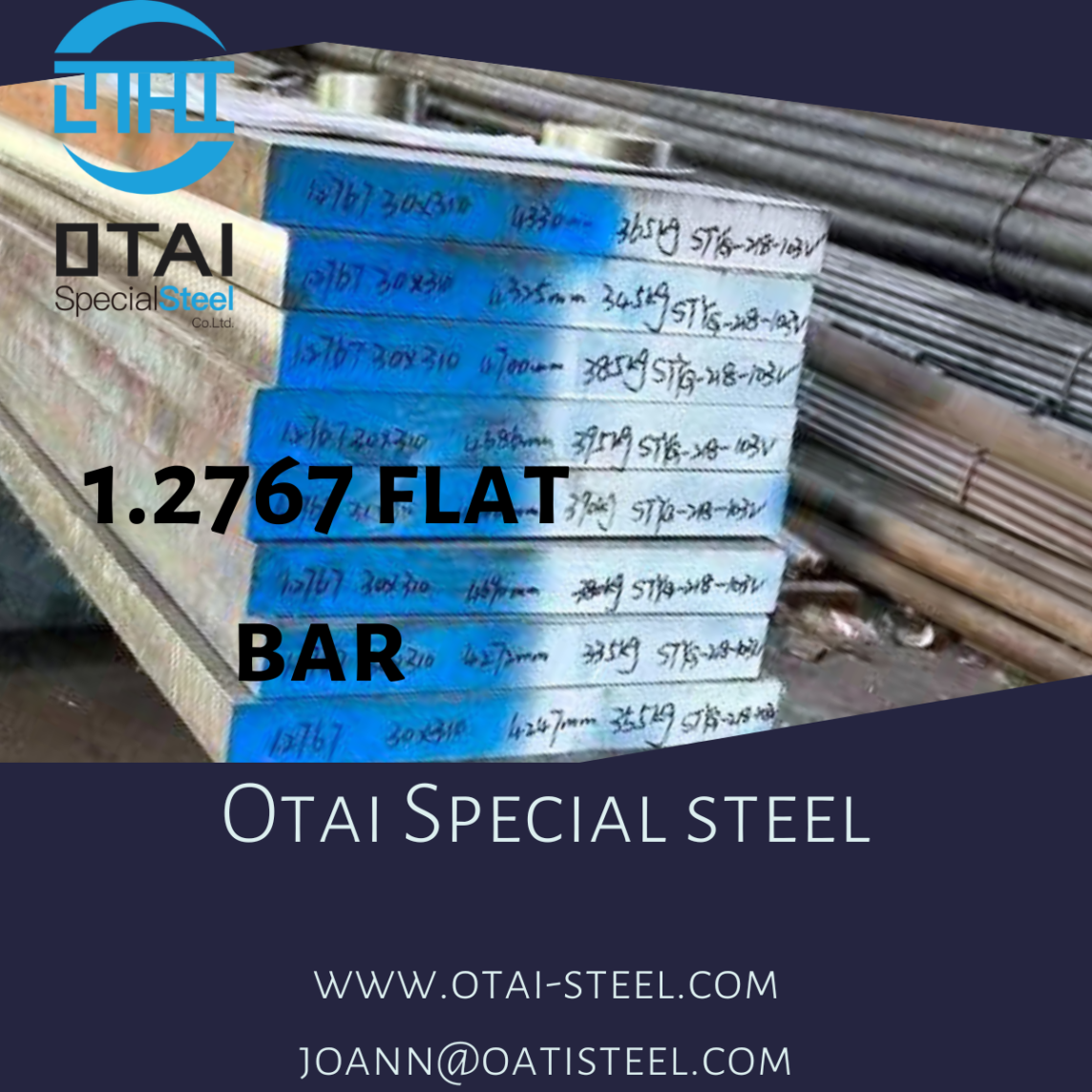
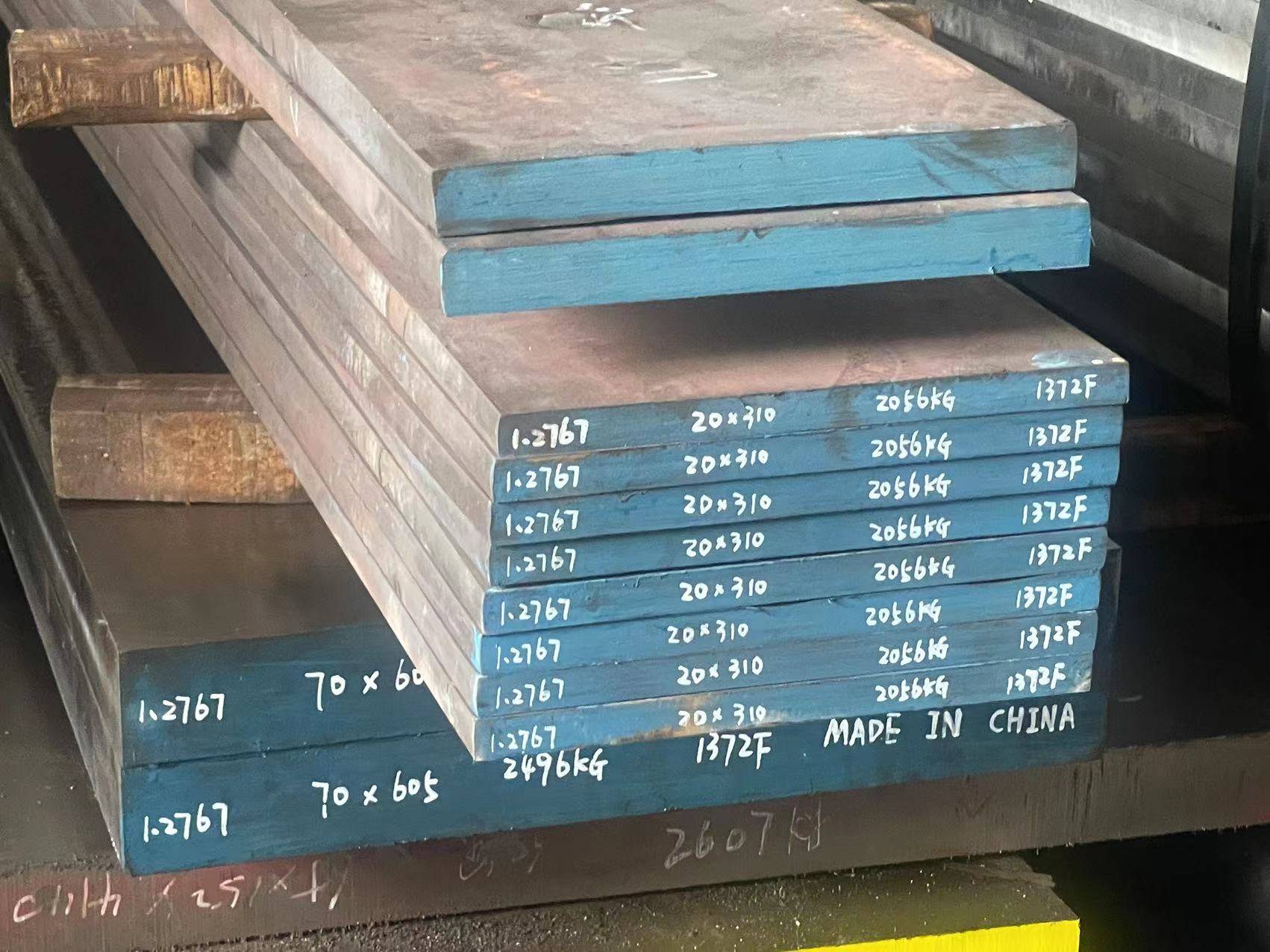
Navigating the Corrosion Resistance: A Key Advantage1.2767 flat bar

Corrosion can be a silent adversary, gradually eroding the integrity of materials. In the case of 1.2767 , its inherent corrosion resistance adds a layer of durability. This quality extends the lifespan of components made from this alloy, making it a reliable choice for outdoor applications and environments prone to moisture and other corrosive elements.

The Economic Edge: Long-Term Viability of 1.2767 Steel

Beyond its technical attributes, 1.2767  offers an economic advantage to industries. The longevity of components made from this alloy translates to reduced maintenance costs and increased operational efficiency. As businesses seek sustainable solutions, the long-term viability of 1.2767 steel positions it as a strategic choice for those looking to optimize both performance and cost-effectiveness.

Conclusion: Embracing the Strength of 1.2767 Steel

In conclusion, 1.2767 emerges as a stalwart in the world of steel alloys, showcasing a balance of toughness, machinability, and corrosion resistance. Its applications span across industries, contributing to the seamless functioning of machinery and tools in diverse settings. As we navigate the dynamic landscape of materials engineering, 1.2767  stands tall as a reliable companion, ready to face the challenges of the modern industrial era.

Frequently Asked Questions (FAQs)

1. Can 1.2767 steel be used for high-precision components?

Yes, the machinability of 1.2767  makes it suitable for high-precision components, meeting the stringent requirements of industries where precision is paramount.

2. How does 1.2767 steel compare to other tool steels in terms of toughness?

1.2767  exhibits excellent toughness, making it comparable and often superior to other tool steels, especially in applications requiring resistance to impact and heavy loads.

3. What is the recommended heat treatment process for 1.2767 steel?

The heat treatment process for 1.2767  can vary based on the desired properties, but commonly includes annealing and quenching to achieve the optimal balance of hardness and toughness.

4. Is 1.2767 steel cost-effective in the long run for industrial applications?

Yes, the economic edge of 1.2767  lies in its long-term viability, contributing to reduced maintenance costs and increased operational efficiency, making it a cost-effective choice for industries.

5. Can 1.2767 steel be used in outdoor applications prone to corrosion?

Certainly, the corrosion resistance of 1.2767  makes it suitable for outdoor applications where exposure to moisture and other corrosive elements is a concern.


Want to know more about the details ?

Pls contact : Joann

E-mail:joann@otaisteel.com

WhatsApp:+8613128068365

0 Continue Reading →

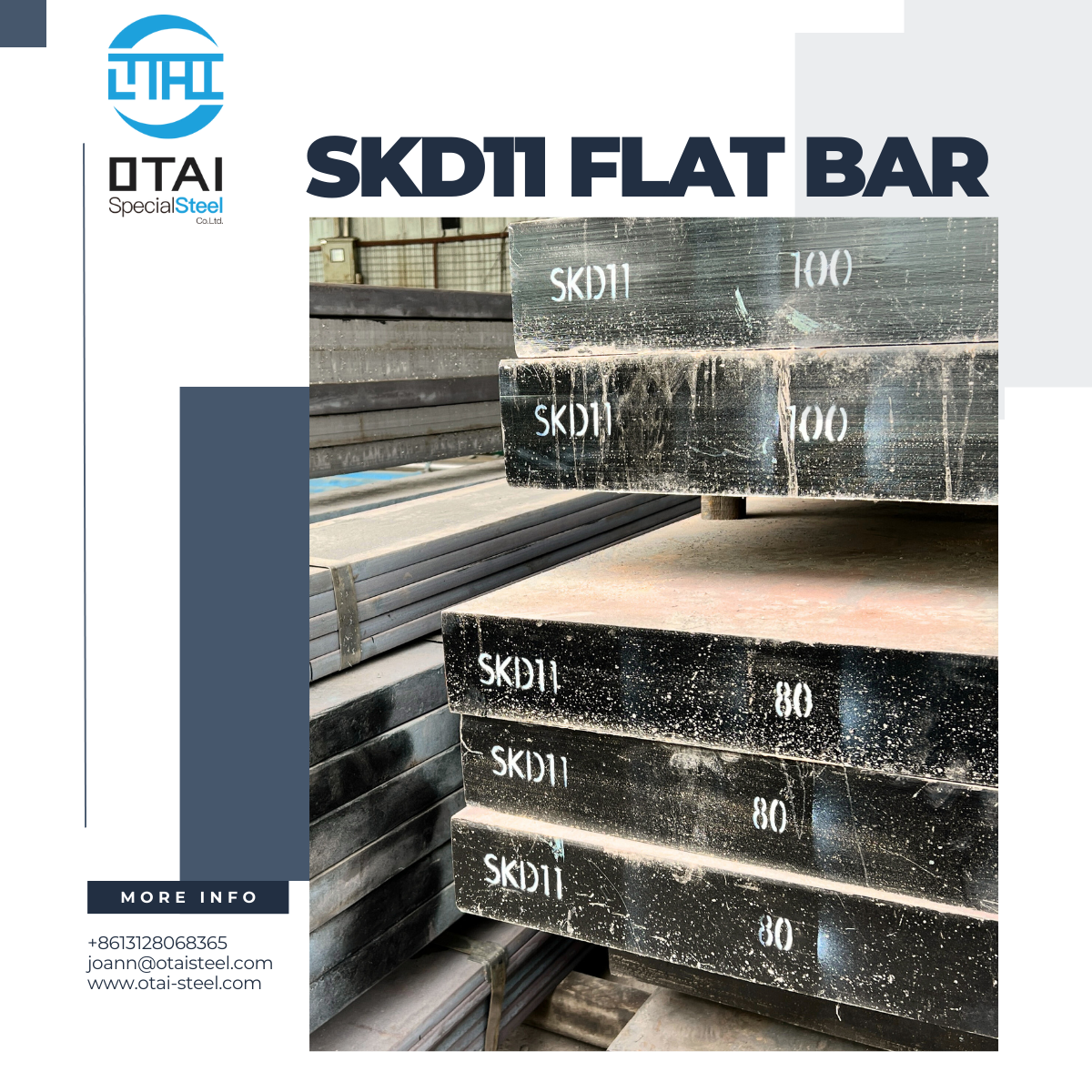
The Secrets of SKD11 Steel: A Comprehensive Guide

SKD11 steel  is a high-carbon, high-chromium alloy steel that falls under the cold work tool steel category. It also know as 1.2379 and D2.This steel variant has garnered attention for its unique properties and diverse applications across various industries. In this detailed exploration, we will unravel the mysteries surrounding SKD11 , understanding its composition, characteristics, applications, and much more.

The Composition That Sets SKD11 Steel Apart

One of the a characteristic of SKD11 steel is its high chromium content, it’s contributes to the steel’s hardenability and corrosion resistance. And molybdenum enhances toughness and strength, while vanadium refines grain structure, improve the wear resistance.

C Si Mn S P  Cr Mo  Ni  V
SKD11 1.40-1.60 ≤0.40 ≤0.60 ≤0.030 ≤0.030 11.00-13.00 0.80-1.2 / 0.20-0.50

Applications about SKD11 Steel

The versatility of SKD11 steel makes it a sought-after material in various industries. Its primary use lies in the production of cold work tools such as punches, dies, and knives. The steel’s ability to maintain hardness at elevated temperatures makes it suitable for applications in the manufacturing and metalworking sectors. Additionally, SKD11 finds its place in plastic molding, where its wear resistance proves invaluable.

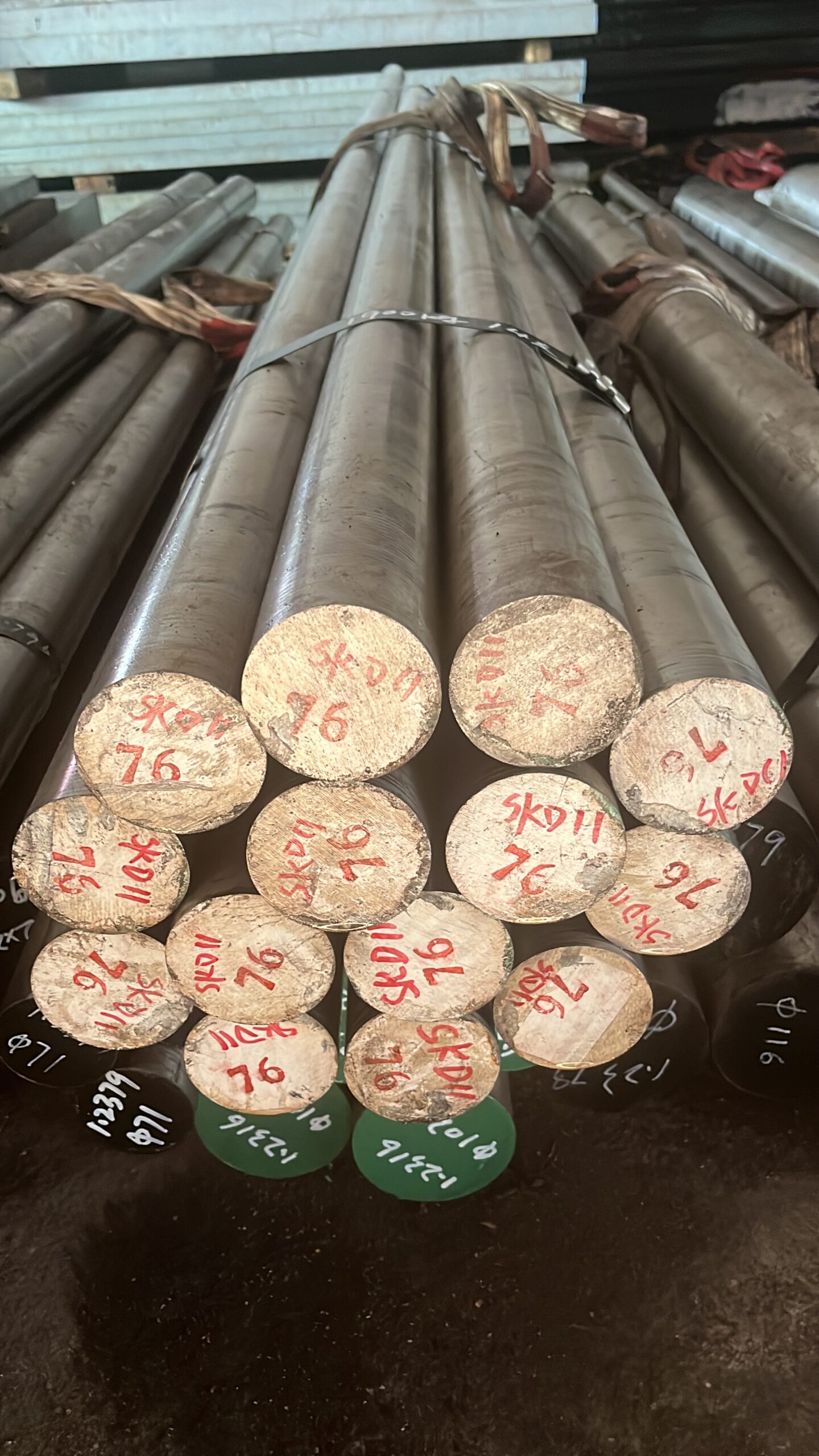
SKD11 round barMachinability and Heat Treatment about SKD11 Steel
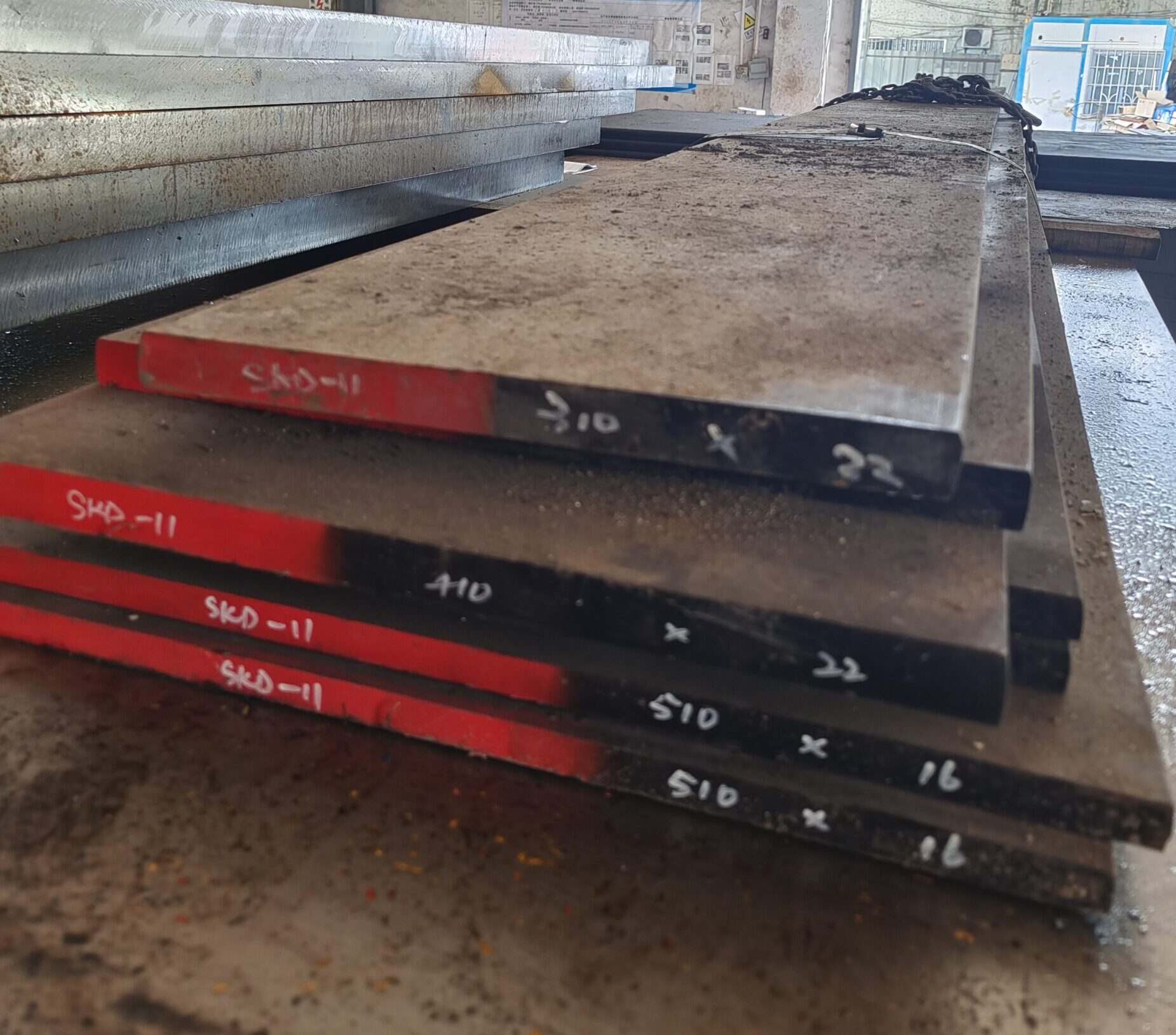
Machining SKD11 steel requires expertise due to its high hardness. However, the payoff is substantial, as the steel can achieve a sharp cutting edge, crucial for precision tools. Heat treatment plays a pivotal role in optimizing the properties of SKD11. Annealing, tempering, and quenching are common processes employed to achieve the desired balance of hardness and toughness.

The Durability Factor: Hardness and Wear Resistance

One of the standout characteristics of SKD11 steel is its impressive hardness. Through proper heat treatment, this steel can reach hardness levels that make it suitable for cutting and forming applications. Moreover, its exceptional wear resistance ensures a prolonged lifespan for tools made from SKD11, reducing the frequency of replacements and maintenance costs.

Corrosion Resistance: A Shield Against the Elements

In addition to its mechanical properties, SKD11 steel boasts commendable corrosion resistance. The high chromium content forms a protective layer on the surface, shielding the steel from the detrimental effects of corrosion. This feature is particularly advantageous in applications where exposure to harsh environments or chemicals is a concern.

Challenges and Considerations about SKD11 Steel

While SKD11  offers an array of benefits, it is essential to be aware of certain challenges. The high carbon content makes the steel susceptible to brittleness if not handled correctly during heat treatment. Proper procedures and expertise are crucial to harness the full potential of SKD11 without compromising its integrity.

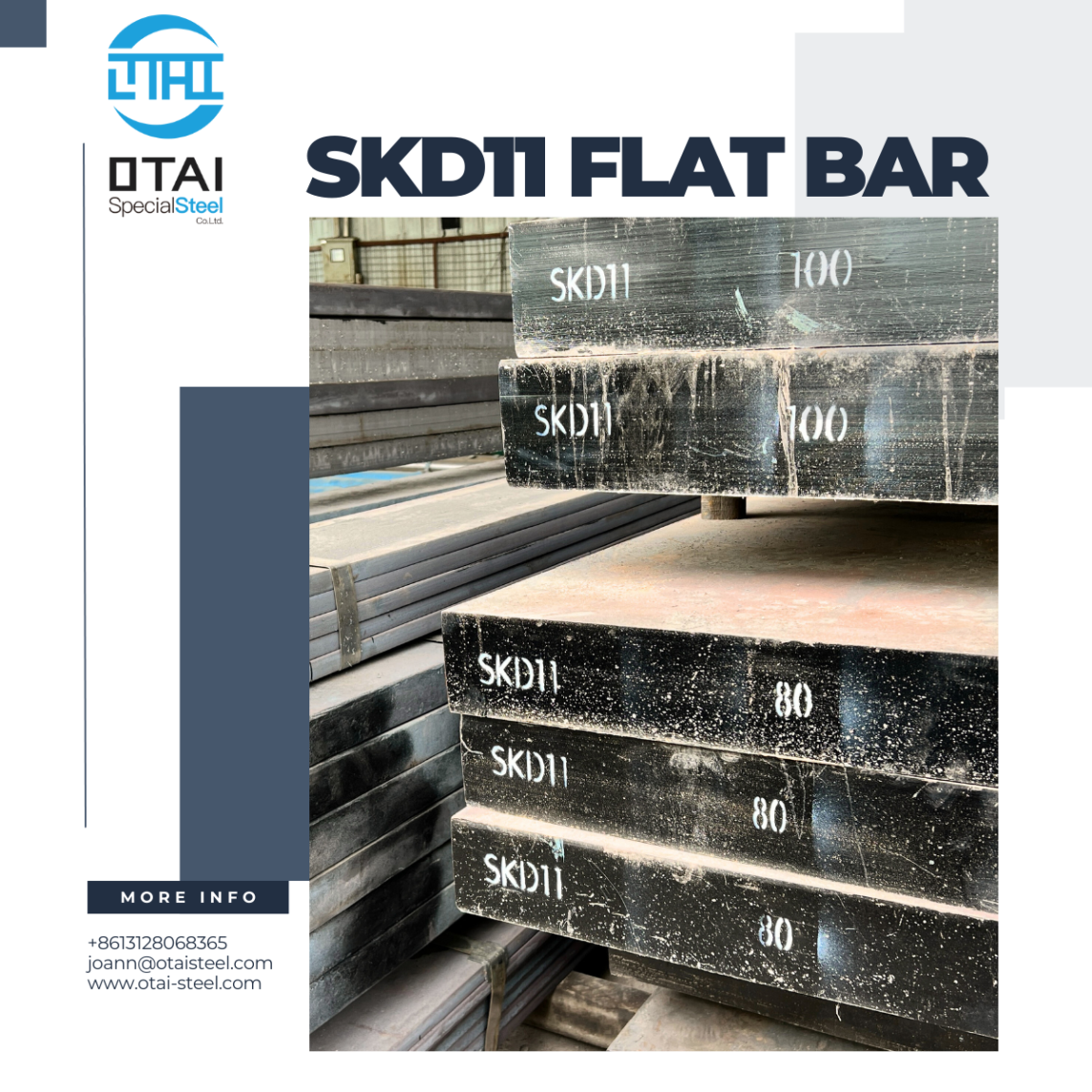
Innovations and Advancements in SKD11 SteelSKD11 FLAT BAR

As technology advances, so does the quest for improved materials. Researchers and engineers continue to explore ways to enhance the properties of SKD11  further. From refining the composition to exploring novel heat treatment methods, the goal is to push the boundaries of what this remarkable steel variant can achieve.

Conclusion

In conclusion, SKD11  stands as a testament to the ingenuity in metallurgy. Its unique composition, coupled with outstanding mechanical properties, positions it as a formidable player in the realm of cold work tool steels. From the manufacturing floor to plastic molding, SKD11 has proven its mettle in diverse applications. Understanding its composition, applications, and considerations is crucial for anyone seeking to leverage the full potential of this exceptional steel variant.

FAQs

Q1: Can SKD11  be used for high-speed cutting applications?
A1: While SKD11 excels in hardness and wear resistance, it is not specifically designed for high-speed cutting. Other tool steels with different compositions may be more suitable for such applications.

Q2: Is SKD11 steel prone to rusting over time?
A2: SKD11 steel exhibits good corrosion resistance due to its high chromium content. However, like any material, it is not entirely immune to rusting. Proper maintenance and care are essential to prolong its lifespan.

Q3: What industries commonly utilize SKD11 ?
A3: SKD11 steel finds widespread use in industries such as manufacturing, metalworking, and plastic molding. Its durability and wear resistance make it a preferred choice for various tooling applications.

Q4: Can SKD11 be welded easily?
A4: Welding SKD11 steel requires careful consideration due to its high carbon content. Preheating and post-weld heat treatment are often necessary to avoid issues like cracking.

Q5: How does SKD11 compare to other tool steels in terms of performance?
A5: SKD11 offers a balanced combination of hardness, wear resistance, and corrosion resistance. Its performance is competitive with other cold work tool steels, making it a popular choice in the industry.

Want to know more about the details ?

Pls contact : Joann

E-mail:joann@otaisteel.com

WhatsApp:+8613128068365


0 Continue Reading →

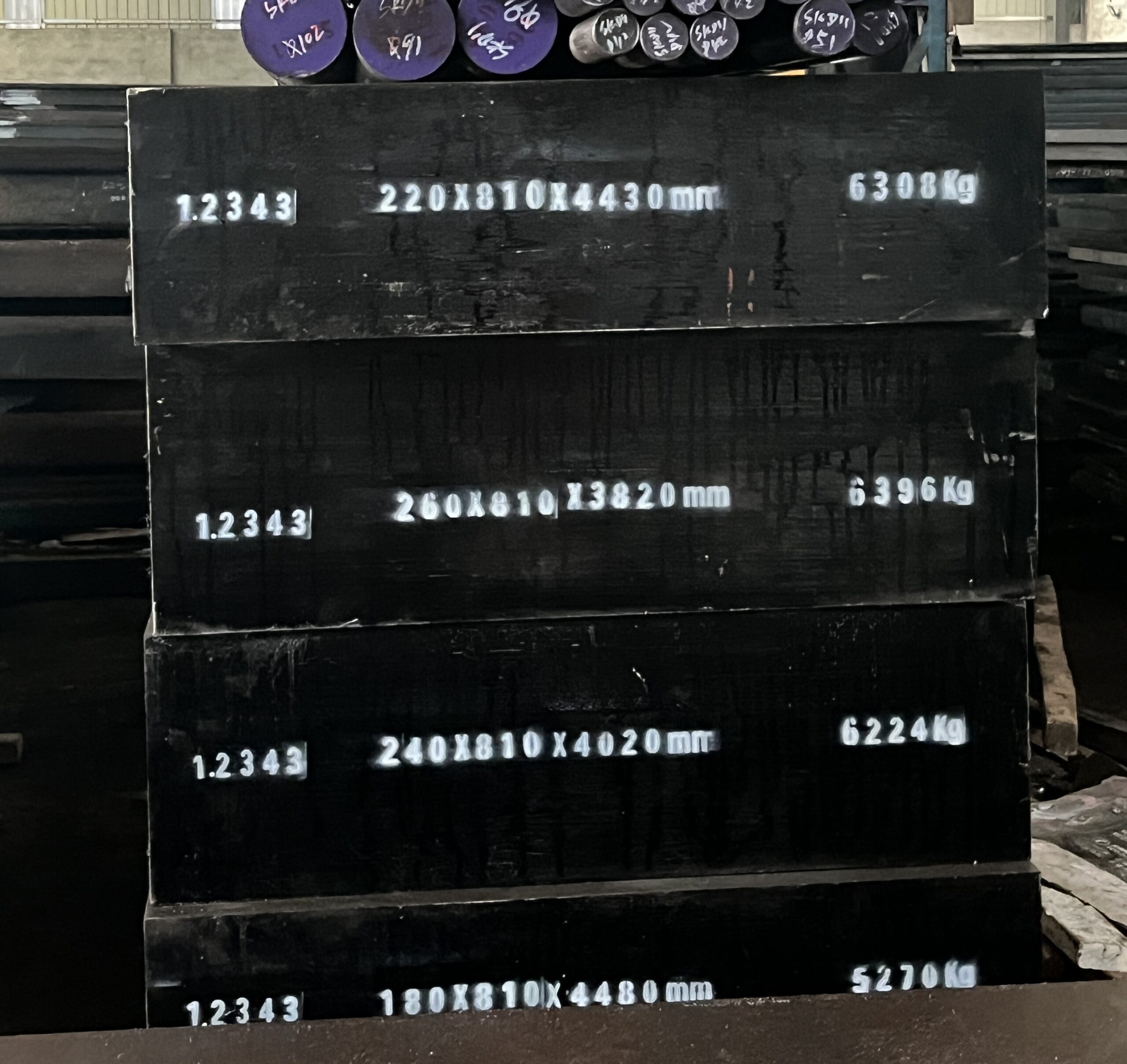
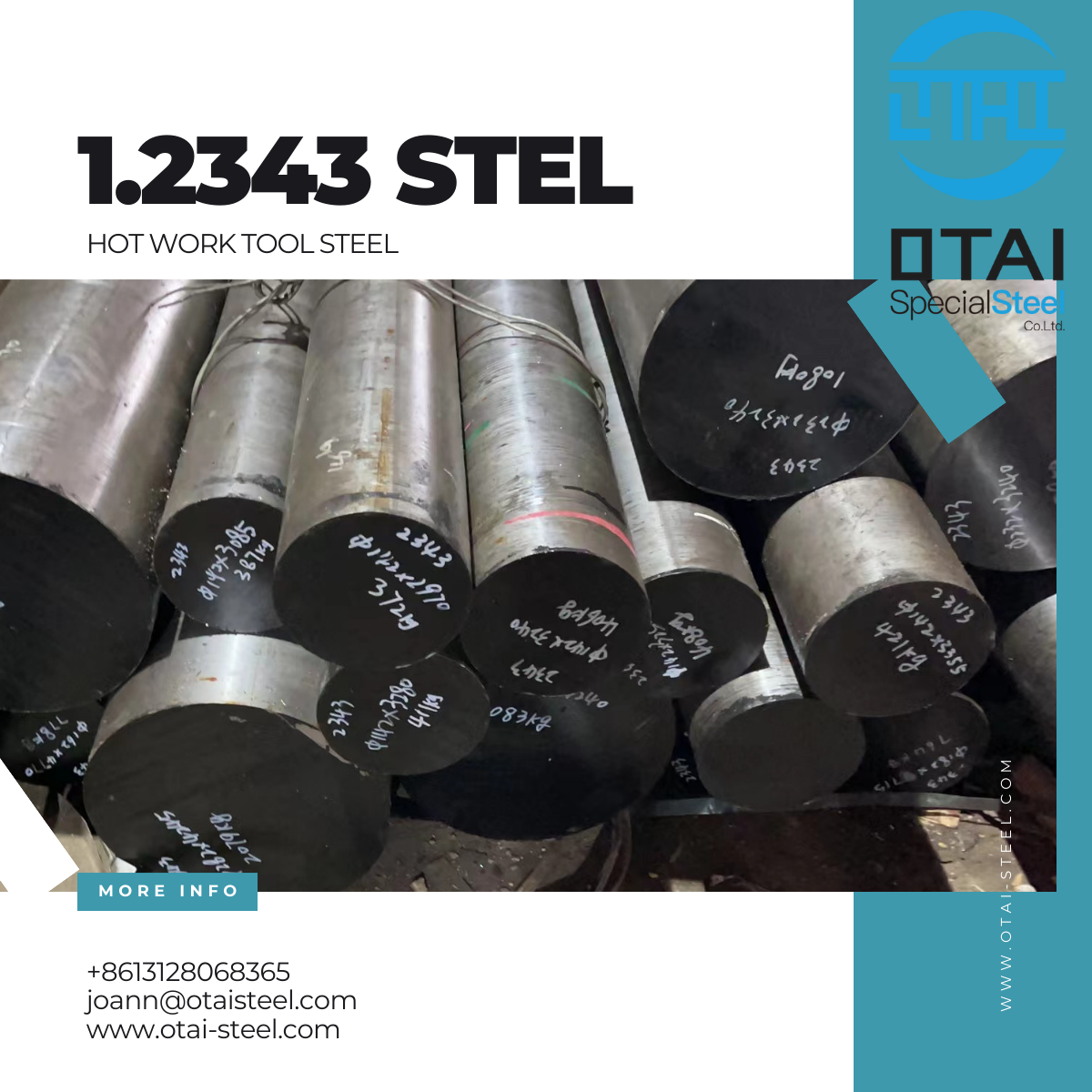
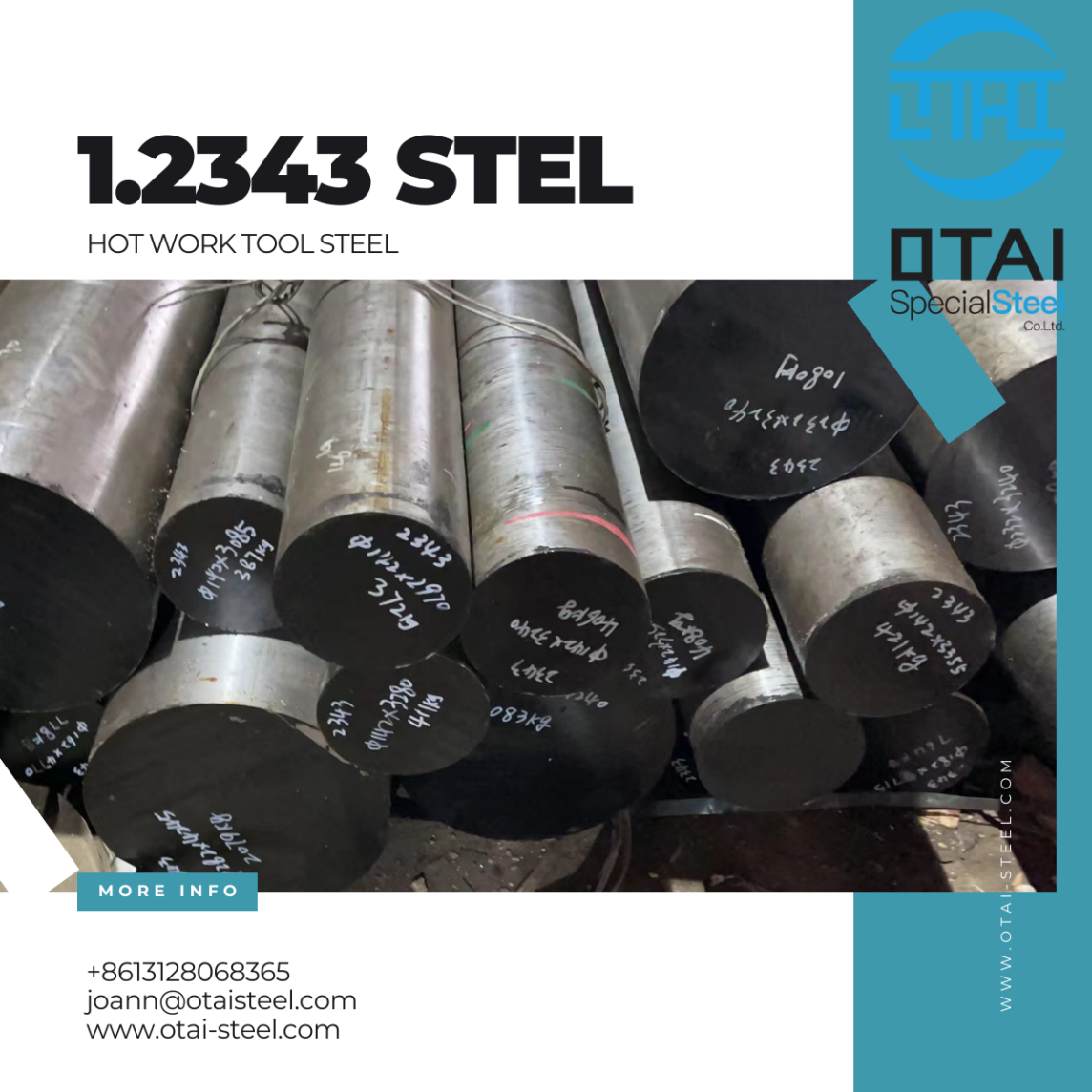
1.2343 Steel: Unveiling the Strength and Versatility

When it comes to the world of steel, the choices can be overwhelming. Various types cater to different needs, and one such remarkable steel is 1.2343. In this comprehensive guide, we’ll delve into the characteristics, applications, and advantages of 1.2343 steel, providing you with a thorough understanding of its significance in various industries.

Unveiling the Basics of 1.2343 Steel

To begin our exploration, let’s break down the fundamentals of 1.2343 . Also known as H11 steel, which is a versatile hot work tool steel . It is renowned for its exceptional heat resistance and toughness. The combination of 1.2343 steel’s chemical composition makes it a first choice in demanding applications.

Chemical Composition of 1.2343 Steel

The chemical composition plays a crucial role in determining the properties of any steel.

  C Si Mn S P  Cr Mo  Ni  V
1.2343 0.33-0.41 0.80-1.20 0.25-0.50 ≤0.030 ≤0.030 4.80-5.50 1.10-1.50 / 0.30-0.50
H11 0.33-0.43 0.80-1.25 0.20-0.60 ≤0.030 ≤0.030 4.80-5.50 1.10-1.60 / 0.30-0.60

Heat Resistance: A Defining Characteristic

One of the standout features of 1.2343  is its exceptional heat resistance. This property makes it a go-to material in applications where high temperatures are a constant challenge. The heat-resistant properties of 1.2343 ensure reliable performance even under extreme conditions such as forging, extrusion and die casting.

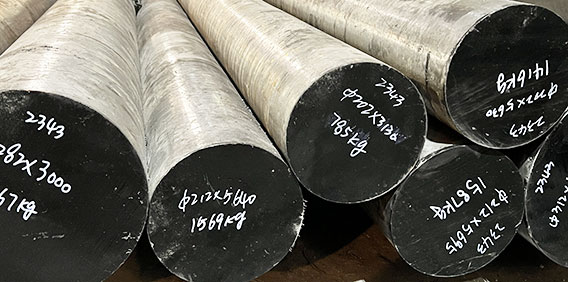
DIN-2343-TOOL-STEEL-ROUND-BAR-ESRVersatility in Applications

The versatility of 1.2343  extends across various industrial sectors. Its  hardness and toughness makes it a top choice for manufacturing tools, dies, and components subjected to intense thermal and mechanical stress. The aerospace, automotive, and manufacturing industries frequently rely on 1.2343 steel for its reliability and durability.

Machinability and Formability: A Winning Duo

Beyond its resilience to high temperatures, 1.2343  boasts excellent machinability and formability. This means that manufacturers can easily shape and manipulate the material to meet specific design requirements. The ease of machinability adds to the appeal of 1.2343 steel, making it a preferred option for intricate tooling and precision components.

Key Advantages of 1.2343 Steel

Now that we’ve touched upon the essential characteristics of 1.2343 , what’s the key advantages that contribute to its widespread application ?

  1. Durable and Long-lasting: The robust nature of 1.2343 ensures longevity, making it a cost-effective choice for applications where durability is paramount.
  2. Excellent Thermal Conductivity: The steel’s ability to conduct heat efficiently is crucial in processes involving high temperatures, contributing to enhanced performance and reliability.
  3. Resistance to Wear and Abrasion: Thanks to its composition, 1.2343 exhibits remarkable resistance to wear and abrasion, extending the lifespan of tools and components.
  4. Precision in Manufacturing: The machinability of 1.2343  allows for intricate designs and precise manufacturing, meeting the stringent requirements of modern industries.
  5. Versatility Across Industries: From aerospace to manufacturing, 1.2343’s versatility ensures its applicability in diverse sectors, catering to a wide range of industrial needs.

Applications Across Industries

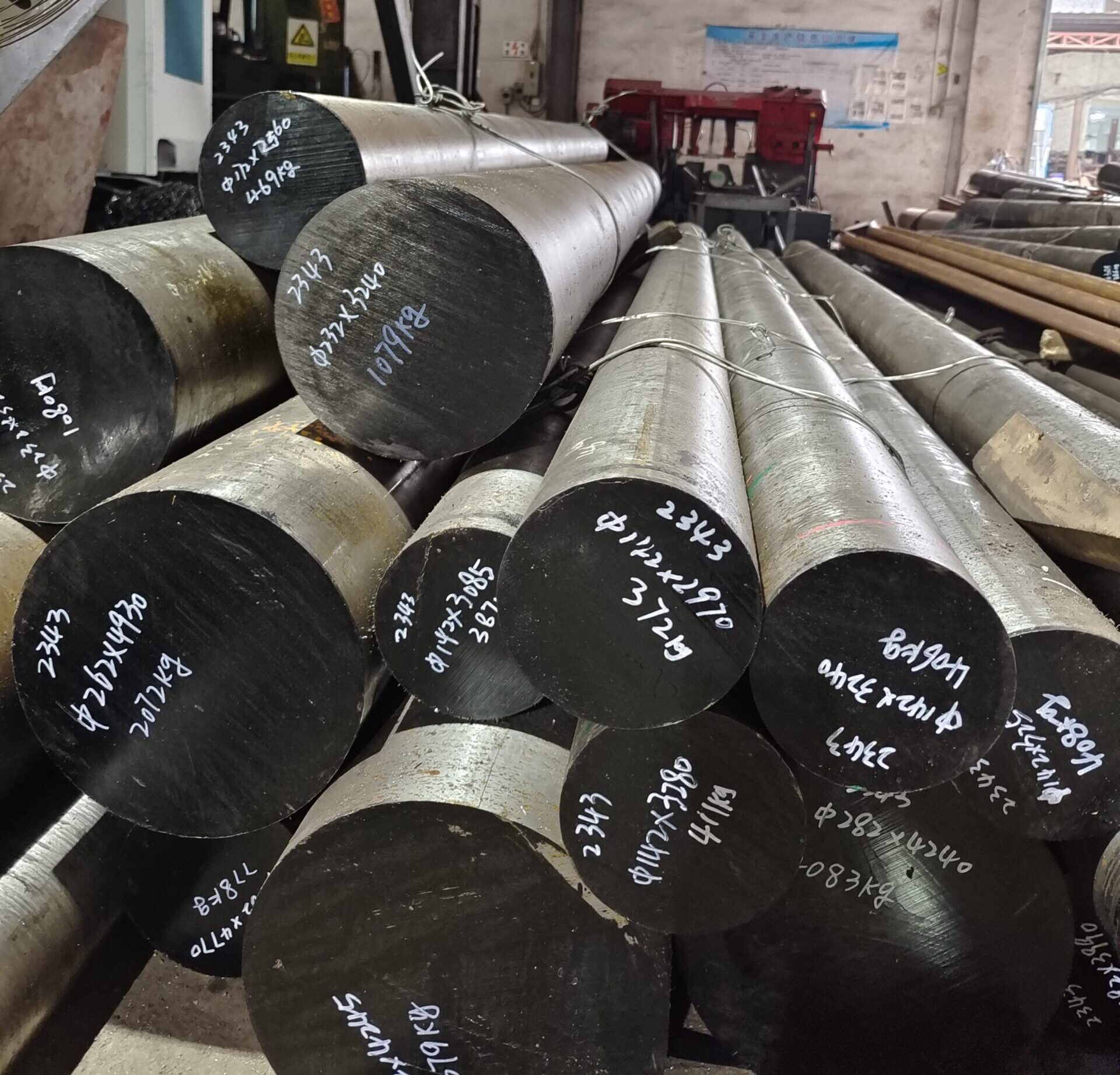
1.2343 steel round bar

The adaptability of 1.2343 steel finds expression in a myriad of applications, contributing to the seamless functioning of several industries.


  1. Die Casting: In the die casting industry, 1.2343  molds withstand the intense heat and pressure involved in shaping molten metals with exceptional precision.
  2. Forging: Forging operations benefit from the robustness of 1.2343 steel, ensuring the production of high-quality forged components that meet strict industry standards.
  3. Extrusion: The heat resistance and formability of 1.2343  make it a preferred choice in extrusion processes, where materials are shaped by forcing them through a die.
  4. Tool and Die Manufacturing: The hardness and durability of 1.2343 steel make it a staple in tool and die manufacturing, where precision and reliability are non-negotiable.

Choosing 1.2343: Factors to Consider

When selecting materials for specific applications, it’s crucial to consider various factors to ensure optimal performance. Here are some key considerations when choosing 1.2343 steel:

  1. Temperature Requirements: Assess the temperature conditions in your application to ensure that 1.2343 steel aligns with the specific heat resistance needed.
  2. Mechanical Stress: Consider the mechanical stress the material will face. The toughness of 1.2343 steel makes it suitable for applications involving substantial mechanical loads.
  3. Machinability Needs: If your project demands intricate designs and precision machining, 1.2343 steel’s excellent machinability should be a deciding factor.
  4. Longevity and Cost-effectiveness: Evaluate the lifespan and cost-effectiveness of your chosen material. The durability of 1.2343 often translates to long-term reliability and reduced replacement costs.

Conclusion

In conclusion, 1.2343  stands out as a formidable player in the world of tool steels. Its unique combination of heat resistance, machinability, and versatility positions it as a go-to choice for industries demanding high-performance materials. Whether in die casting, forging, or tool and die manufacturing, the reliability and durability of 1.2343 steel make it a valuable asset in a wide array of applications.

1.2343 steel flat barFAQs 

  1. Is 1.2343  suitable for high-precision machining?
    • Yes, the excellent machinability of 1.2343 steel makes it well-suited for high-precision machining, allowing for intricate designs and precise manufacturing.
  2. What industries commonly use 1.2343 ?
    • 1.2343  finds widespread use in industries such as aerospace, automotive, die casting, forging, and tool and die manufacturing.
  3. How does 1.2343 steel perform under high temperatures?
    • 1.2343  exhibits exceptional heat resistance, making it reliable in applications where high temperatures are a constant challenge.
  4. What are the key advantages of choosing 1.2343 for tool and die manufacturing?
    • The advantages include durability, excellent thermal conductivity, resistance to wear and abrasion, precision in manufacturing, and versatility across industries.
  5. Can 1.2343 steel withstand mechanical stress in forging operations?
    • Yes, the toughness of 1.2343 makes it well-suited to withstand the mechanical stress involved in forging operations, ensuring the production of high-quality forged components.


Want to know more about the details ?

Pls contact : Joann

E-mail:joann@otaisteel.com

WhatsApp:+8613128068365

0 Continue Reading →

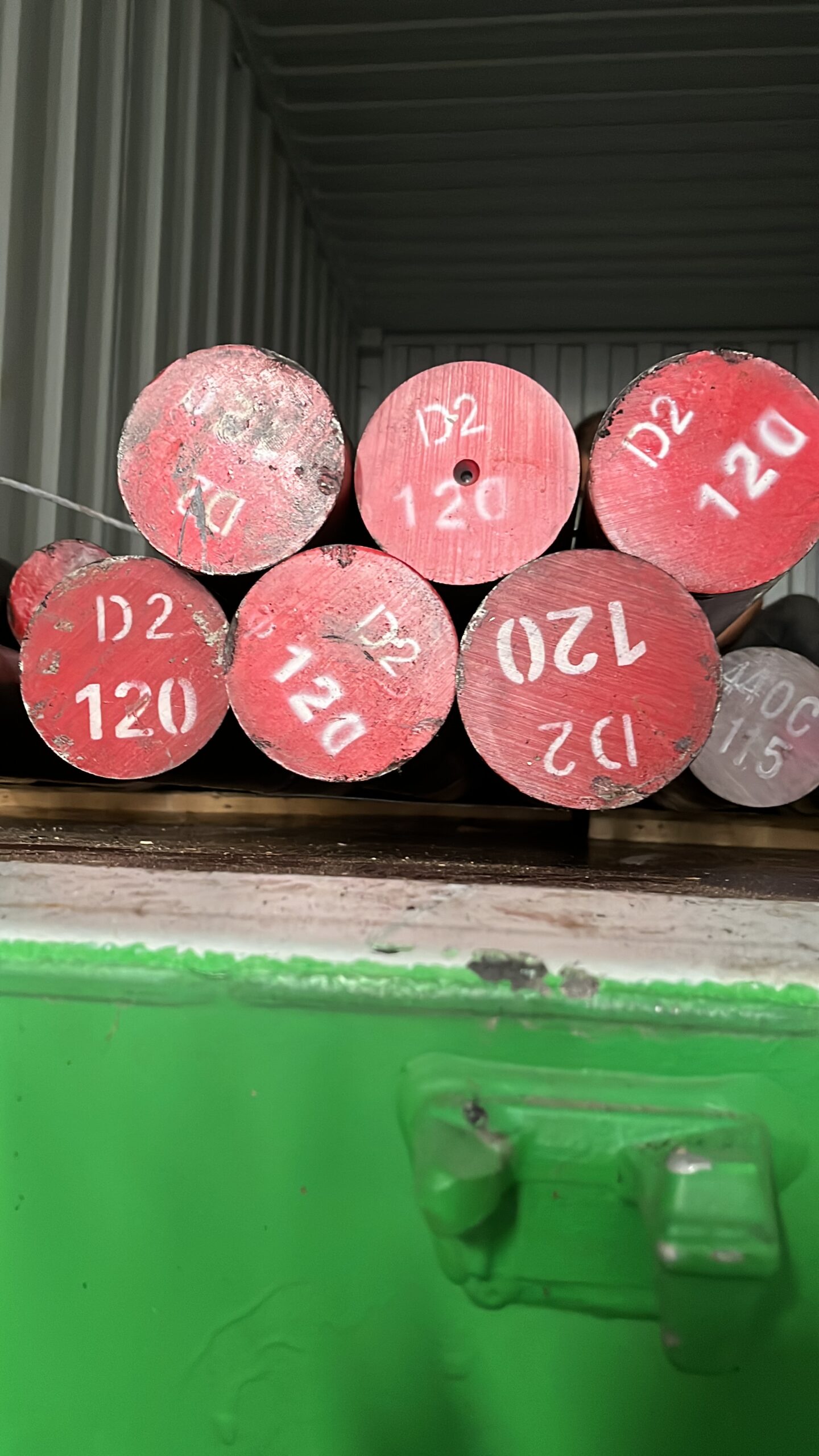
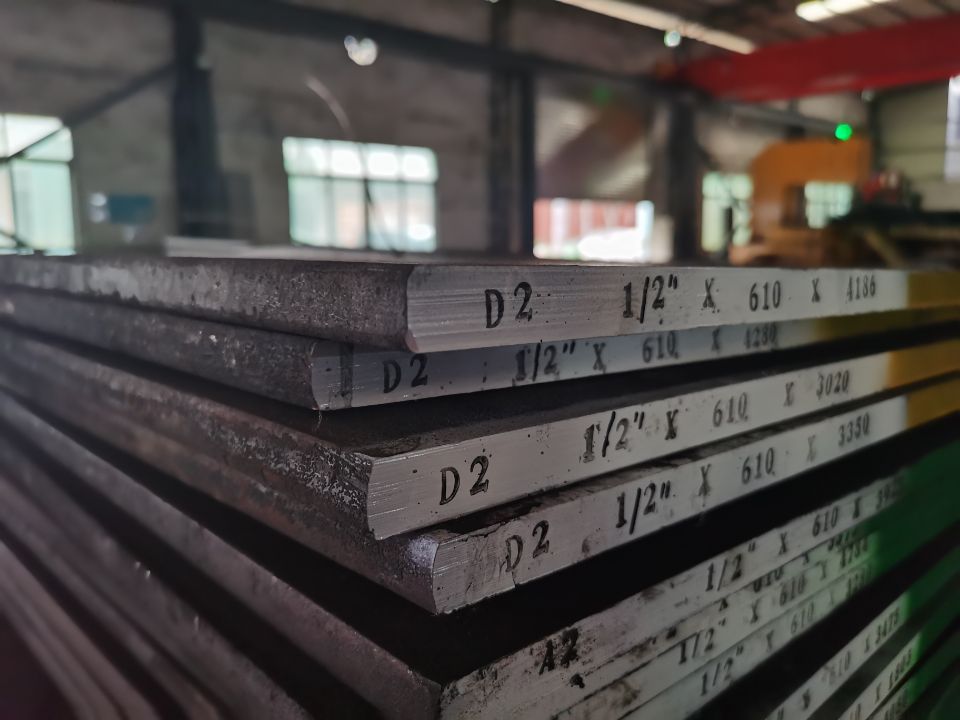
The Potential of D2 Steel: A Comprehensive Guide

If you’re into knives, tools, you may heard of D2 steel. This high-carbon, high-chromium cold work tool steel performance very well in various applications. In this artical , we’ll dive deep into the characteristics, applications, and advantages of D2 , exploring why it’s a favorite among engineers .

D2 Steel Composition

At the core of D2’s exceptional properties lies its unique composition. Comprising high levels of carbon and chromium, with additional elements like vanadium and molybdenum, D2 steel stands out for its ability to withstand extreme conditions. The precise combination of these elements creates a steel variant with remarkable hardness, corrosion resistance, and wear resistance.

Standard Grade C Si Mn S P  Cr Mo  Ni  V
ASTM A681 D2 1.40-1.60 0.10-0.60 0.1-0.6 ≤0.030 ≤0.030 11.00-13.00 0.70-1.20 / 0.50-1.10
DIN 17350 1.2379 1.45-1.60 0.10-0.60 0.20-0.60 ≤0.030 ≤0.030 11.00-13.00 0.70-1.00 / 0.70-1.00

Hardness That Sets the Standard

D2 steel is renowned for its high hardness, a key factor that contributes to its popularity in tool and knife manufacturing. With a Rockwell Hardness Scale (HRC) ranging from 55 to 62, D2 strikes an optimal balance, providing a hardened surface that retains its edge even under demanding use. This makes it an ideal choice for applications where a sharp and durable edge is crucial.

D2 round barSharper Than the Rest

One of the standout features of D2 is its ability to achieve and maintain a razor-sharp edge. The fine grain structure of this steel allows for superior sharpness, making it a preferred choice for blades that require precision cutting. Whether you’re a chef in a bustling kitchen or an outdoor enthusiast needing a reliable knife in the wild, D2 steel ensures that your cutting tool stays sharper for longer.

Corrosion Resistance: A Game-Changer

The high chromium content in D2 steel plays a pivotal role in its resistance to corrosion. This feature is particularly valuable for tools and knives that are exposed to moisture, acids, and other corrosive elements. D2’s corrosion resistance makes it a top contender for outdoor applications, where exposure to the elements is unavoidable.

Wear Resistance of D2 steel

In addition to hardness, D2 steel excels in wear resistance. This means that tools and knives made from D2 can endure prolonged use without succumbing to wear and tear. This exceptional wear resistance makes D2 a reliable choice for industrial cutting tools, punches, and other applications where longevity is paramount.

Versatility in Applications of D2 steel 

The versatility of D2 steel extends beyond the realm of knives. Its unique combination of properties makes it an excellent choice for various tools and industrial applications. From cold work tools to blanking and forming dies, D2’s robust nature ensures optimal performance in a myriad of scenarios.

D2 plateHeat Treatment: Unleashing the Full Potential
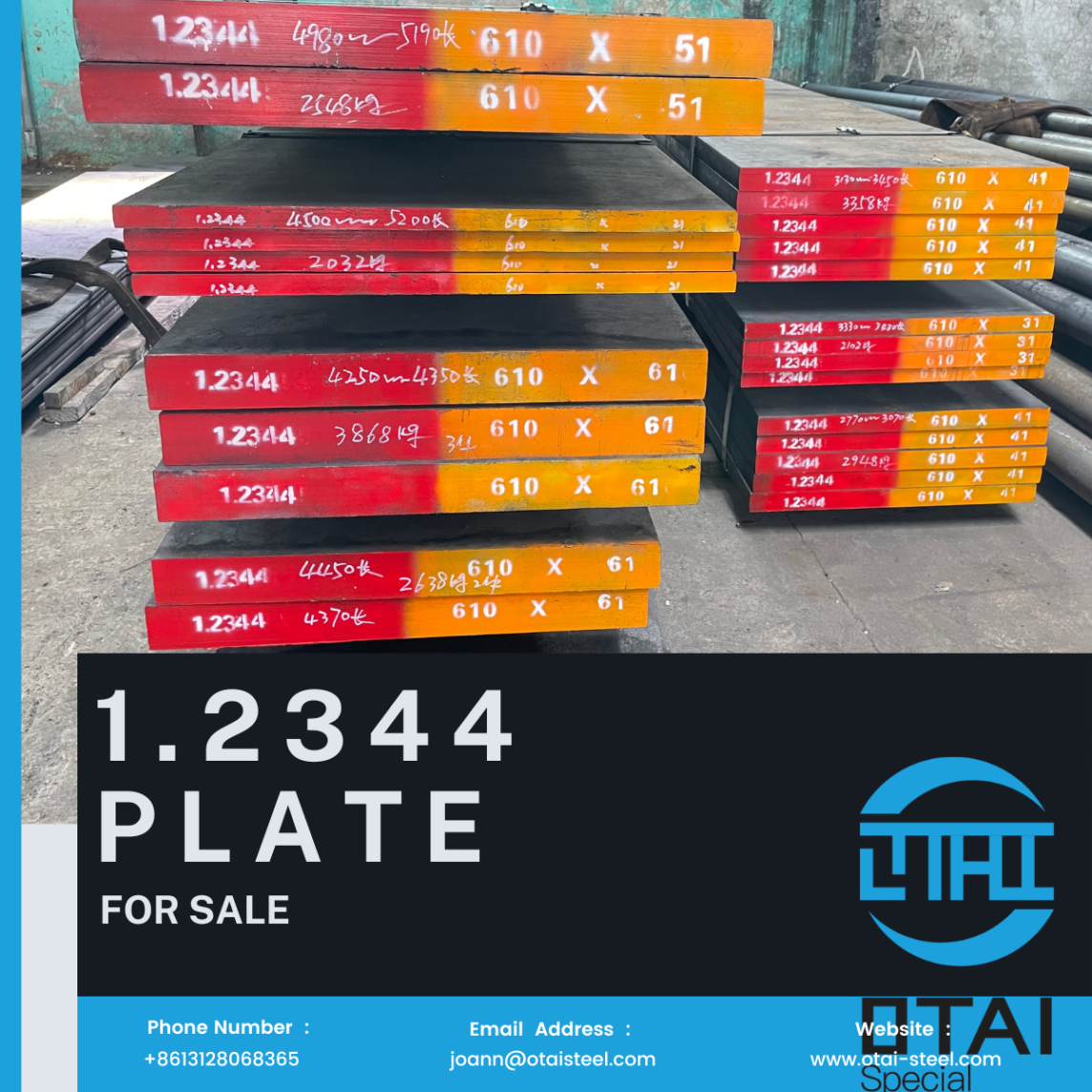
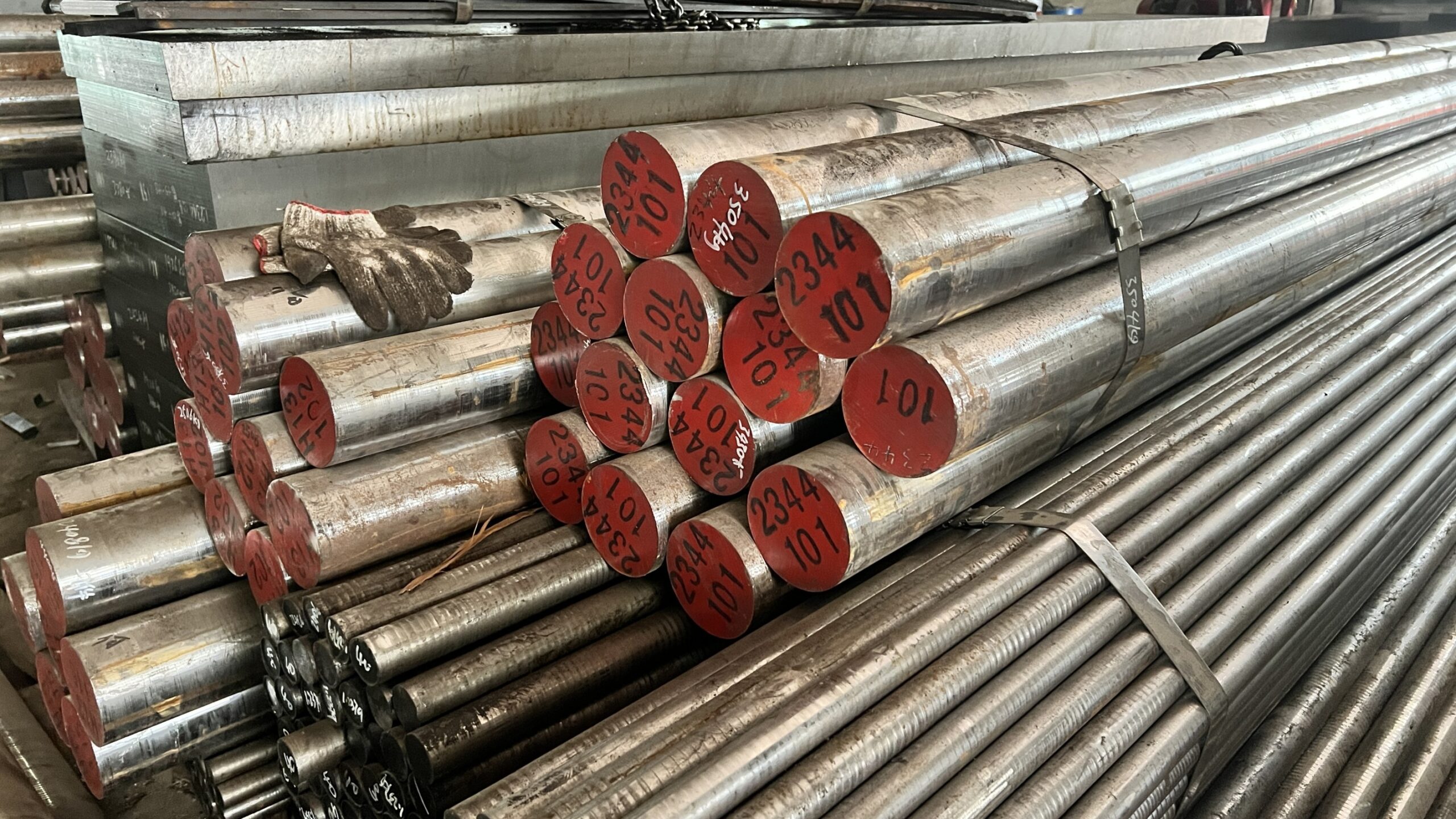
To fully harness the capabilities of D2 , proper heat treatment is essential. The heat treatment process involves carefully controlling the temperature and cooling rate to achieve the desired hardness and other mechanical properties. This critical step in the manufacturing process ensures that D2 delivers consistent and reliable performance in diverse applications.

Maintaining D2 Steel: Tips for Longevity

While D2 steel boasts exceptional durability, proper maintenance is key to maximizing its lifespan. Regular cleaning, oiling, and sharpening will help preserve the sharpness and corrosion resistance of D2  tools. While D2 boasts exceptional durability, proper maintenance is key to maximizing its lifespan. Regular cleaning, oiling, and sharpening will help preserve the sharpness and corrosion resistance of D2 steel tools. In this way , doing the these simple mainten tips into your daily using, you can enjoy the long-lasting benefits of D2 .

Conclusion

In the steel field, D2 steel stands out as a formidable paticipate, with it’s unique blend of hardness, sharpness, corrosion resistance, and wear resistance. Whether you’re a craftsman, chef, or outdoor enthusiast, the versatility of D2  makes it a reliable choice for various applications.


Want to know more about the details ?

Pls contact : Joann

E-mail:joann@otaisteel.com

WhatsApp:+8613128068365

0 Continue Reading →

1.2344 Steel: What‘s Properties, Uses, and More ?

Steel is the backbone of many industries, and within this robust material family, 1.2344 steel stands out for its exceptional properties and versatile applications. In this guide, we’ll delve into the details of 1.2344 steel, exploring its composition, characteristics, applications, and much more.

What is 1.2344 Steel?

1.2344 steel, also known as H13 tool steel, belongs to the family of chromium hot-work steels. Its composition  making it a high-performance steel variant.

Composition and Properties of 1.2344 steel

  C Si Mn S P  Cr Mo  Ni  V
1.2344 0.35-0.42 0.80-1.20 0.25-0.50 ≤0.030 ≤0.030 4.80-5.20 1.20-1.50 / 0.85-1.15

The alloying elements in 1.2344  contribute to its unique set of properties. Chromium enhances wear resistance, molybdenum improves strength at elevated temperatures, and vanadium refines grain structure, enhancing toughness.

High Hardness and Wear Resistance

1.2344 steel is renowned for its high hardness, making it suitable for applications where wear resistance is crucial. This property is vital in industries like metal forming and extrusion.

1.2344-steel-plate Excellent Toughness at High Temperatures

One of the standout features of 1.2344  is its excellent toughness even at high temperatures. This makes it ideal for hot-work applications such as die casting and forging.

 Good Heat Conductivity

The steel’s good heat conductivity ensures uniform heat distribution during processing, contributing to its reliability in various manufacturing processes.

Applications of 1.2344 steel 

Die Casting and Forging

1.2344’s exceptional toughness and high-temperature resistance make it a preferred choice for die casting and forging applications. It ensures durability and longevity in the demanding conditions of these processes.

Extrusion and Metal Forming

In industries where metal deformation is a common practice, 1.2344  shines. Its wear resistance and hardness make it a reliable material for extrusion and metal forming dies.

1.2344 steel round barTooling and Molds

Tool and mold industries benefit significantly from the properties of 1.2344 steel. Its versatility allows for the creation of robust and durable tools and molds, ensuring precision in various manufacturing processes.

Structural Components in Aerospace

Given its high strength and toughness, 1.2344  finds applications in the aerospace industry, particularly in the production of structural components subjected to extreme conditions.

Advantages

1. Versatility: Its adaptability to various manufacturing processes makes it a versatile choice in multiple industries.

2. Durability: The high hardness and wear resistance contribute to the longevity of tools and components made from 1.2344 .

3. Precision: In tooling and mold applications, the steel’s properties ensure precision in the manufacturing of intricate components.

4. High-Temperature Performance: Industries requiring materials to withstand high temperatures, such as die casting and forging, benefit from 1.2344’s exceptional performance.

Conclusion

In conclusion, 1.2344 steel stands as a stalwart in the realm of high-performance steels. Its composition, properties, and diverse applications make it a crucial player in industries ranging from metal forming to aerospace. The balance of hardness, toughness, and heat resistance positions it as a reliable choice for the most demanding applications.

1.2344 flat barFAQs

Q1: Can 1.2344  be used in high-precision applications?

A1: Yes, 1.2344 steel’s high hardness and wear resistance make it suitable for high-precision tooling and mold applications.

Q2: How does 1.2344   compare to other hot-work steels?

A2: Compared to other hot-work steels, 1.2344 steel offers a unique combination of high hardness, excellent toughness, and good heat conductivity.

Q3: What industries commonly use 1.2344  ?

A3: 1.2344 steel finds applications in die casting, forging, extrusion, metal forming, tooling, molds, and aerospace industries.

Q4: Is there a specific heat treatment process for 1.2344 ?

A4: Yes, 1.2344 steel undergoes a precise heat treatment process to optimize its mechanical properties for different applications.

Q5: Can 1.2344 withstand extreme temperatures in aerospace applications?

A5: Absolutely, the high-temperature performance of 1.2344 steel makes it a reliable choice for structural components in aerospace subjected to extreme conditions.

Want to know more about the details ?

Pls contact : Joann

E-mail:joann@otaisteel.com

WhatsApp:+8613128068365

0 Continue Reading →

H13 Steel: Unveiling the Powerhouse in Tool Steel Industry

In the world of metallurgy, H13 steel hot work tool steel stands tall as a powerhouse, revolutionizing the tool steel industry with its exceptional properties. Let’s dive into the depths of what makes H13 steel a game-changer, exploring its composition, applications, heat treatment, and why it has become a go-to choice for many industrial applications.

Understanding H13  Composition

At the heart of H13 steel’s prowess lies its impeccable composition. Comprising 1.75% nickel, 0.42% chromium, 5.3% vanadium, and 0.9% molybdenum, H13 steel is a chromium hot-work tool steel. The balanced amalgamation of these elements grants H13 steel its remarkable strength, toughness, and resistance to thermal fatigue.

C Si Mn S P  Cr Mo  Ni  V
H13 0.32-0.45 0.80-1.25 0.20-0.60 ≤0.030 ≤0.030 4.75-5.50 1.10-1.75 / 0.80-1.20

Versatility in Applications

One of the key reasons behind H13 steel’s dominance in the metallurgical arena is its versatility in applications. From forging dies and extrusion tools to plastic molds and die casting, H13 steel proves its mettle across a myriad of industrial applications. Its ability to withstand high-temperature environments makes it a top choice for applications where heat resistance and durability are paramount.

Heat Treatment: Unveiling the Secret Sauce

The magic of H13 steel doesn’t stop at its composition; it extends to the meticulous heat treatment process. Through a series of carefully calibrated heating and cooling cycles, H13  achieves a fine balance of hardness and toughness. This process not only enhances its wear resistance but also ensures that the steel can endure extreme conditions without compromising its structural integrity.

H13-steel-round-barThe Role of H13 Steel in the Automotive Industry

The automotive industry, with its stringent demands for precision and durability, has embraced H13  wholeheartedly. In the manufacturing of die casting molds for engine components and other critical parts, H13  shines, providing the reliability and longevity needed for these applications. Its exceptional thermal conductivity ensures efficient cooling during the molding process, contributing to the production of high-quality automotive components.

H13 Steel in the World of Injection Molding

Injection molding, a cornerstone in modern manufacturing, relies heavily on materials that can withstand the rigors of the process. Enter H13 , the unsung hero in the world of injection molding. Its ability to maintain structural integrity under the intense pressures and temperatures of the molding process makes it an ideal choice for producing a wide array of plastic components used in various industries.

Navigating H13 Steel in the Aerospace Sector

The aerospace industry demands materials that can withstand extreme conditions, from the scorching heat of combustion chambers to the bone-chilling cold of outer space. H13, with its exceptional heat resistance and mechanical strength, has found its niche in aerospace applications. It plays a pivotal role in the manufacturing of critical components, such as turbine blades and extrusion dies, ensuring the safety and reliability of aerospace systems.

H13 round barChallenges and Solutions in Working with H13 Steel

While H13 steel offers a plethora of advantages, working with it presents its own set of challenges. Its high hardenability can lead to cracking during quenching, requiring careful attention to the heat treatment process. However, these challenges are surmountable with proper handling and expertise. Collaborating with skilled metallurgists and employing precise heat treatment techniques can mitigate these issues, allowing manufacturers to harness the full potential of H13 .

The Sustainability Angle: H13 Steel’s Eco-Friendly Edge

As we know , the sustainability become a hot topic in every industry. H13  with a longevity and durability makes the tools and components with a longer lifespan . This not only cuts down on material waste but also contributes to a more sustainable and environmentally manufacturing process.

Conclusion

In conclusion, H13 steel stands as a testament to the continuous evolution of materials in the industrial landscape. Its  composition, and performance make it play an imnportant role in various fileds , from automotive to aerospace. H13  is not just a choice for durability and efficiency, it’s a step towards a more sustainable and eco-conscious future in manufacturing.

FAQs

1. Is H13 steel suitable for high-precision application?

– Absolutely! H13 steel’s exceptional hardness and toughness make it an ideal choice for high-precision applications such as die casting molds and extrusion tools.

H13 flat bar2. How does H13 steel contribute to environmental sustainability?

– The longevity of tools and components made from H13 steel reduces the frequency of replacements, leading to less material waste and a more sustainable manufacturing process.

3. Can H13 steel withstand extreme temperatures in aerospace applications?

– Yes, H13 steel’s remarkable heat resistance makes it well-suited for aerospace applications, where it can endure the extreme temperatures experienced in combustion chambers and other critical components.

4. What precautions should be taken when working with H13 steel to avoid cracking during quenching?

– Precise control of the heat treatment process is crucial. Collaborating with skilled metallurgists and following recommended heat treatment procedures can help prevent cracking in H13 .

5. Are there alternative materials to H13 steel for similar applications?

– While there are alternative materials, H13 steel’s unique combination of properties, including heat resistance and toughness, often makes it the preferred choice for demanding applications in various industries.


Want to know more about the details ?

Pls contact : Joann

E-mail:joann@otaisteel.com

WhatsApp:+8613128068365

0 Continue Reading →