Skip to Content

About: Joann

Recent Posts by Joann

H13 Steel: Unveiling the Powerhouse in Tool Steel Industry

In the world of metallurgy, H13 steel hot work tool steel stands tall as a powerhouse, revolutionizing the tool steel industry with its exceptional properties. Let’s dive into the depths of what makes H13 steel a game-changer, exploring its composition, applications, heat treatment, and why it has become a go-to choice for many industrial applications.

Understanding H13  Composition

At the heart of H13 steel’s prowess lies its impeccable composition. Comprising 1.75% nickel, 0.42% chromium, 5.3% vanadium, and 0.9% molybdenum, H13 steel is a chromium hot-work tool steel. The balanced amalgamation of these elements grants H13 steel its remarkable strength, toughness, and resistance to thermal fatigue.

C Si Mn S P  Cr Mo  Ni  V
H13 0.32-0.45 0.80-1.25 0.20-0.60 ≤0.030 ≤0.030 4.75-5.50 1.10-1.75 / 0.80-1.20

Versatility in Applications

One of the key reasons behind H13 steel’s dominance in the metallurgical arena is its versatility in applications. From forging dies and extrusion tools to plastic molds and die casting, H13 steel proves its mettle across a myriad of industrial applications. Its ability to withstand high-temperature environments makes it a top choice for applications where heat resistance and durability are paramount.

Heat Treatment: Unveiling the Secret Sauce

The magic of H13 steel doesn’t stop at its composition; it extends to the meticulous heat treatment process. Through a series of carefully calibrated heating and cooling cycles, H13  achieves a fine balance of hardness and toughness. This process not only enhances its wear resistance but also ensures that the steel can endure extreme conditions without compromising its structural integrity.
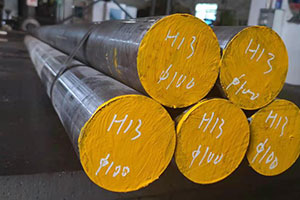
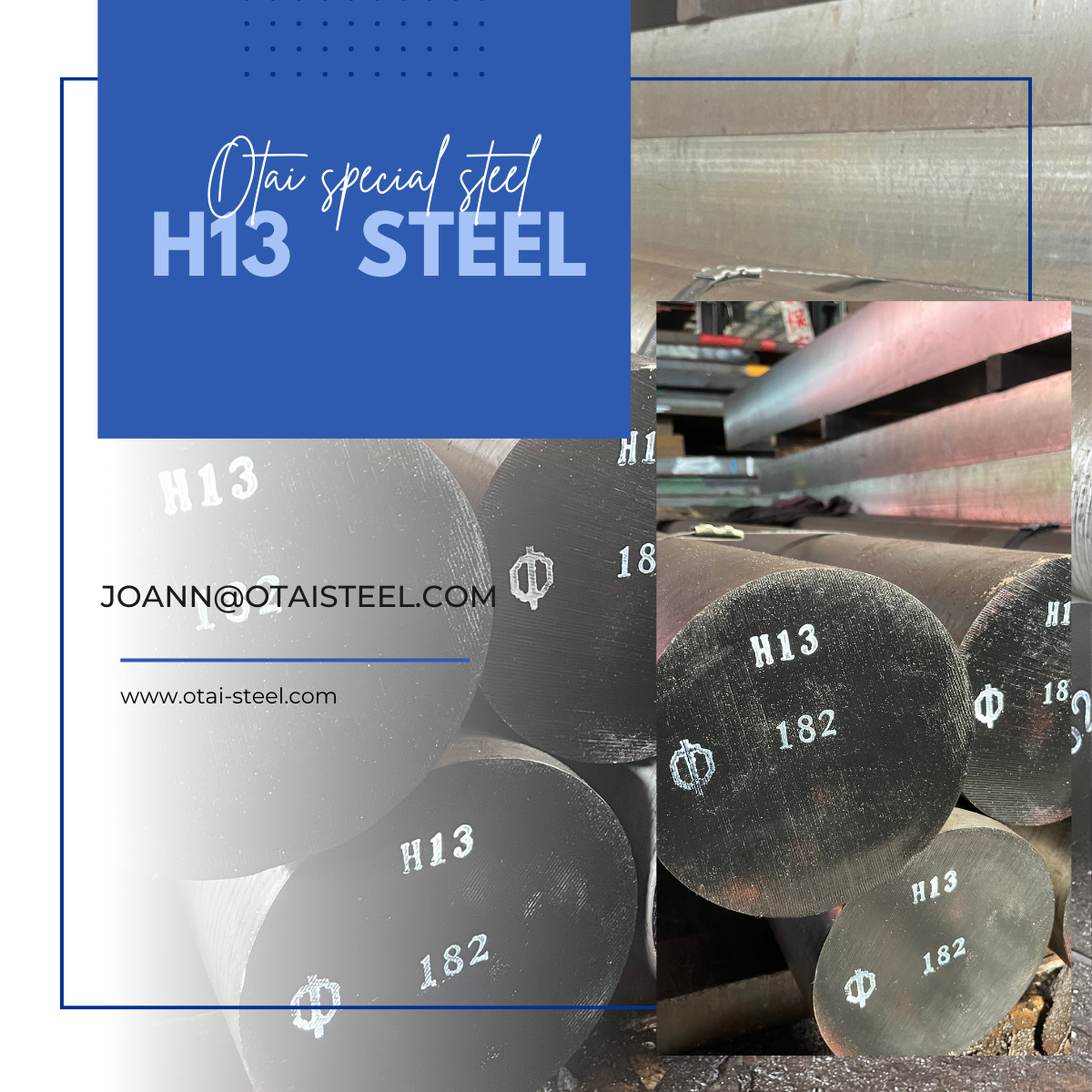
H13-steel-round-barThe Role of H13 Steel in the Automotive Industry

The automotive industry, with its stringent demands for precision and durability, has embraced H13  wholeheartedly. In the manufacturing of die casting molds for engine components and other critical parts, H13  shines, providing the reliability and longevity needed for these applications. Its exceptional thermal conductivity ensures efficient cooling during the molding process, contributing to the production of high-quality automotive components.

H13 Steel in the World of Injection Molding

Injection molding, a cornerstone in modern manufacturing, relies heavily on materials that can withstand the rigors of the process. Enter H13 , the unsung hero in the world of injection molding. Its ability to maintain structural integrity under the intense pressures and temperatures of the molding process makes it an ideal choice for producing a wide array of plastic components used in various industries.

Navigating H13 Steel in the Aerospace Sector

The aerospace industry demands materials that can withstand extreme conditions, from the scorching heat of combustion chambers to the bone-chilling cold of outer space. H13, with its exceptional heat resistance and mechanical strength, has found its niche in aerospace applications. It plays a pivotal role in the manufacturing of critical components, such as turbine blades and extrusion dies, ensuring the safety and reliability of aerospace systems.
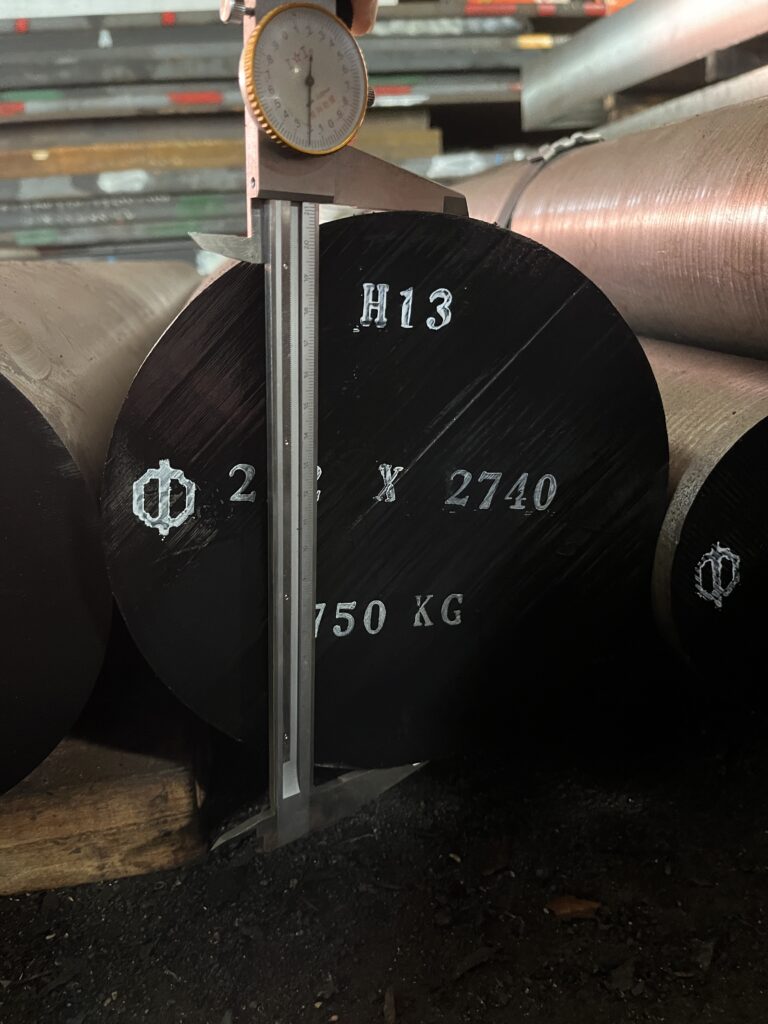
H13 round barChallenges and Solutions in Working with H13 Steel

While H13 steel offers a plethora of advantages, working with it presents its own set of challenges. Its high hardenability can lead to cracking during quenching, requiring careful attention to the heat treatment process. However, these challenges are surmountable with proper handling and expertise. Collaborating with skilled metallurgists and employing precise heat treatment techniques can mitigate these issues, allowing manufacturers to harness the full potential of H13 .

The Sustainability Angle: H13 Steel’s Eco-Friendly Edge

As we know , the sustainability become a hot topic in every industry. H13  with a longevity and durability makes the tools and components with a longer lifespan . This not only cuts down on material waste but also contributes to a more sustainable and environmentally manufacturing process.

Conclusion

In conclusion, H13 steel stands as a testament to the continuous evolution of materials in the industrial landscape. Its  composition, and performance make it play an imnportant role in various fileds , from automotive to aerospace. H13  is not just a choice for durability and efficiency, it’s a step towards a more sustainable and eco-conscious future in manufacturing.

FAQs

1. Is H13 steel suitable for high-precision application?

– Absolutely! H13 steel’s exceptional hardness and toughness make it an ideal choice for high-precision applications such as die casting molds and extrusion tools.
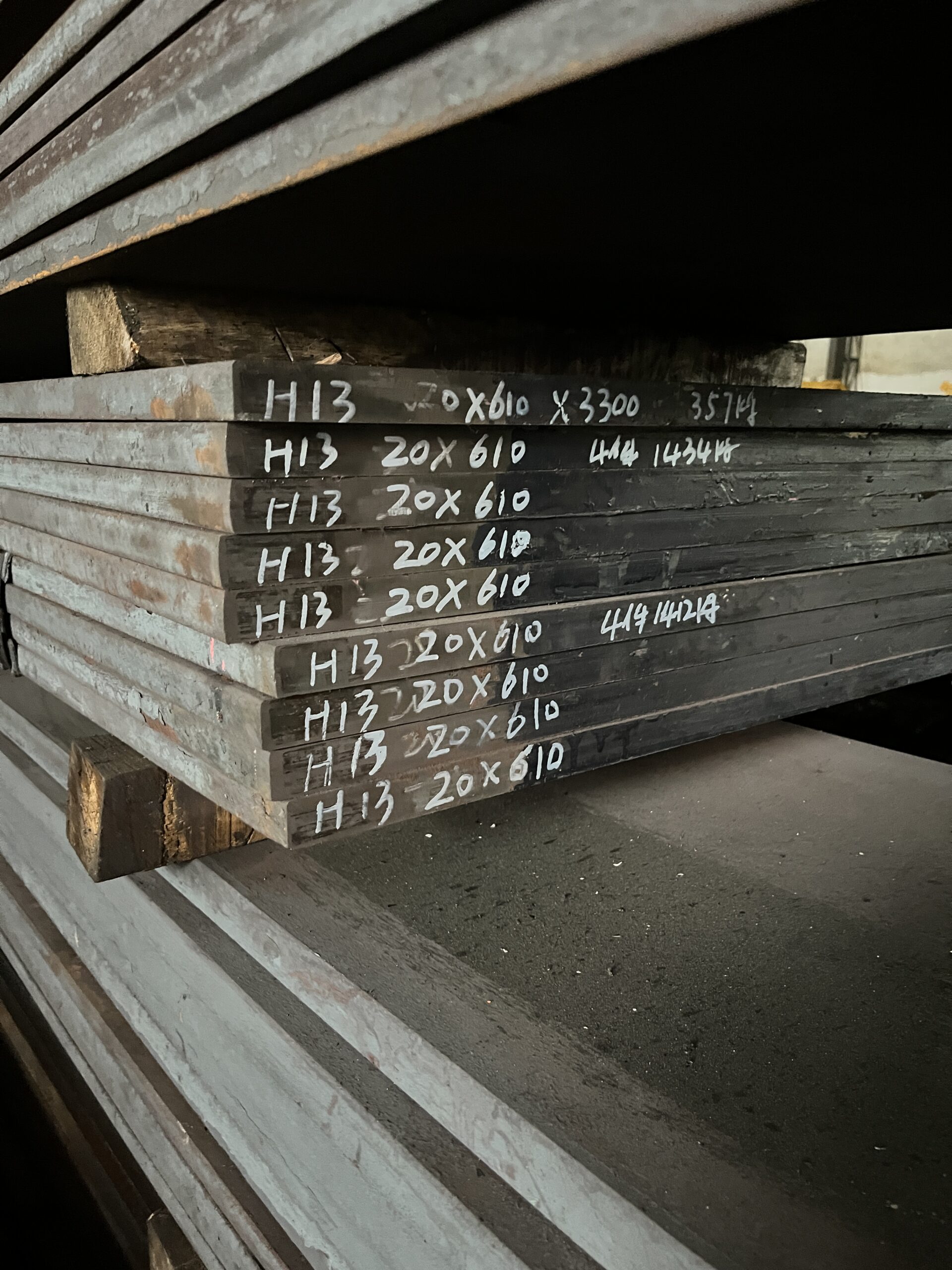
H13 flat bar2. How does H13 steel contribute to environmental sustainability?

– The longevity of tools and components made from H13 steel reduces the frequency of replacements, leading to less material waste and a more sustainable manufacturing process.

3. Can H13 steel withstand extreme temperatures in aerospace applications?

– Yes, H13 steel’s remarkable heat resistance makes it well-suited for aerospace applications, where it can endure the extreme temperatures experienced in combustion chambers and other critical components.

4. What precautions should be taken when working with H13 steel to avoid cracking during quenching?

– Precise control of the heat treatment process is crucial. Collaborating with skilled metallurgists and following recommended heat treatment procedures can help prevent cracking in H13 .

5. Are there alternative materials to H13 steel for similar applications?

– While there are alternative materials, H13 steel’s unique combination of properties, including heat resistance and toughness, often makes it the preferred choice for demanding applications in various industries.


Want to know more about the details ?

Pls contact : Joann

E-mail:joann@otaisteel.com

WhatsApp:+8613128068365
0 Continue Reading →

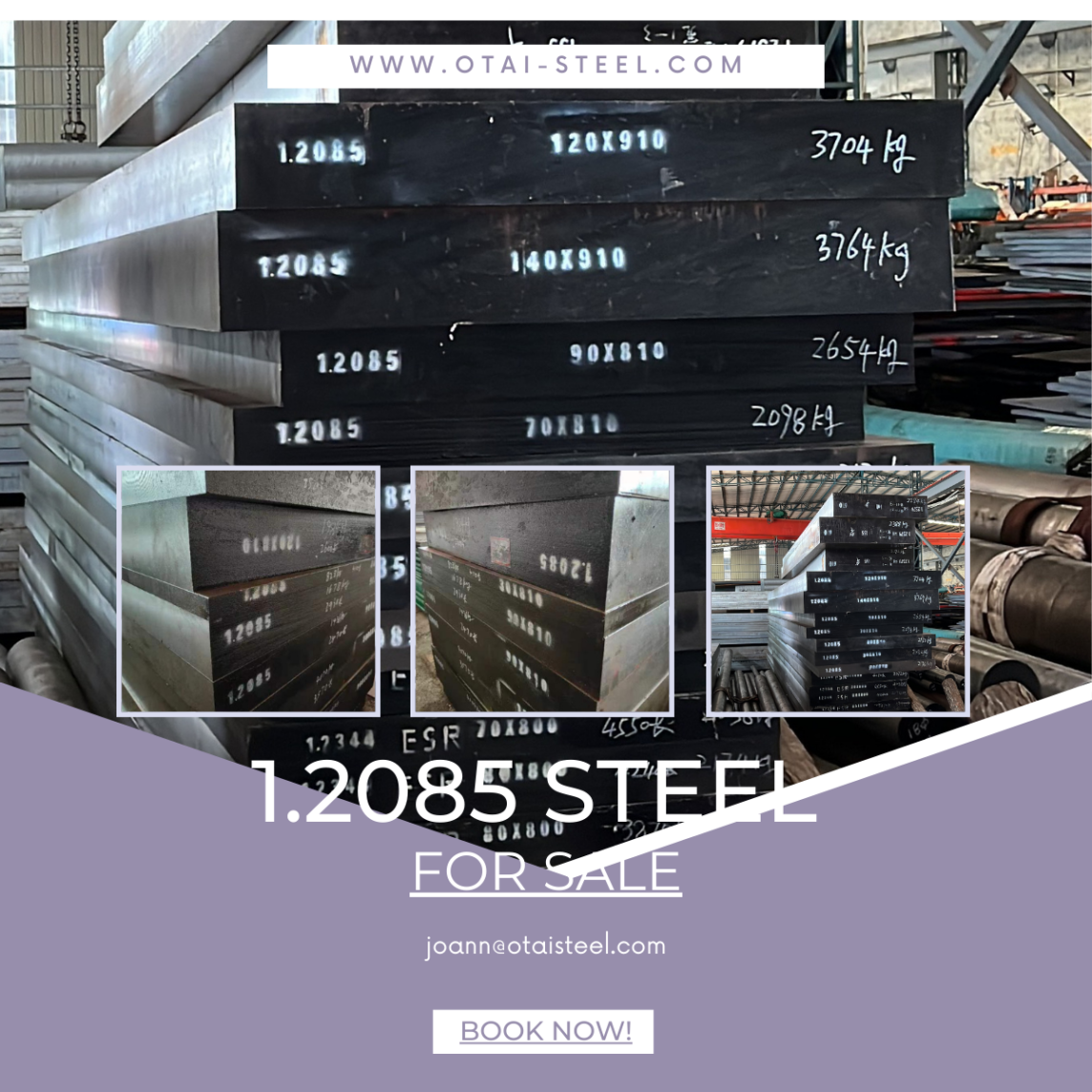
What’s 1.2085 Steel Equivalent?

When it comes to steel, various grades and equivalents exist to serve specific purposes in industries ranging from construction to manufacturing, one such steel variant that has gained recognition is 1.2085 steel and its equivalents. In this article, we will delve into the properties, applications, and equivalents of 1.2085 steel, shedding light on its importance in various industries.

1. What is 1.2085 Steel?

1.2085 steel is a widely use tool steel known for its exceptional durability, hardness, and wear resistance . It belongs to the family of chromium-molybdenum steels, which well know for their excellent machinability and robust performance in demanding environments.

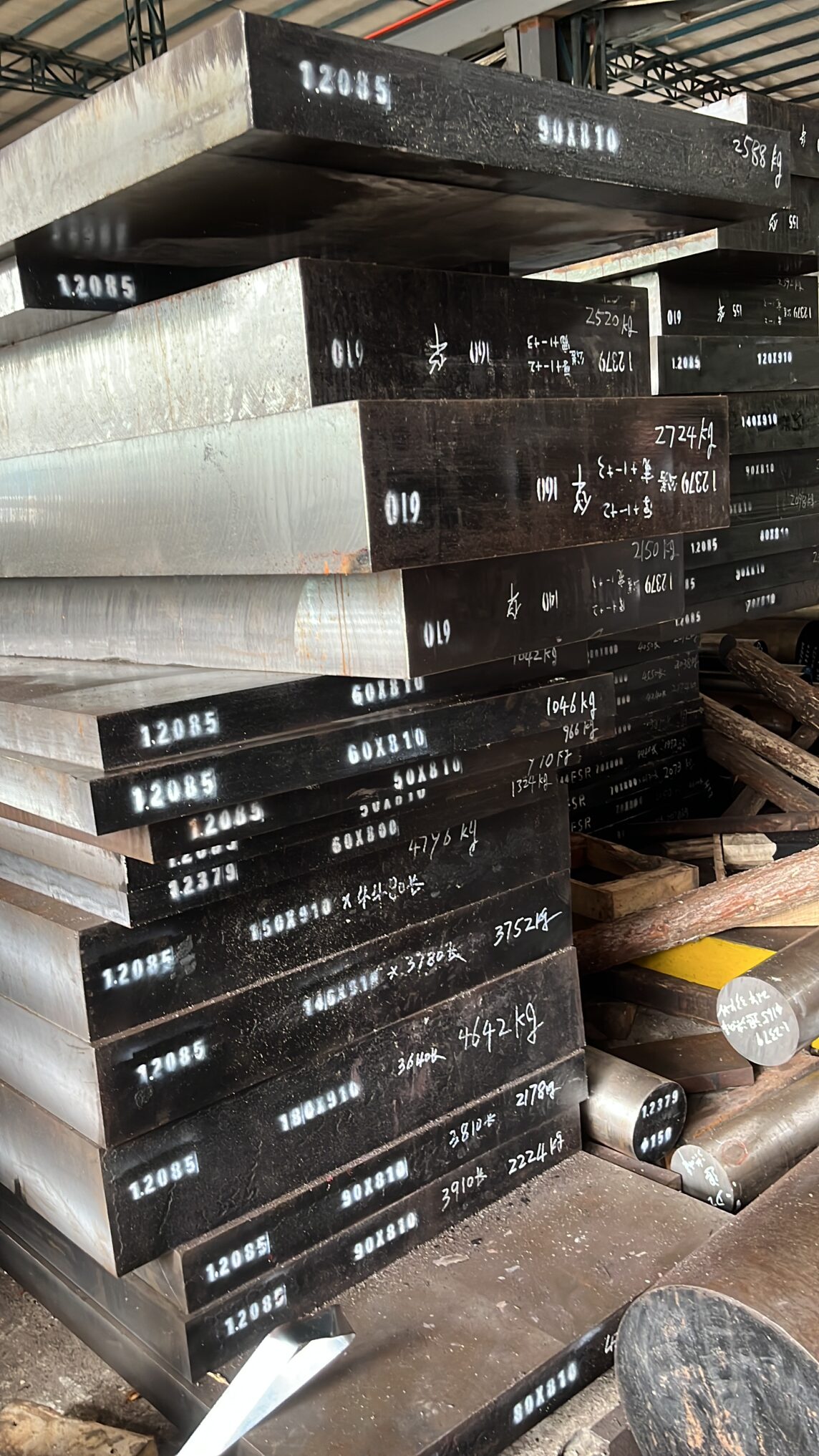
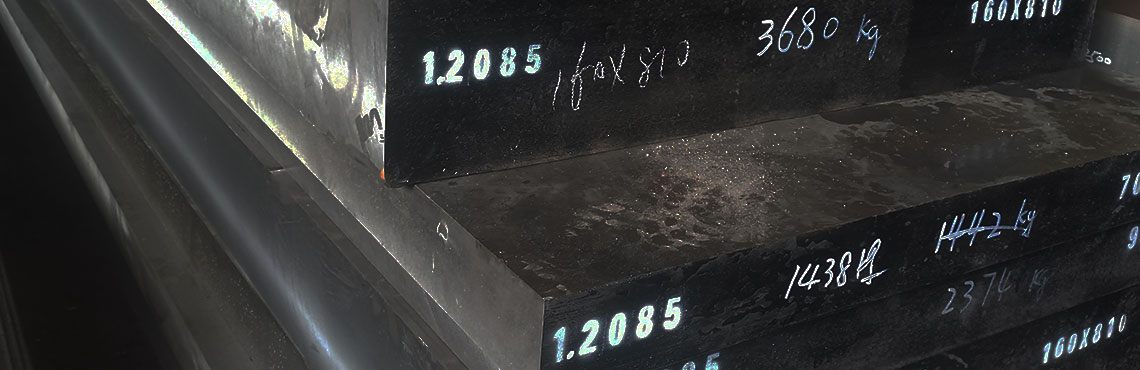
2085-plate-2. Properties of 1.2085 Steel

– Hardness: One of the standout features of 1.2085 steel is its high hardness level. This property makes it suitable for applications where wear resistance is crucial.

– Toughness: Despite its hardness, 1.2085 steel also exhibits good toughness, providing a balanced combination of strength and durability.

– Corrosion Resistance: Thanks to its chromium content, 1.2085 steel offers resistance against corrosion and oxidation, ensuring a prolonged lifespan in various environments.

3. Applications of 1.2085 Steel

1.2085 steel finds its applications in several industries due to its exceptional properties:

– Molds and Dies: It  commonly use in the production of molds and dies for plastic injection molding and die casting processes. Its high hardness and wear resistance ensure a longer tool life.

– Cutting Tools: The durability and toughness of 1.2085 steel make it an excellent choice for manufacturing cutting tools such as knives, shears, and blades.

– Industrial Components: It is also utilize in the production of various industrial components, including shafts, gears, and other precision parts.

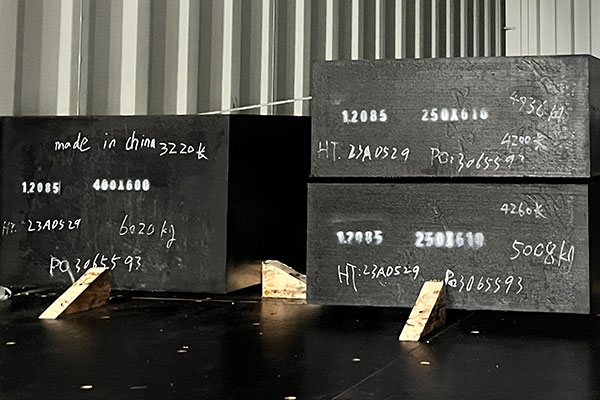
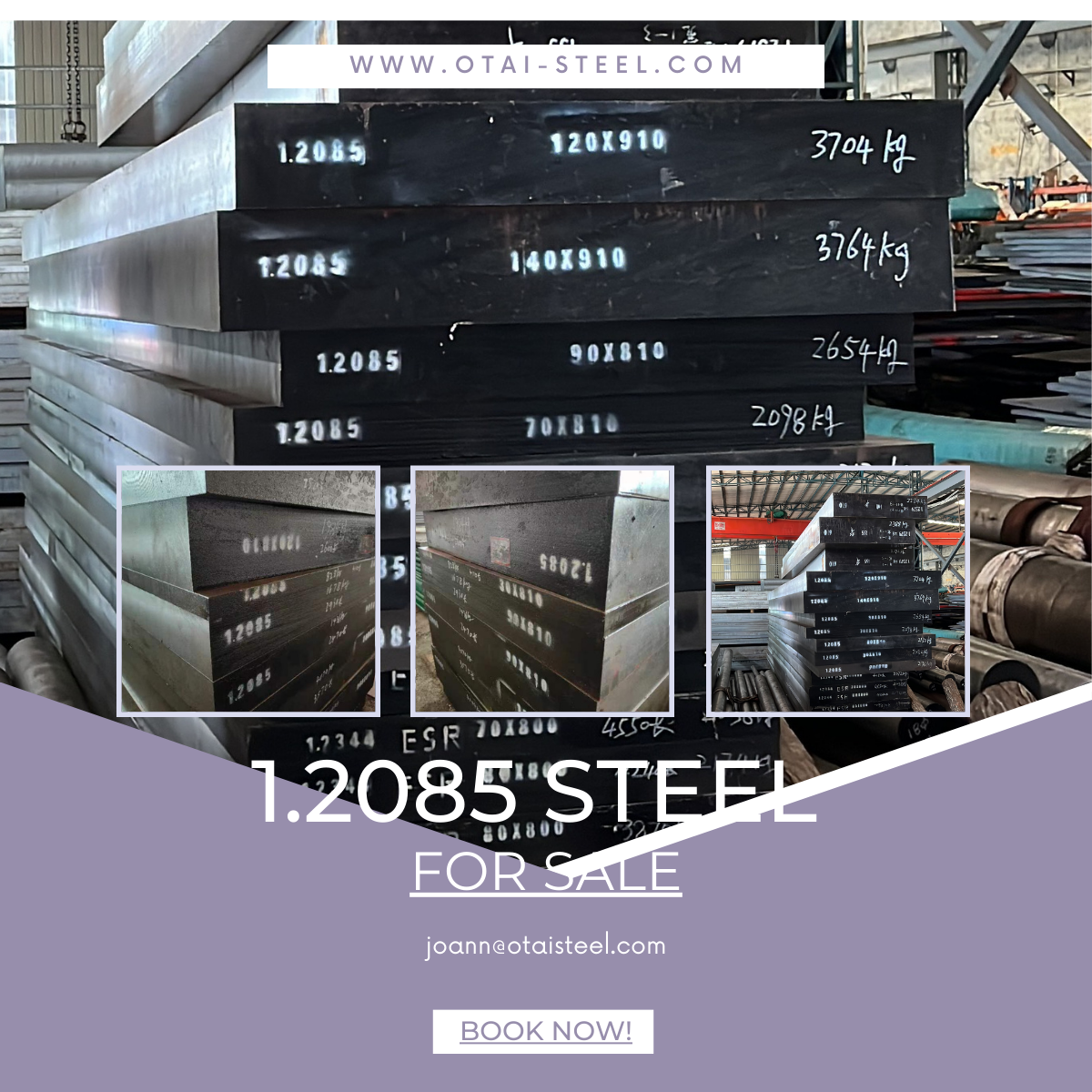
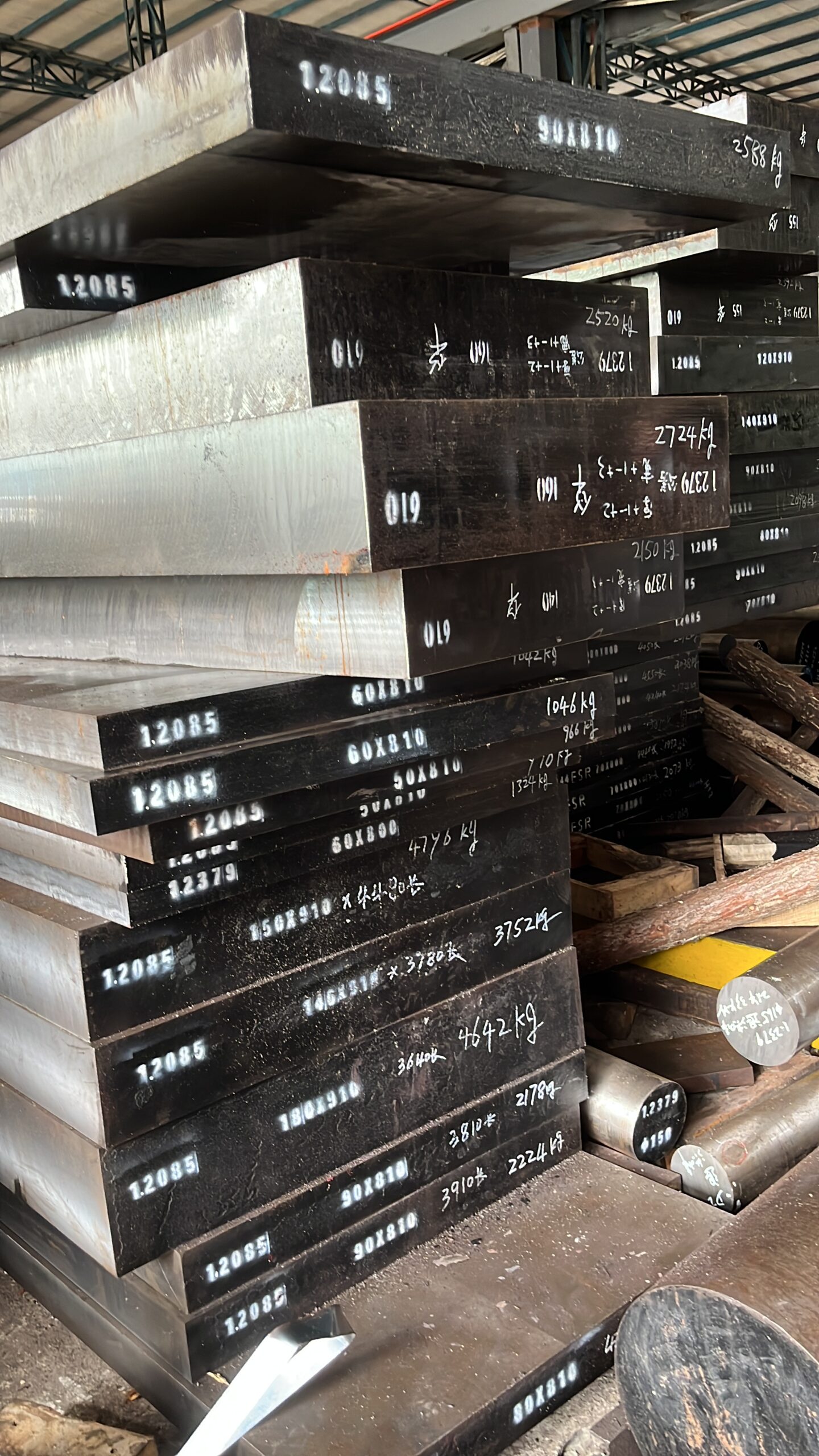
1.2085-steel-block4. 1.2085 Steel Equivalents

Understanding the equivalents of 1.2085 steel is crucial for selecting the right material for a specific application. Some of the notable equivalents include:

– DIN 1.2085: This is the German standard equivalent for 1.2085 steel. It shares similar chemical composition and properties, making it a suitable alternative.

– AISI 420: This is an American equivalent to 1.2085 steel. It is widely used in applications where corrosion resistance and high hardness are critical factors.

– GB 4Cr13: In the Chinese steel grading system, 4Cr13 is the equivalent of 1.2085 steel. It is recognized for its similar properties and performance.

Conclusion

In conclusion, 1.2085 steel and its equivalents are pivotal materials in various industries due to their exceptional properties. From molds and dies to cutting tools, this steel variant plays a vital role in ensuring the efficiency and longevity of numerous applications. Understanding its properties and equivalents empowers industries to make informed decisions when selecting materials for specific tasks.

FAQs

1. Is 1.2085 steel suitable for high-temperature applications?

While 1.2085 steel exhibits good heat resistance, it is not recommended for prolonged exposure to extremely high temperatures. For applications involving extreme heat, specialized heat-resistant steels may be more appropriate.

2. Can 1.2085 steel be welded?

Yes, 1.2085 steel can weld using conventional welding techniques. However, it’s essential to use appropriate preheating and post-welding procedures to maintain its properties.

3. Are there specific heat treatment processes recommended for 1.2085 steel?

Yes, common heat treatment methods for 1.2085 steel include quenching and tempering. These processes help optimize its hardness, toughness, and overall performance for specific applications.

4. What industries commonly use 1.2085 steel?

1.2085 steel is prevalent in industries such as plastic injection molding, die casting, automotive manufacturing, and general tool and die production.

5. How does 1.2085 steel compare to other tool steels in terms of performance?

1.2085 steel balance combination of hardness, toughness, and corrosion resistance, making it a competitive choice in various applications.

Want to know more about the details ?

Pls contact : Joann

E-mail:joann@otaisteel.com

WhatsApp:+8613128068365
0 Continue Reading →

The Performance and Application of 1.2085 steel

1.2085 steel, also known as 420FM stainless steel, is a high-carbon stainless steel.It offers a good hardness, corrosion resistance, and affordability. In this artical, we will explore the performance and applications of 1.2085 .

Chemical Composition

C Si Mn S P  Cr Mo Ni
1.2085 0.28-0.38 Max1.00 Max1.40 0.050-0.100 MAX0.030 15.00-17.00 / Max1.00

Performance of 1.2085 steel

Hardness and Wear Resistance

One of the key characteristics of 1.2085 is its excellent hardness. It harden through heat treatment processes, making it suitable for applications that require a sharp cutting edge or resistance to wear. This property makes 1.2085 steel a popular choice for knife blades and cutting tools.

1.2085-steel-blockCorrosion Resistance

While not as corrosion-resistant as some other stainless steels like 304 or 316, 1.2085 still offers good resistance to corrosion, especially in environments with low to moderate levels of moisture and exposure to corrosive elements. Proper maintenance and care can help enhance its longevity in corrosive conditions.

Toughness

1.2085  exhibits good toughness, which is important for applications where the material may be subjected to impact or sudden loads. This quality ensures that the steel can withstand moderate levels of stress without fracturing or chipping.

Long-lasting cutting edge performance

Due to its higher carbon content, its hardness properties are better. In this way , when 1.2085 use in cutting steel, the sharpness of the cutting edge can be maintained for a long time, which makes it less frequent and more environmentally friendly.

Applications of 1.2085 Steel

Knife making

1.2085  is most commonly used in tool production. Its higher hardness, better corrosion resistance and edge retention ability make it outstanding in tool production. Particularly used as kitchen knives and outdoor tools, 1.2085  provides reliable performance.

Cutting tools

1.2085  can also used to make cutting tools such as blades, scissors, and saws. Its hardness and wear resistance make it ideal for tools that are subject to constant wear and tear

Surgical Instruments

In the medical field, 1.2085  utilize for surgical instruments. Its ability to  sterilize, along with its hardness and corrosion resistance, make it an appropriate material for tools used in surgical procedures.

Industrial Applications

Beyond the mentioned applications, 1.2085 finds use in various industrial settings where a combination of hardness and corrosion resistance is required. This can include components for machinery, valves, and other mechanical parts.

Conclusion

1.2085 steel, the combination of its properties of hardness, corrosion resistance, and affordability, finds wide-ranging applications in industries such as cutlery, toolmaking, and medical instruments. Its performance characteristics make it a good choice for various applications.

FAQs

1. Is 1.2085  suitable for outdoor knives?

Yes, 1.2085  is a popular choice for outdoor knives due to its hardness, corrosion resistance, and edge retention.

2. How should I maintain 1.2085 steel tools to ensure longevity?

Regular cleaning and proper storage in a dry environment can help prolong the life of 1.2085 steel tools.

3. Can 1.2085  be heat treated at home?

While it is possible to heat treat 1.2085  at home, it recommend to consult a professional for best results.

4. What industries commonly use 1.2085 steel in their applications?

1.2085  commonly use in industries such as cutlery manufacturing, toolmaking, and medical instrument production.

5. Is 1.2085 steel magnetic?

Yes, 1.2085  is magnetic, as it belongs to the martensitic stainless steel family which is generally magnetic in nature.

Want to know more about the details ?

Pls contact : Joann

E-mail:joann@otaisteel.com

WhatsApp:+8613128068365

0 Continue Reading →

4140 vs 52100 : the difference of the two popular steel

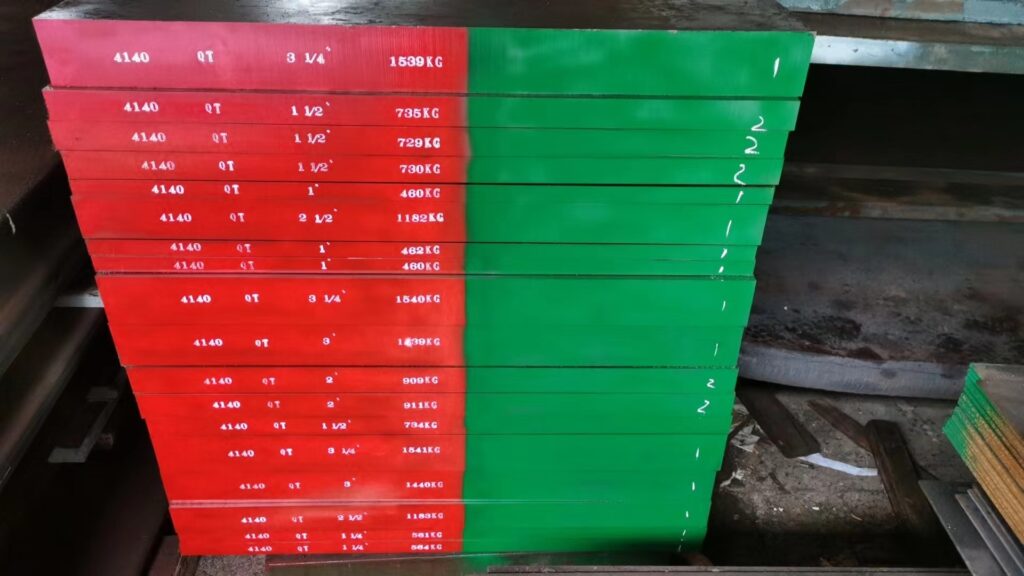
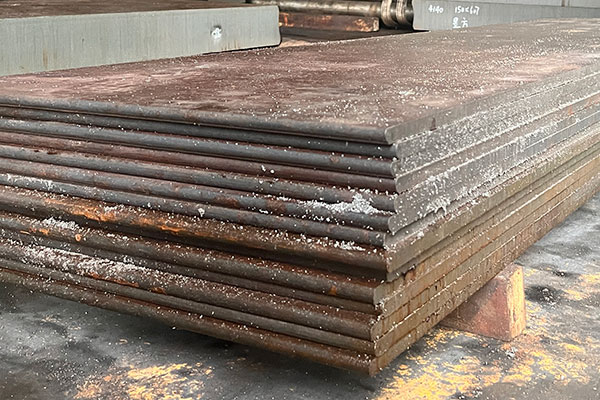
SAE 4140 plate4140 and 52100 both are widely used steel , they are often compared and evaluated for their suitability in various applications. In this article, we’ll explore the characteristics, properties, and applications of these two steel types, highlighting their differences and unique features.
4140 Steel

Composition and Characteristics

4140 steel, also known as AISI 4140 or SAE 4140, is a low alloy steel known for its strength, toughness, and high fatigue resistance.Chemical composition is below :

C Si Mn S P  Cr Mo Ni
4140 0.38-0.43 0.15-0.35 0.75-1.00 ≤0.040 ≤0.035 0.80-1.10 0.15-0.25

Properties

– Tensile Strength: 4140 steel boasts a tensile strength of approximately 655 MPa, making it suitable for applications where high strength is essential.
– Hardness: It can be heat-treated to achieve a hardness ranging from 28 to 32 HRC (Rockwell C scale).
– Weldability: 4140 steel can be welded, although it requires pre- and post-weld heat treatments to maintain its properties.
– Applications: Commonly used in machinery components, axles, connecting rods, and a variety of industrial applications.

52100 Steel

Composition and Characteristics

52100 steel, also known as bearing steel, composition is below:

Grade C Mn P S Si Ni Cr Cu Mo
52100 0.93-1.05 0.25-0.45 0.025 0.015 0.15-0.35 0.25 1.35-1.60 0.3 0.1

Properties

– Tensile Strength: 52100 steel offers a tensile strength of around 680 MPa, slightly higher than 4140 steel.
– Hardness: It can achieve high hardness levels, typically around 60 to 66 HRC, making it ideal for bearing applications.
– Wear Resistance: Due to its composition, 52100 steel excels in applications where resistance to wear and abrasion is crucial.
– Applications: Predominantly used in bearing components, such as ball bearings, roller bearings, and other high-load applications.

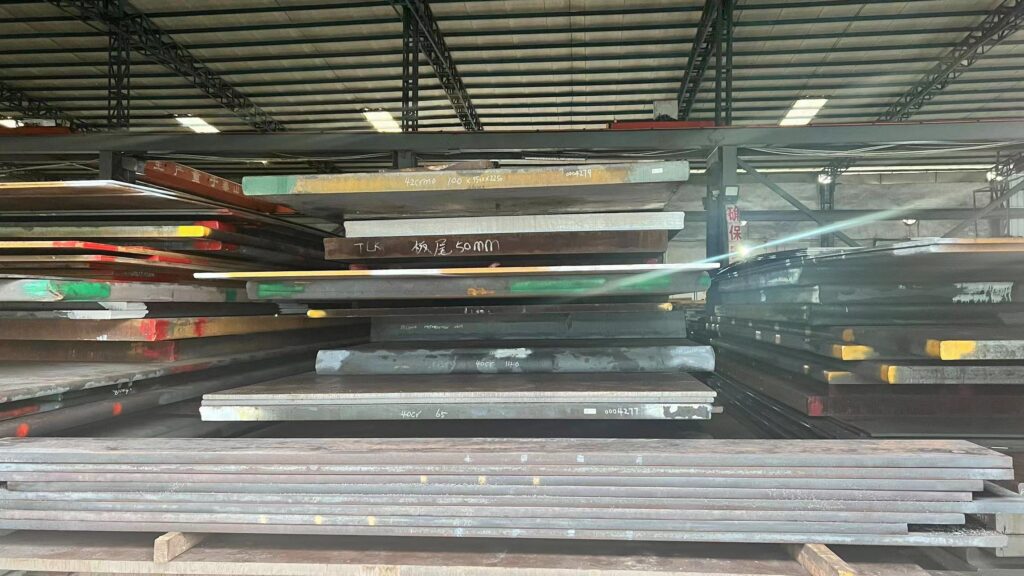
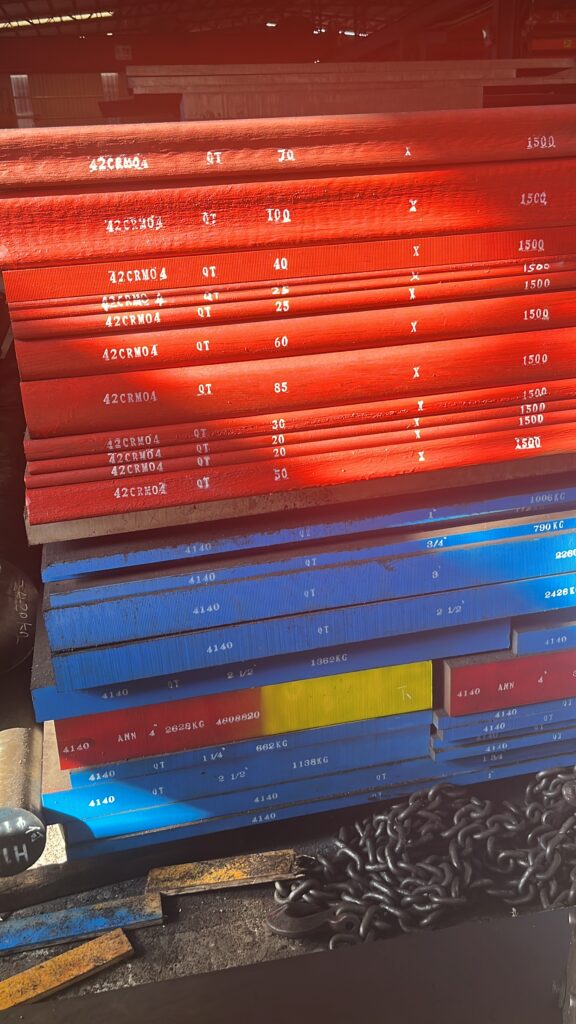
42CrMo4 QT plateKey Differences

1. Composition: The primary difference between these two steels is their composition. While 4140 steel is a low alloy steel with a balanced mixture of elements, 52100 steel contains a higher percentage of chromium for improved wear resistance.

2. Tensile Strength: 52100 steel has a slightly higher tensile strength compared to 4140 steel. This makes 52100 more suitable for applications where extreme strength is required.

3. Hardness: 52100 steel is significantly harder than 4140 steel. The high hardness of 52100 steel makes it ideal for bearing applications, where the material must withstand heavy loads and friction.

4. Weldability: 4140 steel is more weldable than 52100 steel, although it still requires proper pre- and post-weld heat treatments to maintain its properties. In contrast, 52100 steel is less weldable due to its high chromium content.

Conclusion

In summary, both 4140 and 52100 steel have their strengths and applications. 4140 steel offers a good balance of strength and toughness, making it suitable for various machinery components and industrial uses. On the other hand, 52100 steel, with its high hardness and exceptional wear resistance, is the top choice for bearing applications. When selecting between the two, it’s essential to consider the specific requirements of your project and choose the steel that best matches your needs.

4140 and 52100 FAQs

1. Can 4140 steel be used in bearing applications?
4140 steel is not typically used for bearing applications due to its lower hardness and wear resistance. It’s better suited for components that require strength and toughness.

2. What are the advantages of 52100 steel in bearing applications?
52100 steel’s high hardness and excellent wear resistance make it ideal for bearing applications, where it can withstand heavy loads and friction.

3. Is 4140 steel more cost-effective than 52100 steel?
Generally, 4140 steel is more cost-effective than 52100 steel, making it a popular choice for a wide range of industrial applications.

4. Can 4140 and 52100 steel be heat-treated for improved properties?
Yes, both 4140 and 52100 steel can be heat-treated to enhance their properties, including hardness and strength.

5. Are there any corrosion resistance differences between 4140 and 52100 steel?
52100 steel has better corrosion resistance due to its higher chromium content, making it suitable for applications where exposure to moisture or corrosive environments is a concern.


Want to know more about the details ?

Pls contact : Joann

E-mail:joann@otaisteel.com

WhatsApp:+8613128068365

0 Continue Reading →

1.2083 Steel: A Comprehensive Guide

As we know some industrial applications require steels with good wear resistance, like NM400, NM450,NM500 and 1.2083 .  This artical aims to  introduce this staineless steel 1.2083 steel and help us to know more about it’s performace and application .

What is 1.2083  ?

DIN 1.2083 mold steel is a stainless steel plastic mold steel with a chromium content of up to 13%. Which  has good polishability and excellent wear resistance, and is often used in acid-proof plastic molds.

1.2083 steel equivalent the ASTM 420 , JIS SUS420J2 and GB 4Cr13.It can see clearly in this artical: https://www.otaisteel.com/products/plastic-mould-steel/1-2083-steel-x42cr13-sus420j2-17029/

1.2083 steel chemical Composition:

  C Si Mn S P  Cr Mo Ni
1.2083 0.36-0.42 ≤1.00 ≤1.00 ≤0.030 ≤0.030 12.50-14.50 / /

DIN 1.2083  chemical composition includes elements such as carbon, silicon, manganese, phosphorus, sulfur and chromium. Among them, the content of chromium is relatively high, which can improve its corrosion resistance and hardness.

1.2083 Steel Performance Characteristics:

1. Outstanding Hardness:

1.2083 boasts exceptional hardness, making it ideal for applications requiring wear resistance, such as molds and dies in the plastics industry.

2. Corrosion Resistance:

Its high chromium content ensures excellent resistance against corrosion, making it suitable for environments with exposure to moisture and chemicals.

3. Good Machinability:

Thanks to its sulfur content, 1.2083 exhibits favorable machinability, reducing production time and costs.

4. Excellent Polishability:

This steel type is known for its ability to achieve a smooth and reflective surface finish, crucial in applications like mold making.

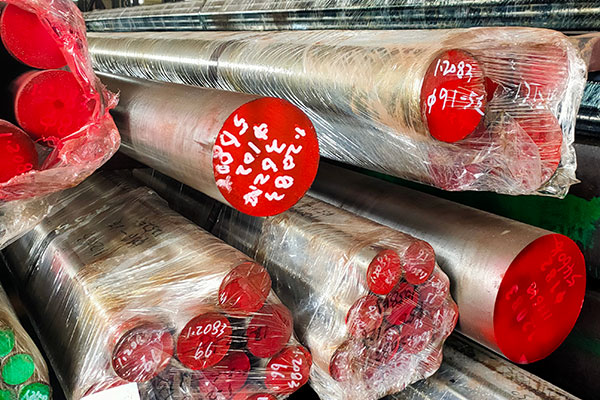
1.2083 steel round bar

1.2083 Steel Applications:

1. Precision Molds:

Due to its outstanding hardness and corrosion resistance, 1.2083 is widely used in manufacturing precision molds for industries ranging from automotive to consumer goods.

2. Medical Instruments:

The high corrosion resistance of 1.2083 makes it a preferred choice for surgical instruments, ensuring longevity and reliability in critical healthcare settings.

3. Injection Molding:

Its exceptional wear resistance makes it a top choice for creating molds used in injection molding processes, ensuring consistent and high-quality production.

4. Extrusion Dies:

1.2083’s combination of hardness and corrosion resistance is invaluable in creating extrusion dies for producing various materials like plastics, rubber, and metals.

1.2083 steel

Conclusion:

1.2083 stainless steel, with its balanced chemical composition and outstanding performance attributes, is a reliable choice for a wide range of applications. If have more interest to know more details about 1.2083, pls contact E-mail: joann@otaisteel.com or WhatsApp:+8613128068365


Click here to get the inquiry: https://api.whatsapp.com/send?phone=8613128068365

0 Continue Reading →

How to choose a 4140 Steel supplier ?

Steel forms the backbone of modern industry, and among its diverse family, one alloy particularly stands out for its exceptional versatility and strength – 4140 steel. In this comprehensive guide, we’ll delve into  4140 steel, exploring how to find a reliable 4140 steel supplier.

What is 4140 Steel?

4140 steel is a low alloy with high tensile strength, toughness, and excellent wear resistance.

Properties of 4140 Steel

High Tensile Strength: One of the most notable characteristics of 4140 steel is its impressive tensile strength, making it suitable for applications under high-stress conditions. It excels in automotive components or structural elements.

Toughness and Impact Resistance: Its composition grants 4140 steel exceptional toughness, allowing it to withstand impacts and dynamic loading conditions. This property makes it a popular choice in manufacturing gears, axles, and other machinery components.

Good Fatigue Strength: Another key advantage of 4140 steel is its resistance to fatigue. This property is crucial for components subjected to cyclic loading, such as aircraft landing gear or automotive suspension parts.

Excellent Wear Resistance: The inclusion of molybdenum in 4140 steel significantly enhances its wear resistance, making it suitable for tooling applications where abrasion is a concern.

Machinability: Despite its high strength, 4140 steel maintains good machinability when treated properly. This allows for precise and efficient manufacturing processes.

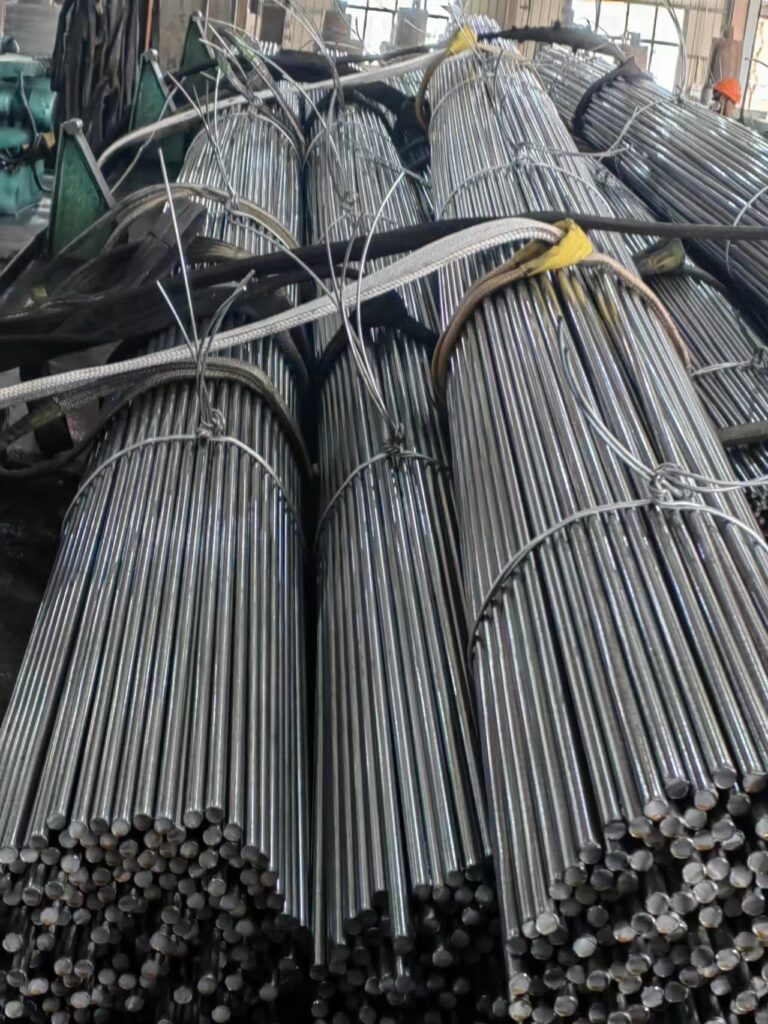
4140 round bar Applications of 4140 Steel

Automotive Industry: The automotive industry heavily relies on 4140 steel. It’s used in a range of components including axles, crankshafts, gears, and connecting rods.

Aerospace Components: Due to its excellent strength-to-weight ratio and fatigue resistance, 4140 steel finds applications in aerospace components like landing gear, shafts, and structural elements.

Oil and Gas Industry: The oil and gas sector often employs 4140 steel in the manufacturing of drill collars, subs, and other downhole equipment, thanks to its combination of strength and corrosion resistance.

Tool and Die Making: 4140 steel’s wear resistance and machinability make it a popular choice for tool and die production, where precision and durability are paramount.

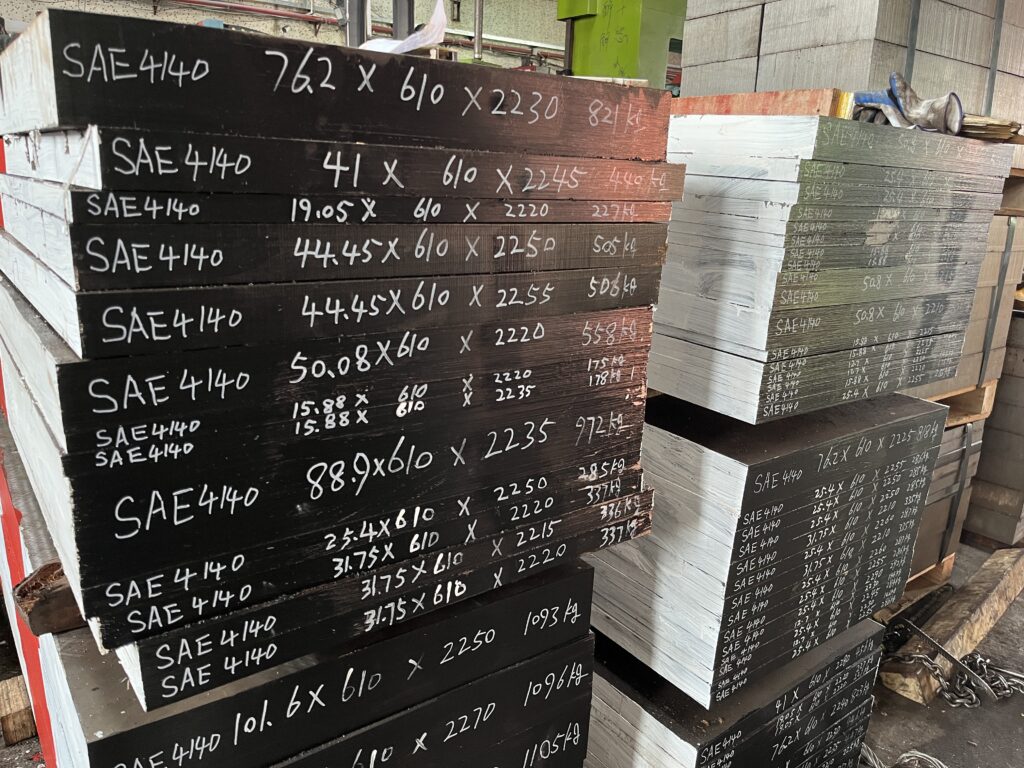
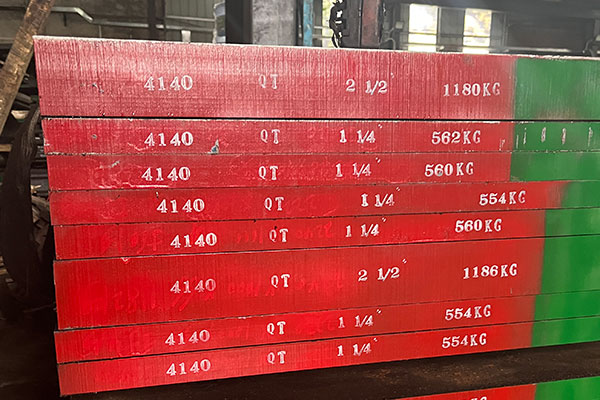
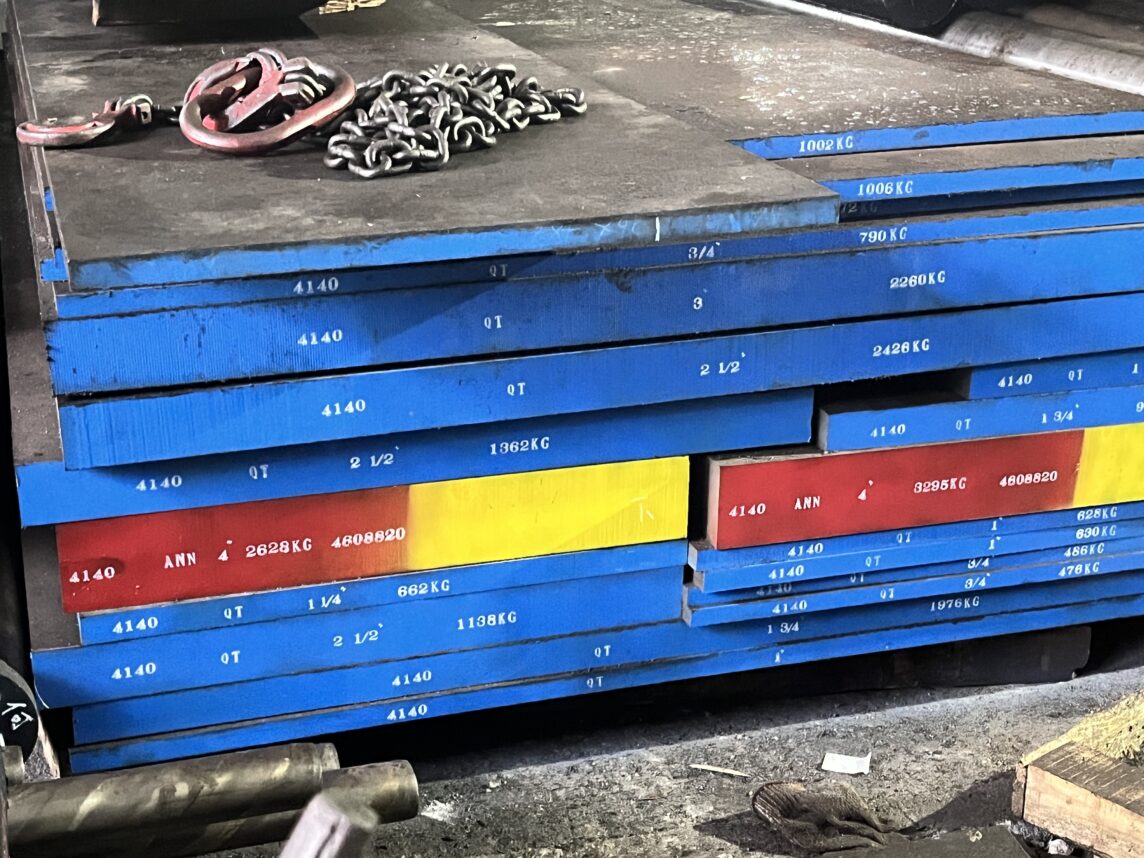
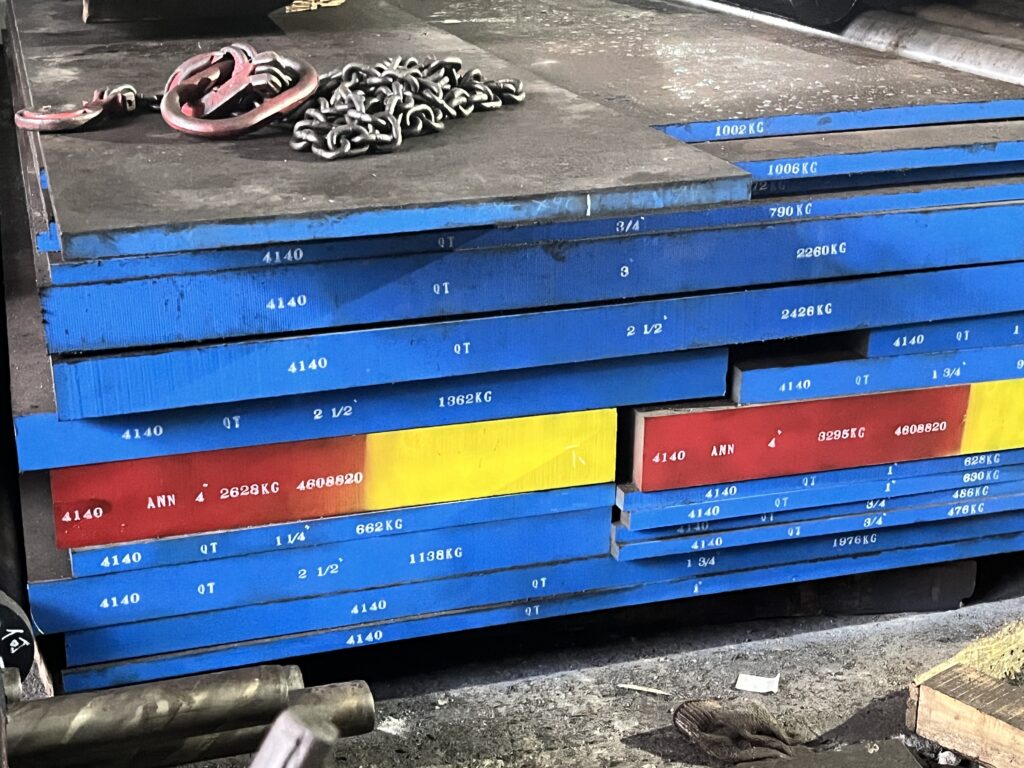
Sourcing 4140 Steel: Choosing the Right Supplier4140 steel plate

When it comes to procuring 4140 steel, selecting the right supplier is crucial for ensuring quality and reliability. Look for a supplier with the following attributes:

Reputation and Experience: A reputable supplier has a track record of providing high-quality 4140 steel to various industries. Look for reviews, testimonials, and years in business.

Certifications and Standards: Ensure that the supplier adheres to industry standards and holds relevant certifications, such as ISO 9001 for quality management.

Customization Options: A reliable supplier should offer customization options to meet specific requirements, such as different sizes, shapes, or heat treatments.

Timely Delivery and Logistics: A supplier’s ability to meet delivery deadlines and provide efficient logistics support is crucial for keeping projects on schedule.

Technical Support and Expertise: A reputable supplier should have a team of experts . It can provide technical advice and support throughout the procurement process.

Conclusion

In the world of steel alloys, 4140 steel stands tall for its exceptional properties and wide-ranging applications. Its combination of high strength, toughness, and wear resistance make it a go-to material for industries spanning automotive, aerospace, oil and gas, and tool making. When sourcing 4140 steel, it’s imperative to partner with a trusted supplier who can provide the quality and reliability needed for your projects.

4140 steel supplierFAQs

Is 4140 steel suitable for welding applications?

Yes, 4140 steel can be welded, but it requires proper preheat and post-weld heat treatment to prevent cracking.

What are the available forms of 4140 steel?

4140 steel is available in various forms, including round bars, flat bars, plates, and seamless tubing.

Can 4140 steel be heat treated for further enhancement of its properties?

Yes, 4140 steel can undergo processes like quenching and tempering to further improve its mechanical properties.

What industries commonly use 4140 steel?

Industries such as automotive, aerospace, oil and gas, and tool and die making frequently utilize 4140 steel for various components.

What are some alternatives to 4140 steel for high-stress applications?

Some alternatives include 4340 steel, 8620 steel, and 6150 steel, which offer similar properties and are often chosen based on specific application requirements.

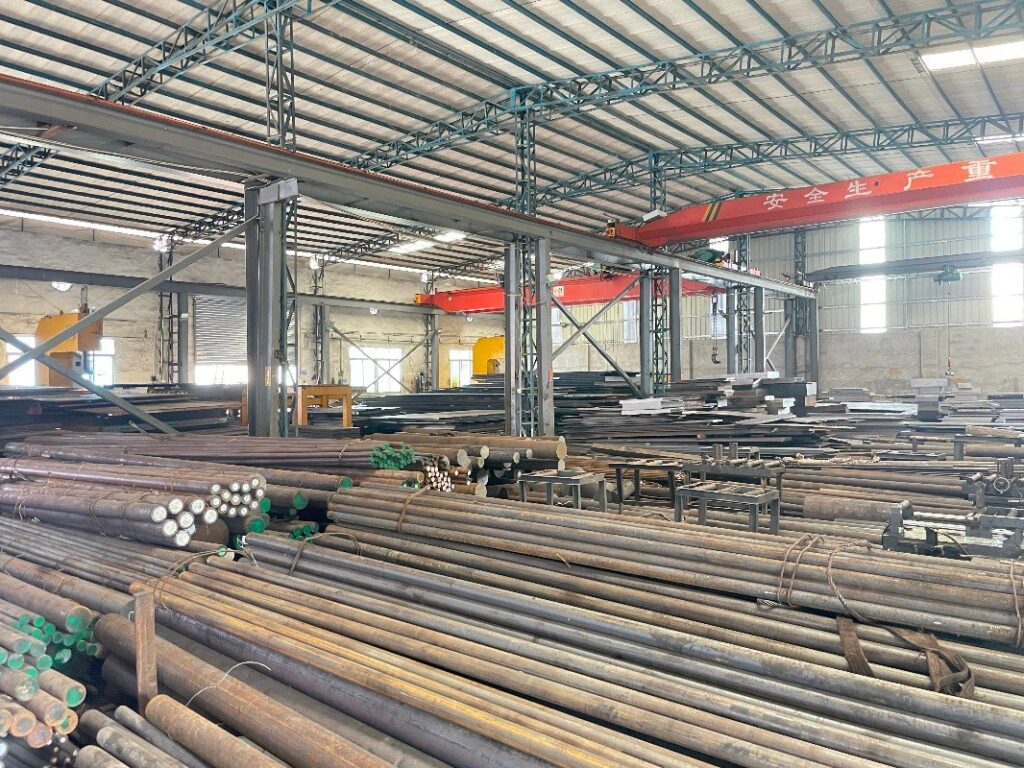
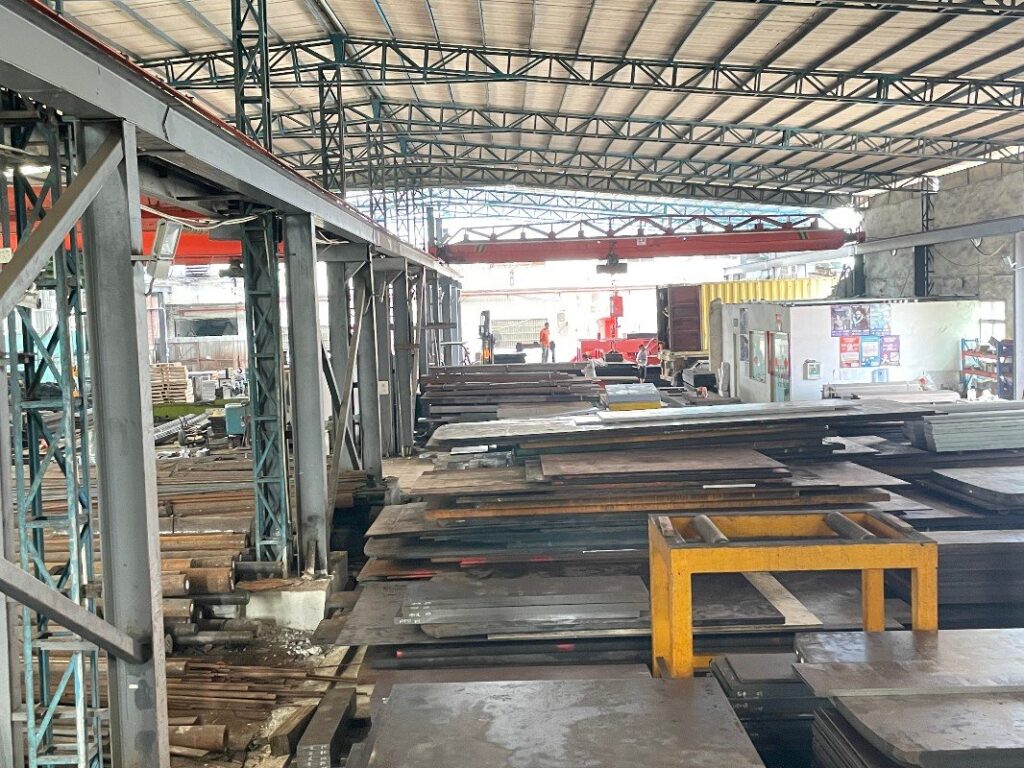
Dongguan Otai special steel ., Ltd  stock more than 300otons of 4140 steel stock . We have the ISO9001-2022 certificate and accept the third party inspecition like SGS. For delivery time , we delivert 15% faster  than competitiors.

Welcome to inquiry, Contact : Joann , E-mail:joann@otaisteel.com; WhatsApp:+8613128068365

http://www.otaisteel.com

0 Continue Reading →

4140 Steel Bar Aanlysis

4140 steel bar stands as a stalwart in the realm of metallurgy, playing a pivotal role in various industries.

What is 4140 Steel?

4140 steel is a low alloy steel with good strength and toughtness which we explaine in previous artical.

Chemical composition

C Si Mn S P  Cr Mo Ni
4140 0.38-0.43 0.15-0.35 0.75-1.00 ≤0.040 ≤0.035 0.80-1.10 0.15-0.25

Manufacturing Process

The journey of 4140 steel begins with a precise blend of raw materials, which are then subjected to intense heat and pressure through forging and rolling processes. This meticulous treatment refines the steel’s grain structure, enhancing its strength and durability. However, the true magic happens during heat treatment. This critical phase involves controlled heating and rapid quenching, effectively tailoring the steel’s hardness and toughness to meet specific application requirements.

4140 steel bar Physical and Mechanical Properties

In the realm of physical attributes, 4140 steel boasts a density of approximately 7.85 g/cm³, rendering it robust yet manageable. Its melting point stands at around 1425°C (2600°F), a testament to its resilience under extreme conditions. Mechanically, this steel variety shines. With a tensile strength of 655 megapascals (MPa) and a yield strength of 415 MPa, it proves itself as a formidable contender for applications demanding exceptional load-bearing capabilities. Furthermore, its impact resistance ensures it stands firm even in the face of sudden, high-stress forces.

Applications of 4140 Steel Bar

Aerospace: In the aerospace sector, where weight is of paramount concern, 4140 steel takes the center stage. Its high strength-to-weight ratio makes it an indispensable material for crafting components that demand both structural integrity and reduced mass. From landing gear to engine parts, 4140 steel plays a vital role in keeping aircraft aloft.

Automotive: Within the automotive industry, 4140 steel finds its calling in the manufacturing of critical components. Axles, gears, and shafts, subjected to intense loads and stresses, benefit immensely from the steel’s robustness. Its ability to withstand wear and fatigue ensures longevity and reliability on the road.

Oil and Gas Industry: In the unforgiving environment of the oil and gas sector, 4140 steel proves its mettle. Utilized in downhole drilling tools, this steel variant exhibits exceptional toughness and wear resistance, enduring the harsh conditions encountered in deep drilling operations.

Manufacturing: From heavy machinery to precision tools, 4140 steel stands as a cornerstone of manufacturing. Its versatility and machinability make it an invaluable asset for crafting a wide array of equipment that drives industrial processes.

Advantages of Using 4140 Steel Bar

In the realm of materials, 4140 steel emerges as a frontrunner for several reasons. Its adaptability is unparalleled, rendering it suitable for an extensive range of applications. Moreover, its cost-effectiveness is a boon to industries seeking durable, long-lasting solutions. By choosing 4140 steel, businesses not only secure top-tier performance but also make a prudent fiscal choice in the long run.4140 steel round bar

4140 Steel Bar vs. Other Steels

When pitted against other commonly used steels, 4140 steel stands out in various niches. Its superior strength and hardness make it an ideal candidate for applications where resilience is paramount. Compared to its counterparts, 4140 steel offers a compelling blend of properties, ensuring it excels in specific roles where compromise is not an option.

Best Practices for Working with 4140 Steel Bar

Working with 4140 steel demands a nuanced approach to ensure optimal results. When machining, precision is key. Employing proper cutting tools and techniques is essential for achieving the desired outcomes. Welding requires careful consideration of pre- and post-welding procedures to preserve the steel’s integrity. Heat treatment should be approached with meticulous attention to detail, adhering to specified temperature ranges and quenching processes.

Conclusion

In the grand tapestry of metallurgy, 4140 steel stands as a testament to human ingenuity. Its impeccable blend of properties makes it a cornerstone in industries that demand uncompromising performance. From the aerospace heavens to the depths of the earth’s crust in the oil and gas sector, 4140 steel’s versatility knows no bounds. By choosing 4140 steel, industries secure not only a material but a partner in progress.

4140 steel bar stock FAQs

Is 4140 steel bar suitable for high-temperature applications?

While 4140 steel demonstrates exceptional strength, it does have limitations in high-temperature environments. At elevated temperatures, it may experience reduced mechanical properties and could become susceptible to deformation.

What are the potential drawbacks of using 4140 steel?

One consideration when working with 4140 steel is its sensitivity to improper heat treatment. Failing to adhere to precise temperature ranges during heat treatment can result in suboptimal mechanical properties.

Can 4140 steel be coated for corrosion resistance?

Yes, 4140 steel can be coated to enhance its resistance to corrosion. Common coating options include plating, nitriding, and specialized coatings designed for harsh environments.

Are there any special safety precautions when machining 4140 steel?

When machining 4140 steel, it’s crucial to employ proper safety measures. This includes using the appropriate cutting tools, employing adequate ventilation, and wearing personal protective equipment (PPE) to prevent accidents.

Where can one source high-quality 4140 steel bar?

Reputable steel suppliers and manufacturers often offer high-quality 4140 steel bars. It’s recommended to seek out established and well-reviewed suppliers to ensure the material meets industry standards.

More details pls visit our main website: http://www.otaisteel.com

0 Continue Reading →

The Advantages of AISI/SAE 4140 Steel

When it talk to widely used and reliable steel, AISI/SAE 4140 steel  should be a top contender. This alloy steel is known for its good strength, long lasting, and adaptability across various industries. In this article, we’ll analyze the details of AISI/SAE 4140 steel, exploring its properties, applications, and the value it brings to engineering and manufacturing processes.

The Basics of AISI/SAE 4140 Steel

AISI/SAE 4140 is a chromium-molybdenum steel wide know for its high tensile strength and excellent toughness. The ’41’ in its name means 0.41% carbon content, while the ’40’ for 0.4% molybdenum content.AISI means American Iron and Steel Institute and SAE means Society of Automotive Engineers , both are Steel Designation System. 

Key Properties of AISI/SAE 4140

High Tensile Strength: AISI/SAE 4140 boasts impressive tensile strength, making it suitable for applications under high-stress conditions.

Good Fatigue Resistance: This steel exhibits excellent fatigue resistance, crucial for components subject to repetitive loading.

Impact Toughness: The combination of chromium and molybdenum enhances its toughness, allowing it to withstand sudden impacts without deformation or fracture.

Machinability: AISI/SAE 4140 can  machine relatively easily, making it a preferred choice in manufacturing processes.

Heat Treatability: It responds well to heat treatment, allowing for a wide range of hardness levels to achieve.

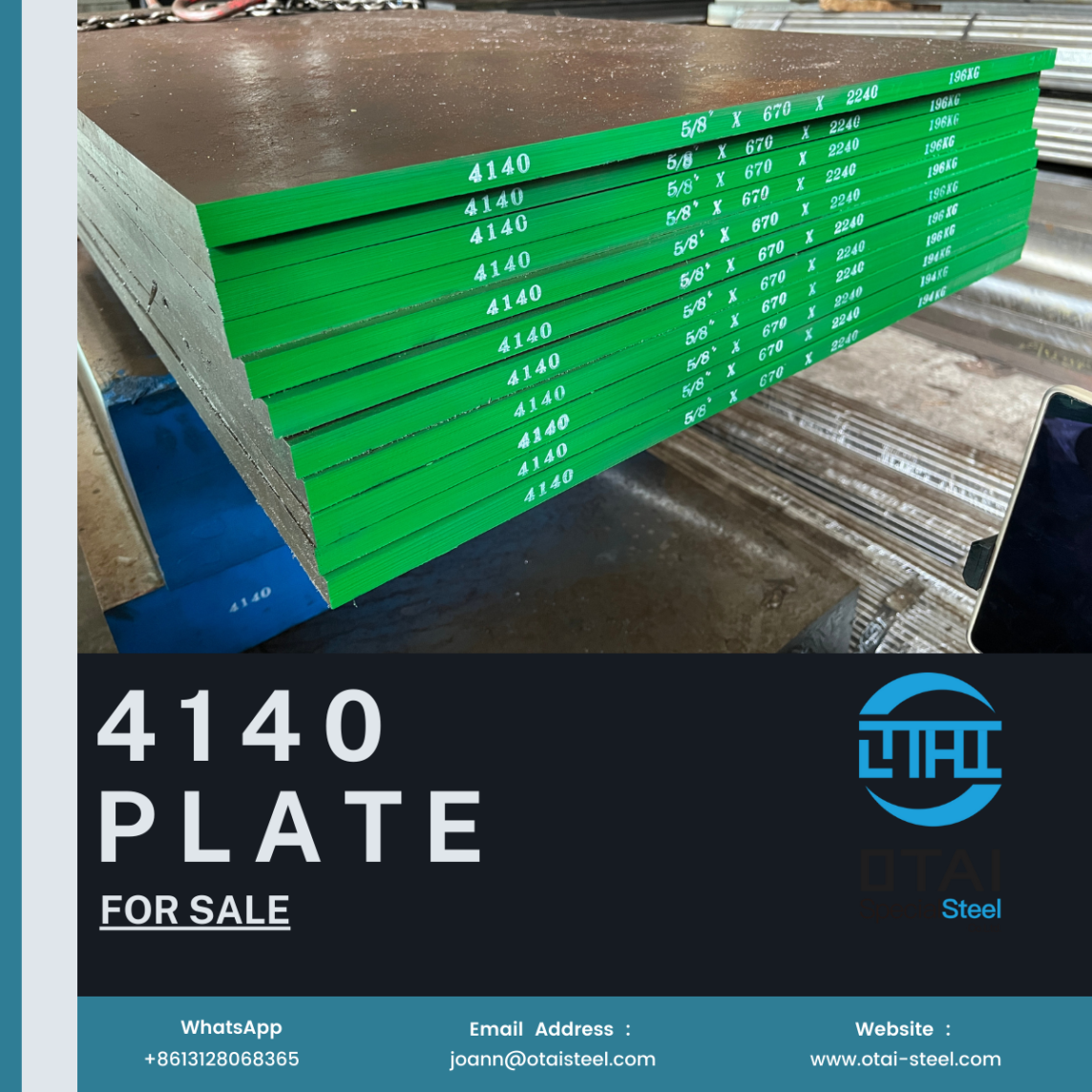
4140-steel-plateApplications o

Automotive Industry
In the automotive sector, AISI/SAE 4140 is widely used for critical components such as axles, crankshafts, and gears. Its high strength and fatigue resistance make it ideal for withstanding the demands of vehicle operation.

Aerospace Engineering
4140 applicate in aerospace where request safety and reliability , AISI/SAE 4140 finds use in components like landing gear parts, structural elements, and engine components. Its combination of strength and toughness enables it to withstand the harsh aerospace environment

Oil and Gas Industry
The harsh environments of the oil and gas industry require materials that can withstand extreme conditions. AISI/SAE 4140 is a favored choice for components like drilling tools, wellhead equipment, and downhole components due to its excellent mechanical properties.

Construction and Heavy Equipment
In construction and heavy equipment manufacturing, AISI/SAE 4140  use for critical load-bearing components like gears, shafts, and connecting rods. Its high strength-to-weight ratio and durability make it an indispensable material in this industry.

Advantages AISI/SAE 4140 STEEL

Versatility: Its adaptability across various industries and applications make it a versatile material choice.

Cost-Effective: Despite its exceptional properties, AISI/SAE 4140 with competitive price, offering a cost-effective solution for many engineering projects.

Longevity: Components made from AISI/SAE 4140 tend to have a longer service life, reducing maintenance and replacement costs.

Machinability: Its machinability ensures that manufacturing processes are efficient and cost-effective.

Conclusion

AISI/SAE 4140 steel is a powerhouse material in the engineering world, prized for its exceptional properties and versatility across various industries. Its high tensile strength, excellent fatigue resistance, and heat treatability make it a top choice for critical applications. From automotive to aerospace, oil and gas to construction, AISI/SAE 4140 plays a crucial role in shaping modern engineering solutions.

FAQs

1. What does  4140 steel stand for?

AISI/SAE 4140 is a chromium-molybdenum steel known for its high tensile strength and toughness. The numbers in its name represent the carbon and molybdenum content, respectively.

2. How is  4140 steel used in the automotive industry?

AISI/SAE 4140 steel finds extensive use in the automotive sector for critical components like axles, crankshafts, and gears due to its high strength and fatigue resistance.

3. Can  4140 steel be heat-treated?

Yes, AISI/SAE 4140 steel responds well to heat treatment, allowing for a wide range of hardness levels to achieve, enhancing its versatility in various applications.

4. What are the advantages of using AISI/SAE 4140 steel in aerospace engineering?

In aerospace applications, AISI/SAE 4140’s combination of strength and toughness makes it ideal for components like landing gear parts, structural elements, and engine components, ensuring safety and reliability.

5. Is AISI/SAE 4140 steel cost-effective?

Despite its exceptional properties, AISI/SAE 4140 steel with competitive price, offering a cost-effective solution for many engineering projects, making it a popular choice across industries.


0 Continue Reading →

Compare the difference of A36 and 4140 steel

A36 and 4140 steel are two distinct types of steel with unique properties and applications. To begin with, understanding their differences is crucial for selecting the right material for specific projects. In this comparison, we’ll delve into the characteristics, applications, and advantages of both A36 and 4140 steel.

Chemical Composition

  • A36 Steel:
    • Carbon (C): 0.25%
    • Manganese (Mn): 1.03%
    • Phosphorus (P): 0.04%
    • Sulfur (S): 0.05%
    • Silicon (Si): 0.4%
    • Copper (Cu): 0.2%
  • 4140 Steel:
    • Carbon (C): 0.38-0.43%
    • Manganese (Mn): 0.75-1.00%
    • Phosphorus (P): 0.035%
    • Sulfur (S): 0.040%
    • Silicon (Si): 0.15-0.35%
    • Chromium (Cr): 0.80-1.10%
    • Molybdenum (Mo): 0.15-0.25%

A36-STEEL-PLATEThe Properties of A36 and 4140 Steel 

  • A36 Steel:
    • Tensile Strength: 400-550 MPa (58,000-80,000 psi)
    • Yield Strength: 250 MPa (36,000 psi)
    • Brinell Hardness: 119-162HB
  • 4140 Steel:
    • Tensile Strength: 655-760 MPa (95,000-110,000 psi)
    • Yield Strength: 415 MPa (60,000 psi)
    • Brinell Hardness: 197HB

Different Applications of A36 and 4140 Steel 

  • A36 Steel:
    • A36 steel is commonly used in construction, structural applications, and general fabrication due to its versatility and relatively low cost. Additionally, it finds wide employment in bridges, buildings, and various types of machinery.
  • 4140 Steel:
    • In contrast, 4140 steel is primarily utilized in high-stress applications such as automotive components, gears, axles, and tooling. Furthermore, it proves suitable for parts subjected to high levels of wear and tear.

A36 and 4140 steel plate Heat Treatment

  • A36 Steel:
    • Not heat-treatable. It undergoes a mild cold-working process to improve its mechanical properties.
  • 4140 Steel:
    • Can be heat-treated to achieve a range of hardness levels, making it highly adaptable for specific applications.

Weldability 

  • A36 Steel:
    • Easily weldable, making it suitable for a wide range of applications.
  • 4140 Steel:
    • More challenging to weld due to its higher carbon content. Preheating and careful selection of welding procedures are crucial.

Cost Considerations

  • A36 Steel:
    • Relatively economical, making it a popular choice for general-purpose applications.
  • 4140 Steel:
    • Moderately more expensive than A36 due to its alloying elements, but provides superior performance in high-stress environments.

4140 steel plate Conclusion

In summary, A36 and 4140 steel cater to different industries and applications. A36 is versatile and widely used in construction, while 4140 excels in high-stress scenarios, thanks to its impressive strength and heat-treatable properties. Choosing between them depends on the specific requirements of the project.

FAQs

  1. Can A36 steel be heat-treated?
    • No, A36 steel is not considered a heat-treatable material.
  2. What industries commonly use 4140 steel?
    • 4140 steel finds applications in automotive, aerospace, and oil and gas industries, among others.
  3. Is 4140 steel more expensive than A36?
    • Yes, 4140 steel tends to be moderately more expensive due to its alloying elements.
  4. What are the primary advantages of A36 steel?
    • A36 steel is known for its versatility, ease of welding, and cost-effectiveness.
  5. Can 4140 steel be welded?
    • Yes, 4140 steel can be welded, but it requires specific procedures and precautions due to its higher carbon content.

A36 and 4140 steel both are stock steel in Otai special steel , if you want to know more details about the application and performance of A36 and 4140 steels , pls feel free contact us.

Contact : Joann /E-mail:joann@otaisteel.com /WhatsApp:+8613128068365

Our main Website:http://www.otaisteel.com

0 Continue Reading →

4140 Alloy Steel

4140 steel is a low-alloy steels and mainly composition are chromium, molybdenum, and manganese and others

Composition and Properties

C Si Mn S P  Cr Mo  Ni  V
4140 0.38-0.43 0.15-0.35 0.75-1.00 ≤0.040 ≤0.035 0.80-1.10 0.15-0.25 / /

Heat Treatment

One of the important characteristics of 4140 steel is its adaptability to heat treatment. By adjusting it to specific heating and cooling processes, its hardness and toughness can  fine-tuned to suit a wide range of applications.

Applications of 4140 alloy steel

4140 alloy steel round bar

4140 steel is widely used in various industries. It used to manufacture components in aerospace, automotive, oil and gas, construction and other fields. Its wide applicability makes it a prior choice material for engineers and factories.

Advantages of 4140 alloy steel

4140 steel offers a multitude of advantages that make it a preferred choice in various industries:

Exceptional Strength: With its high tensile strength and hardness after heat treatment, 4140 steel can withstand heavy loads and resist deformation.

Toughness: It has very good toughness, absorbing energy while not easily cracking or breaking, making it suitable for impact-resistant applications.

Versatility: The adaptability to heat treatment makes 4140 steel with a better of mechanical properties, making it suitable for diverse applications in a wide use situation.

Machinability: Unlike some other high-strength alloys, 4140 steel machine relatively easily, reducing production time and costs.

Cost-Effective: Considering its performance attributes, 4140 steel represents a cost-effective option for many applications.

Limitations and Considerations of 4140 alloy steel

4140 alloy steel plate While 4140 steel offers a host of advantages, it’s important to  aware of its limitations:

Weldability Challenges: Although it can welded, it requires specific techniques and considerations, and may not be as straightforward as other materials.

Corrosion Resistance: While it does have some resistance, 4140 steel is not classified as a stainless steel and may require additional measures for highly corrosive environments.

Specific Heat Treatment Required: To fully harness its potential, 4140 steel must undergo precise heat treatment processes, which may not feasible for all applications.

In conclusion

In conclusion, 4140 alloy steel is an excellent material with a wide range of applications in various industries. Its combination of strength, toughness, workability and cost-effectiveness makes it the first choice of many engineers and factories. However, considering that some of its aspects require special conditions, such as heat treatment and welding technology requirements, it is crucial for 4140 alloy steel to realize its potential.

FAQs about 4140 alloy steel

Q1. How is 4140 steel typically used in the aerospace industry?

A1. In aerospace applications, 4140 steel is often utilized to manufacture components like landing gear, engine parts, and structural elements due to its high strength-to-weight ratio.

Q2. Can 4140 steel be used in corrosive environments without additional treatment?

A2. While it does have some corrosion resistance, for highly corrosive environments, additional protective coatings or treatments may be necessary.

4140-plateQ3. What is the process of heat treating 4140 steel?

A3. Heat treating 4140 steel involves heating it to a specific temperature, holding it at that temperature, and then cooling it at a controlled rate to achieve the desired mechanical properties.

Q4. Are there alternatives to 4140 steel for applications requiring high strength and toughness?

A4. Yes, there are other high-strength alloys that can replace 4140 steel under certain conditions, such as 4340 steel, which we have mentioned in previous articles.

Please  consult the  professional engineer or manufacturer to select a proper  materials if you requested  used in  a  special occasions or conditions . If you would like to know whether the 4140 is suitable for your needs, please feel free to ask us.

Or you can visit our main website: http://www.otaisteel.com

Contact: Joann E-mail:+8613128068365 WhatsApp:+8613128068365

0 Continue Reading →


Recent Comments by Joann

    No comments by Joann