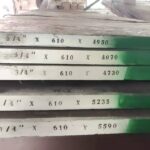
Ever feel like your tools are just one impact away from a catastrophic crack? You are not alone.
In the world of stamping and shearing, brittle tools are a nightmare. They shatter, ruin your production schedule, and frankly, they cost you a fortune in downtime. That is where S1 Steel steps into the ring.
Think of S1 as the “Bodyguard” of the tool steel world. It doesn’t just sit there looking hard; its job is to take the punch—literally—and ask for more. At Dongguan Otai Special Steel, we see this material save our clients’ operations every day. Let me break down why this specific grade might just be the hero your workshop needs.
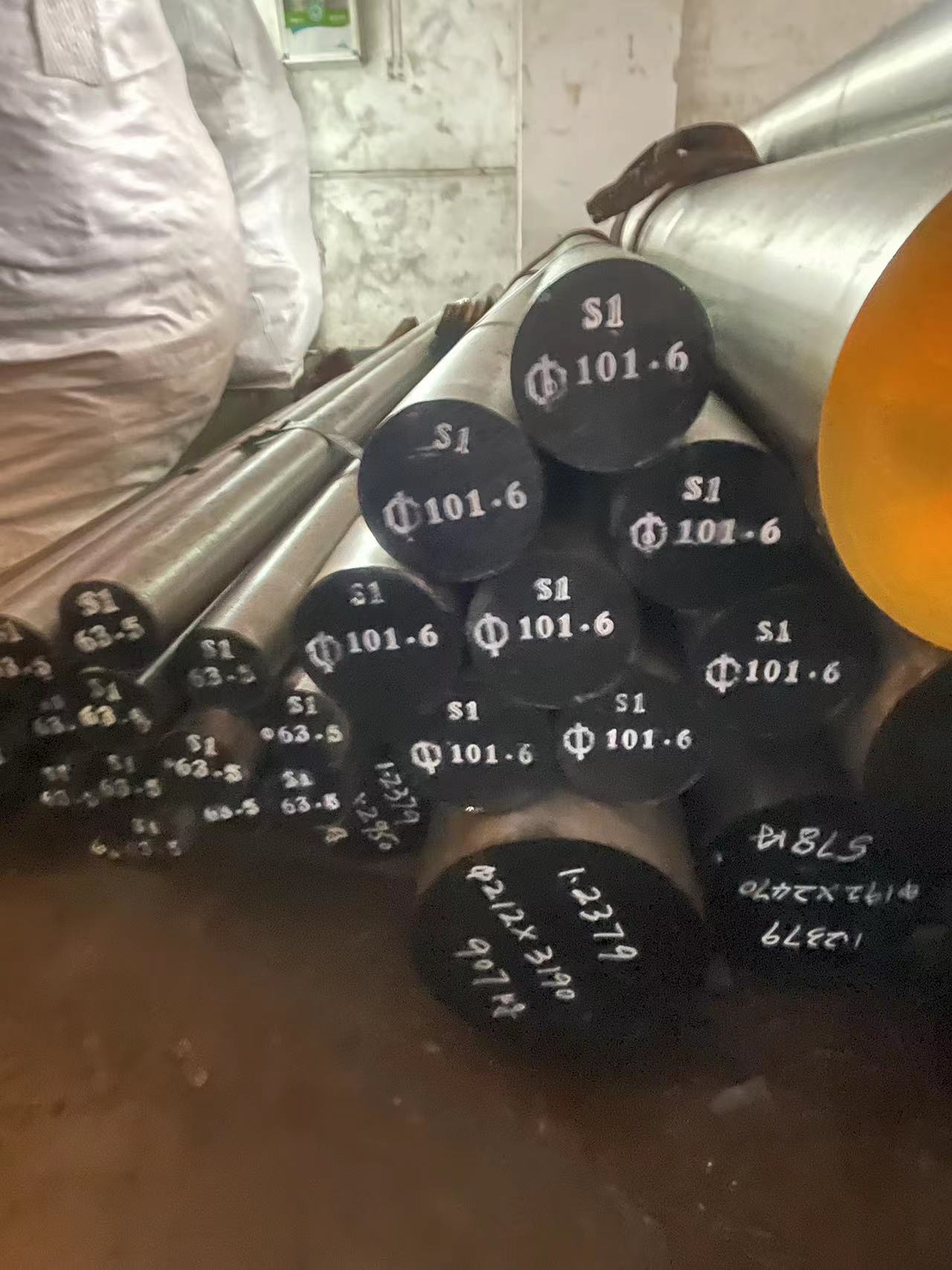
What Exactly is S1 Steel?
In technical terms, S1 is a Shock-Resisting Tool Steel. But let’s ditch the jargon for a second.
While other steels focus on being hard as glass (and sadly, just as breakable), S1 focuses on Toughness. It has a specific recipe of alloys designed to absorb vibration, heavy impact, and sudden loading without falling apart.
Under the hood (or the microscope), this is what the chemistry looks like according to ASTM A681 standards :
| Element | Percentage (%) | What it does for you |
|---|---|---|
| Carbon (C) | 0.40 – 0.55 | The backbone – gives it the hardness needed to cut. |
| Silicon (Si) | 0.15 – 1.20 | The shock absorber – boosts strength and fatigue resistance. |
| Chromium (Cr) | 1.00 – 1.80 | The endurance coach – adds hardenability and wear resistance. |
| Tungsten (W) | 1.50 – 3.00 | The secret weapon – prevents softening from heat and friction. |
| Vanadium (V) | 0.15 – 0.30 | The grain refiner – keeps the microstructure tight and tough. |
Equivalent steel grade for S1 steel
| USA | Germany | China | Japan | France | England | Italy | Russia | Czechia | Austria | Sweden | Spain |
| – | DIN,WNr | GB | JIS | AFNOR | BS | UNI | GOST | CSN | ONORM | SS | UNE |
| S1 | 45WCrV7 | 1.2542 | 5CrW2Si‑V | L2 | 45WCrV8 | 2542 BS1 |
45WCRB8KU | 5ХВ2СФ | 19732 | 2710 | 45WCRSI8 |
The “Aha!” Moment: Where S1 Steel Beats the Others
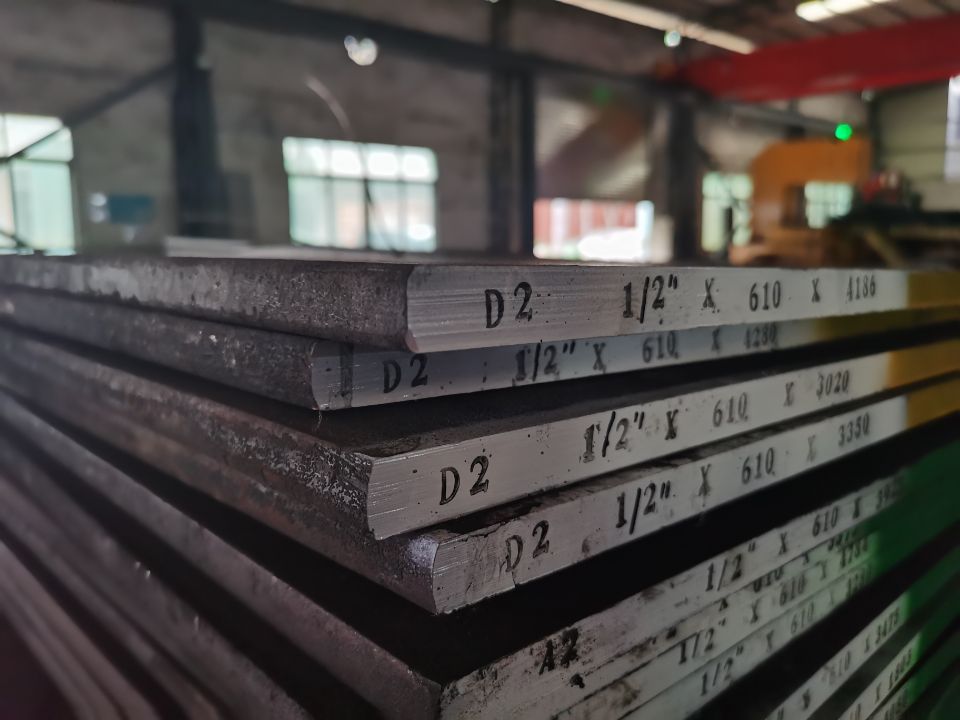 So, why choose S1 over something like D2 or O1? Simple.
D2 steel is like a ceramic plate—super hard, great for wear, but drop it and it’s in a million pieces.
S1 steel is like a rubber tire**—tough, resilient, and able to take a beating. It resists deformation and chipping at a level that high-carbon steels just can’t touch.
You get a working hardness of 56-60 HRC. That is plenty hard enough to cut metal sheeting or shape wood, but with a ductility that makes machining and heat treatment a breeze.
Where Does S1 Steel Actually Work?
Because of this “take-a-hit” attitude, S1 is the gold standard for tools that experience sudden impact. You will find S1 steel excelling in roles where other steels fear to tread .
– Pneumatic Tools: Think chisels, rivet snaps, and breaker tool bits. These live a life of constant vibration.
– Shear Blades: For cutting scrap metal or cropping bars. The blades take a massive shock with every cut.
– Cold Forming Dies: Punches and dies that slam into metal hundreds of times a minute.
– Woodworking: Shock-resistant knives for planing hardwood knots.
The Practical Stuff: Sizes, Prices, and Availability
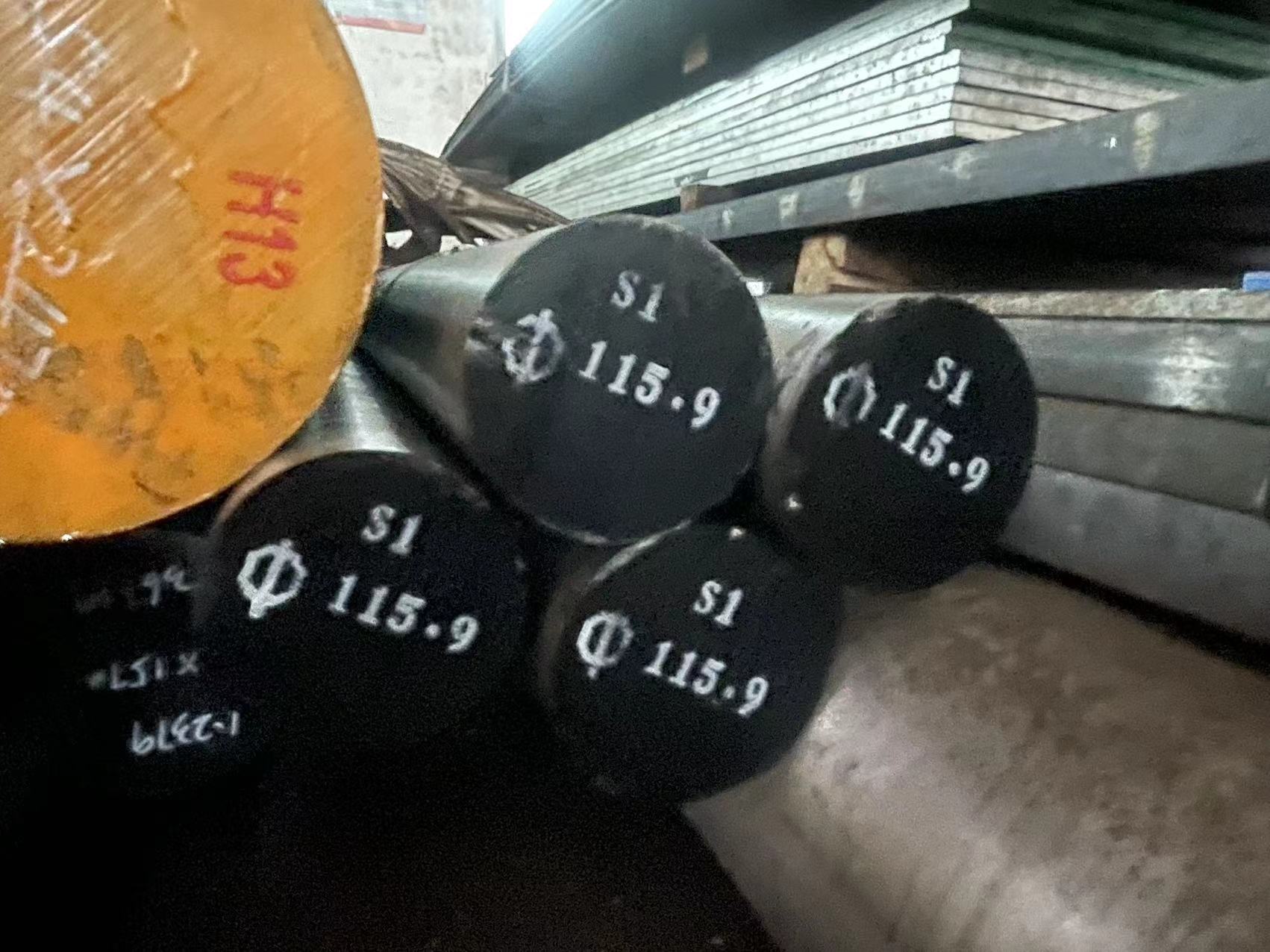
At Otai, we don’t just sell certificates; we sell steel you can use. We keep a massive inventory of S1 steel (also known internationally as DIN 1.2554 or 45WCrV7) ready to ship.
Available Forms & Dimensions:
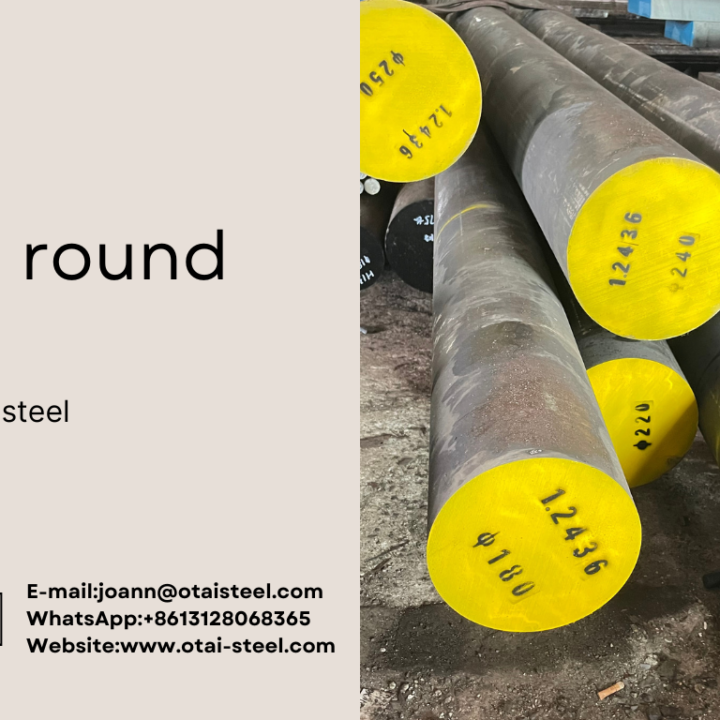
– Round Bar: Usually in the range of 16mm to 800mm diameter. Perfect for punches and rods.
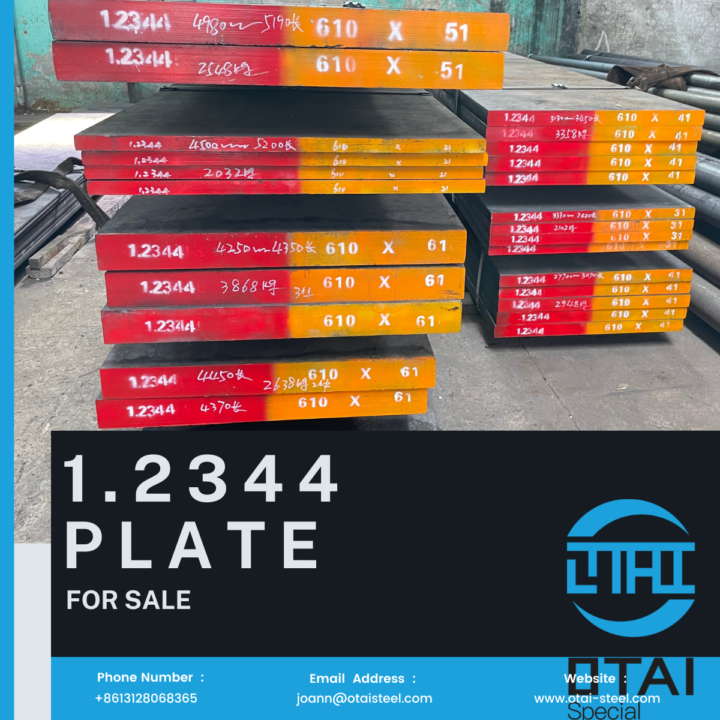
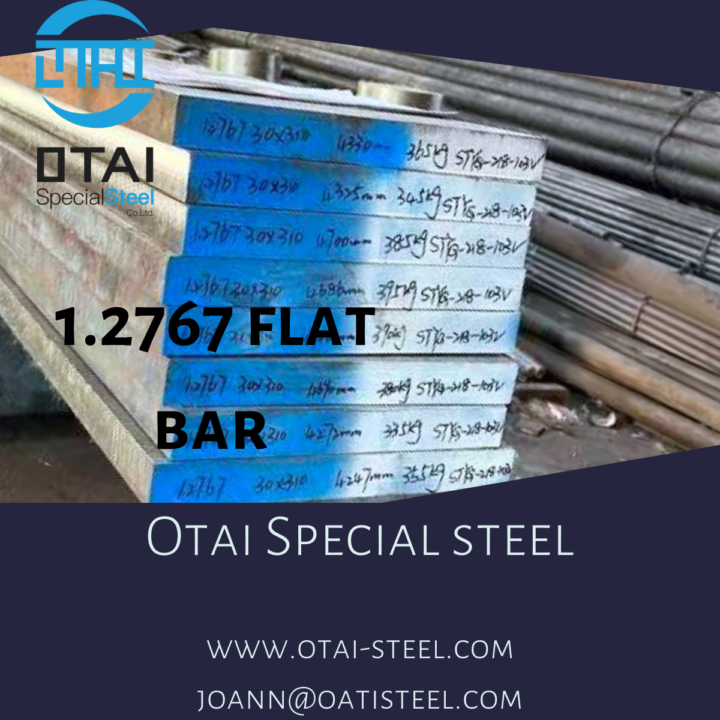
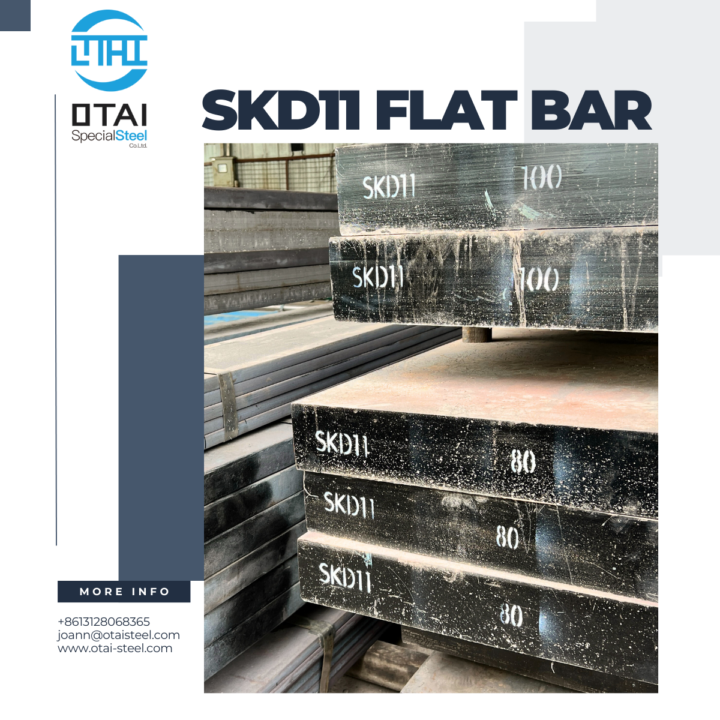
– Flat Bar / Plate: Thickness from 10mm to 600mm, width up to 910mm. Ideal for shear blades and dies .
A Note on Price:
Because S1 contains Tungsten (which is a dense, high-cost alloy), it sits at a moderate price point. It is certainly more expensive than plain carbon steel, but here is the kicker: it is significantly cheaper than high-speed steels (like M2) in the long run. Why? Because the reduced risk of catastrophic failure means you save money on emergency repairs and lost production time.
Heat Treatment Made Simple
One of the best parts about S1? It is very forgiving.
– Annealing: Heat to 750°C – 800°C (1382°F – 1472°F), cool slowly in the furnace.
– Hardening: Pre-heat to 650°C – 700°C, then raise to 900°C – 950°C (1652°F – 1742°F).
– Quenching: Oil quench is standard (or air for thinner sections).
– Tempering:Temper immediately. For that sweet spot of 56-58 HRC, hit a double temper at 400°F – 600°F .
The Bottom Line (And a Quick Ask)
Look, if you are shearing soft materials or punching delicate holes, maybe you don’t need S1. But if you are tired of hearing that “CRACK” sound when your punch hits a hard spot in the material—you need S1 steel.
At Dongguan Otai Special Steel, we specialize in providing steel that solves problems, not creates them. We can cut S1 to your exact length, grind it to your tolerance, and get it to your door before you run out of patience.
Are you currently fighting with chipping or breaking tools? Shoot us a message with your application. Let’s see if S1 is the right bodyguard for your machine.
Contact Otai Special Steel today. Let’s get your tools working harder and smarter.