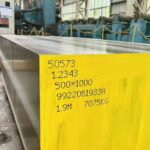
Choosing the right steel for your tooling application isn’t just a technical decision; it’s a business decision that impacts your production efficiency, tool life, and bottom line. When it comes to hot work tool steels, two grades consistently emerge as industry leaders: DIN 1.2344 and DIN 1.2343 (commonly known as AISI H13 and H11). They are vary similar , key differences in their composition and performance characteristics set them apart.
This post is designed to give you a clear, no-nonsense understanding of these two materials, helping you make the optimal choice for your specific application.
The Carbon Content Distinction
Think of these two steel grades both possess the inherent toughness and heat resistance of chromium hot-work tool steels. However, the major distinction lies in one critical element: Vanadium.
-
1.2344 (H13) contains higher vanadium content (0.85-1.15%) , which acts as a powerful grain refiner and carbide former.
-
1.2343 (H11) has much lower vanadium content (0.25-0.50%) .
Chemical Composition 1.2344 vs 1.2343 steel
Let’s move beyond generic descriptions and get to the hard numbers. Here is a detailed breakdown of the chemical composition comparison for these two steel grades:
| Element | 1.2344 (AISI H13) | 1.2343 (AISI H11) |
|---|---|---|
| Carbon (C) | 0.37-0.43% | 0.33-0.41% |
| Silicon (Si) | 0.90-1.20% | 0.80-1.20% |
| Chromium (Cr) | 4.80-5.20% | 4.80-5.50% |
| Molybdenum (Mo) | 1.20-1.50% | 1.10-1.50% |
| Vanadium (V) | 0.90-1.10% | 0.30-0.50% |
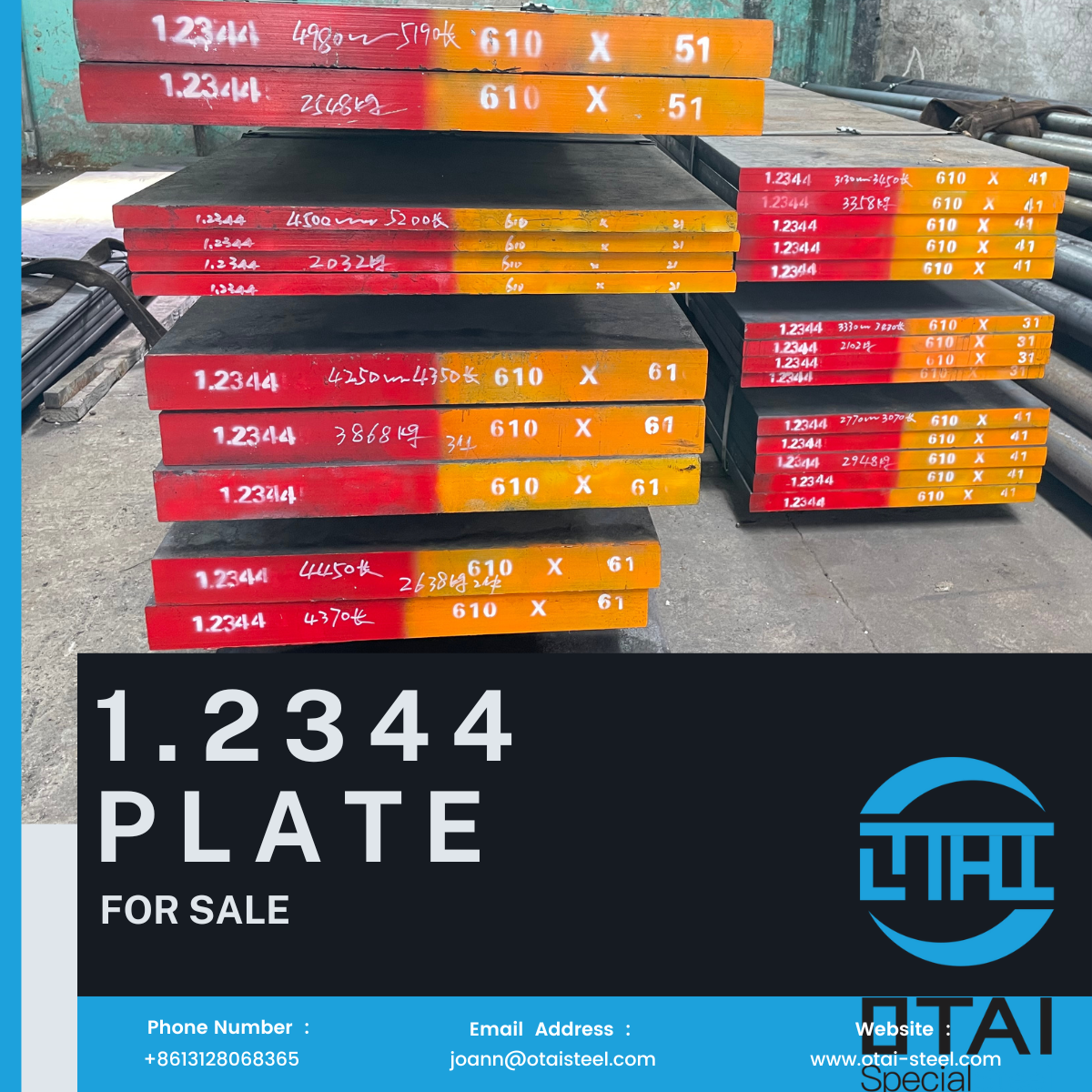 Performance Properties 1.2344 vs 1.2343 steel
How do these chemical differences translate to real-world performance?
Wear Resistance
1.2344 takes the lead here. The higher vanadium content creates hard vanadium carbides that provide superior resistance to abrasive wear and erosion . This makes it the champion for applications where the tool surface is subjected to constant friction against hot metal.
Toughness
1.2343 is the toughness specialist. With lower carbon and vanadium, it has a finer, more uniform carbide structure, which translates to greater ductility and resistance to thermal fatigue cracking . Think of it as a steel that can bend rather than break under high-stress situations.
Heat Resistance
Both grades excel here, but with a slight distinction:
-
1.2344 can resist softening at higher temperatures up to around 600°C .
-
1.2343 excels in maintaining its toughness at high temperatures, but its service temperature is often capped at around 537°C .
A Quick Comparison of Physical Properties
Let’s look at how these steels behave under similar conditions:
| Property | 1.2344 (H13) | 1.2343 (H11) |
|---|---|---|
| Density (g/cm³) | 7.78 | 7.80 |
| Thermal Conductivity (W/m·K) | 25.0 | 25.0 |
| Modulus of Elasticity (GPa) | 210 | 215 |
| Tempering Hardness (Typical) | 45–52 HRC | 45–50 HRC |
Applications 1.2344 vs 1.2343 steel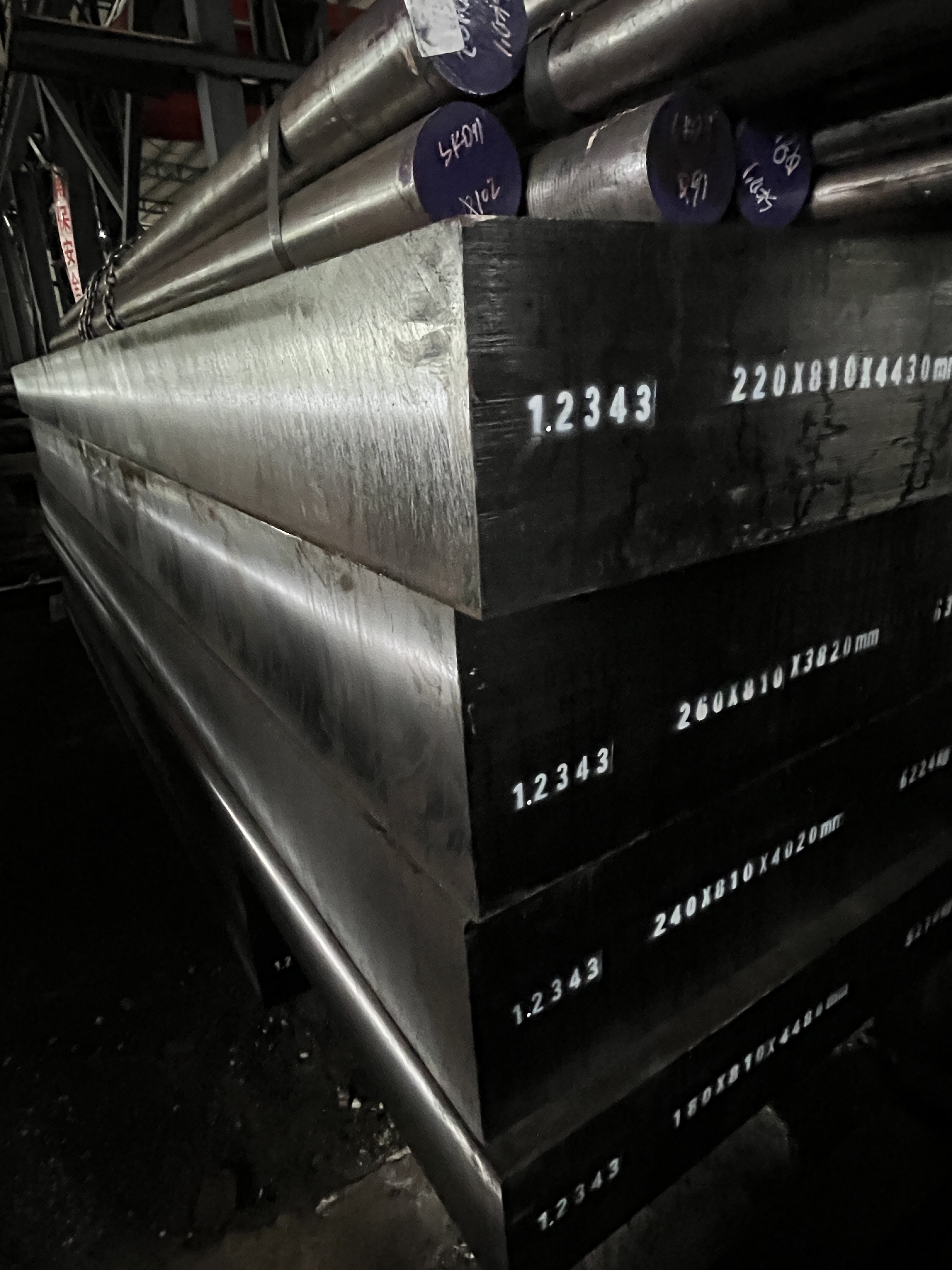
So, which one should you choose?
Choose 1.2344 (H13) If Your Application is:
-
Aluminum and Zinc Die Casting: The dies for these high-pressure applications require high thermal fatigue resistance and resistance to erosion (heat checking). The high vanadium content of 1.2344 makes it a classic choice for this.
-
Extrusion Dies: For producing aluminum and magnesium profiles, the steel must resist wear and abrasion while withstanding extreme pressure.
-
High-Wear Hot Work Tooling: This includes applications like hot forging dies and punches where surface wear is a primary concern.
Choose 1.2343 (H11) If Your Application is:
-
Highly Stressed Structural Parts: This grade is often found in demanding engineering applications, including aircraft landing gear, due to its exceptional toughness.
-
Hot Forging Tools for Light Metals: Its excellent ductility makes it ideal for tools that are subject to heavy impact forces.
-
Tools Requiring Maximum Toughness: If your tool is prone to cracking or chipping in service, 1.2343 offers a significant advantage.
-
Mandrels, Punches, and Dies: For lighter-duty applications where toughness is paramount over wear resistance.
The Otai Steel Advantage
As a company built on the foundation of being a family-run business, we have the agility and expertise to guide you through the selection, procurement, and application of your tool steel. Our relationships with top-tier mills like Baosteel and Northeast Special Steel allow us to source the highest quality 1.2344 and 1.2343, with options for ESR for the most demanding applications.
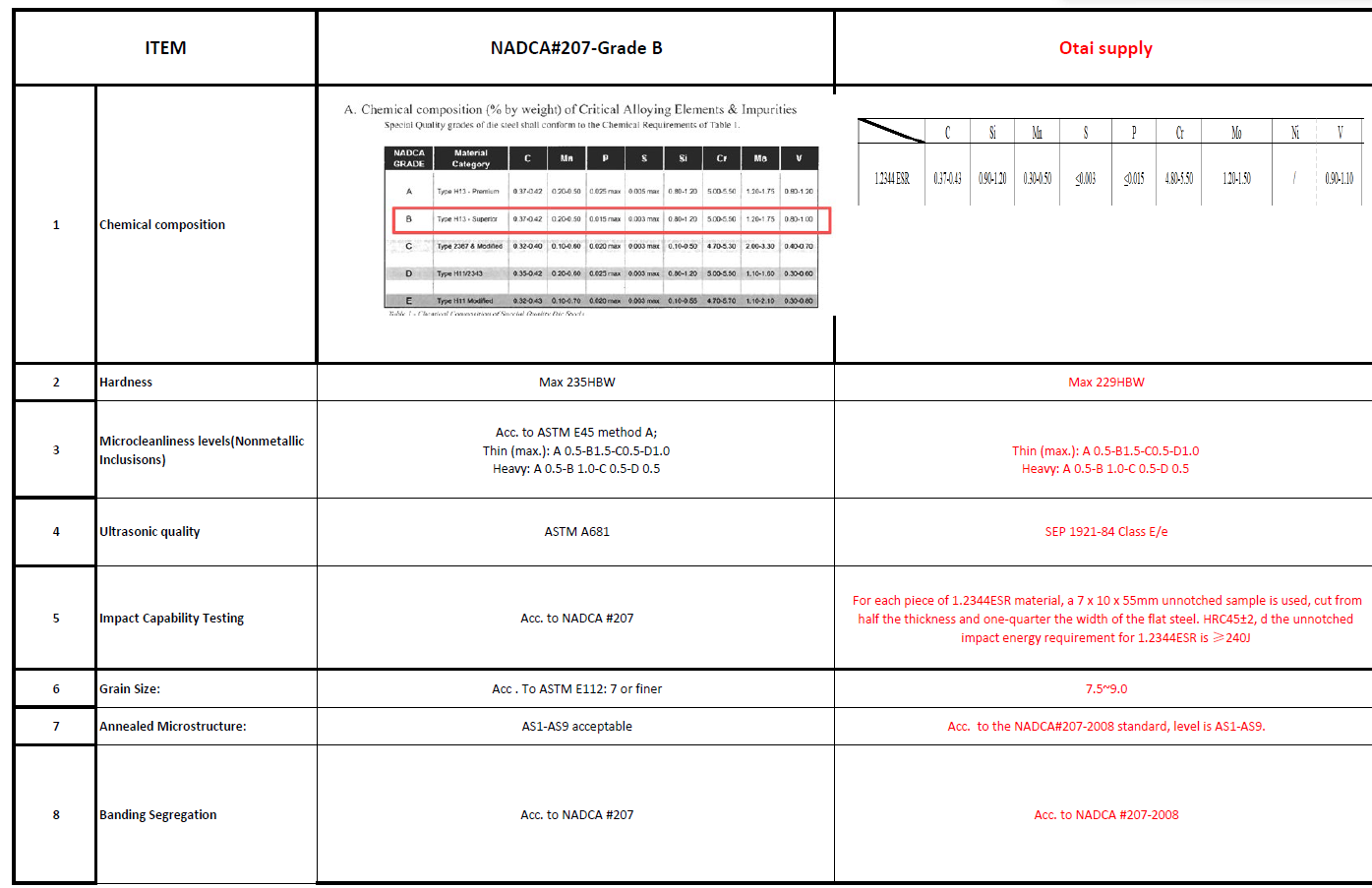
And Otai supply the 1.2344 ESR and 1.2343 ESR material meet the NADCA #207 standard .
 Available Sizes and Forms
We supply these grades in a variety of forms to suit your manufacturing process:
-
Round Bars: Diameters up to 1000mm
-
Flat Bars / Plates: Thickness up to 500mm and width up to 910mm
-
Forged Products: Custom shapes and sizes available
Pricing Consideration
As a general rule, 1.2344 often commands a slightly higher price due to its higher vanadium content and the more complex processing required. However, this cost is typically justified by the extended tool life it provides in high-wear applications, making the overall cost-per-part lower. 1.2343, with its lower alloy content, can be a more economical choice where toughness is the primary requirement.
Conclusion
Ultimately, the choice between 1.2344 and 1.2343 is a strategic decision. Both are excellent materials that excel in hot work applications, and the right choice depends on balancing the need for wear resistance against the need for toughness. By understanding the nuances of these two grades, you can select the steel that will maximize your tool life and production efficiency.
 Name: Joann