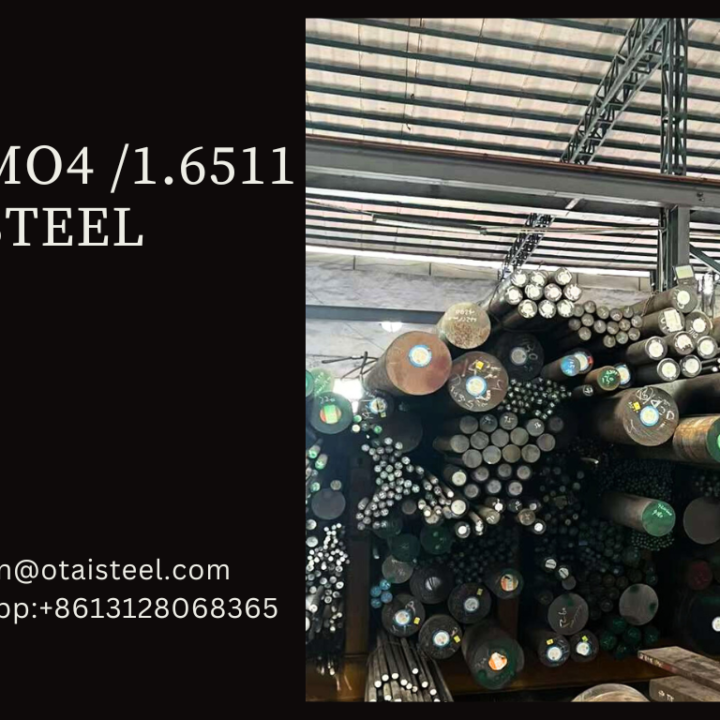
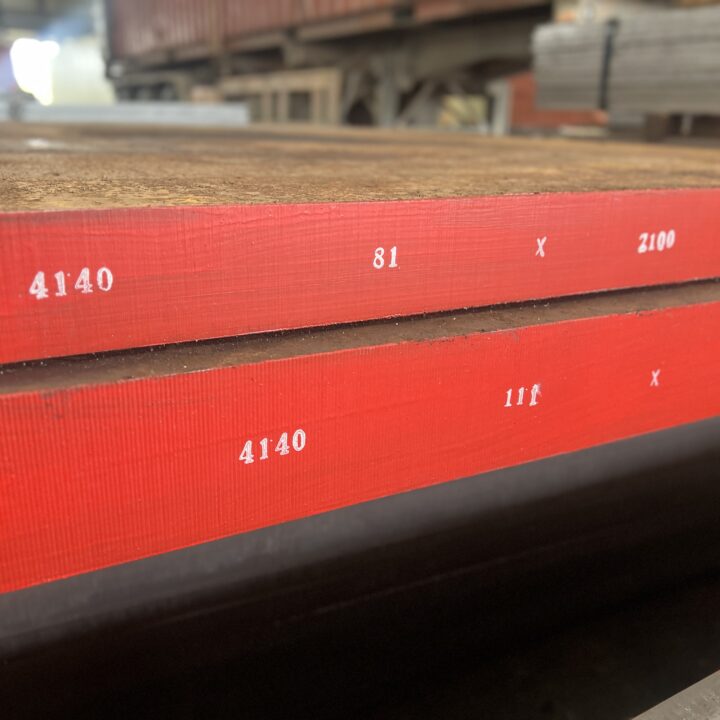
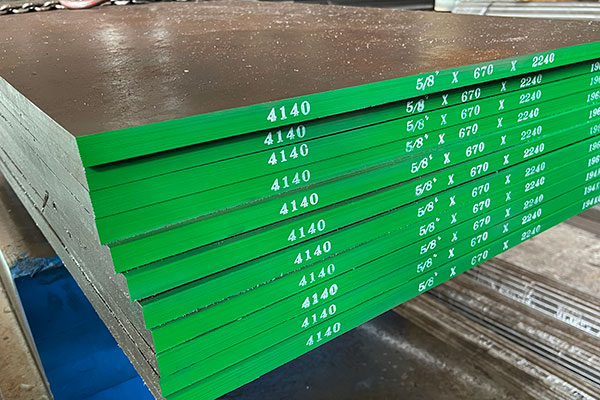
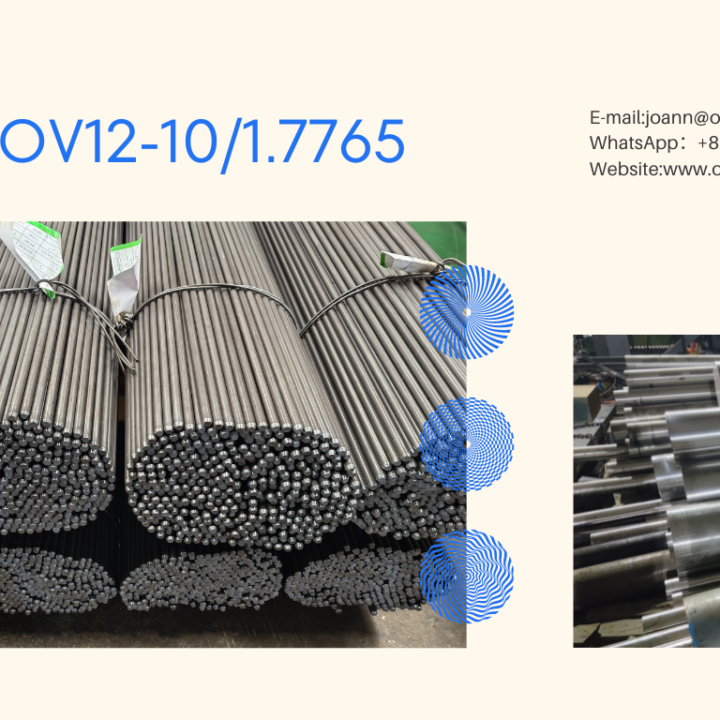
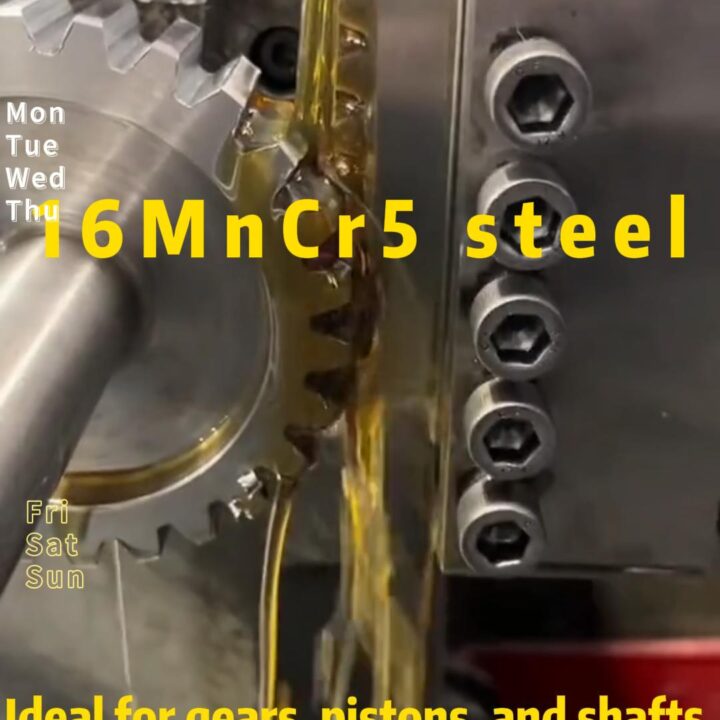
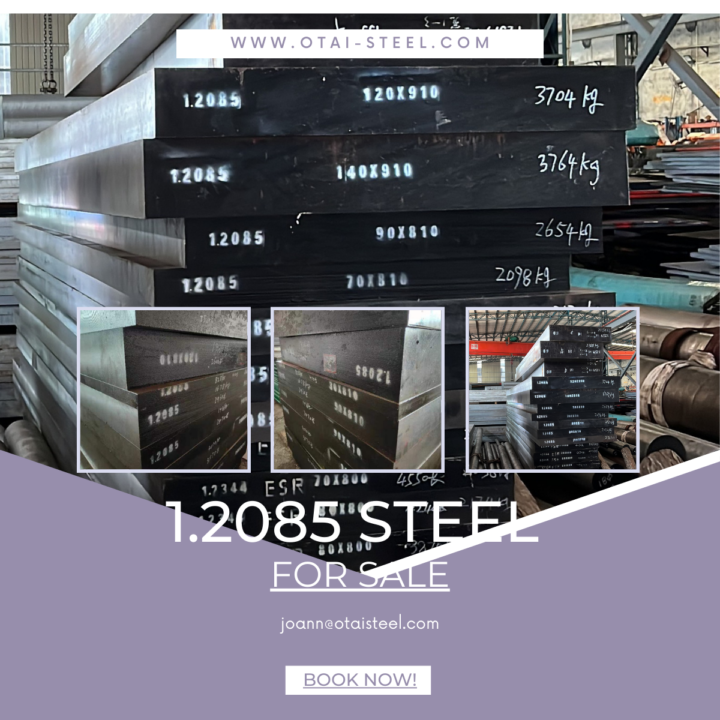
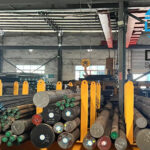
4130 steel is widely used in aerospace field , oilfield, and tooling shops.
Think of 4130 as the reliable pickup truck of the alloy steel world. It isn’t flashy. But when you need to get the job done—without excuses—this is what you reach for.
What Exactly Is 4130 Steel?
4130 is a low-alloy steel containing chromium and molybdenum as its primary strengthening elements. The “41” in the AISI designation tells you it contains approximately 1% chromium and 0.2% molybdenum. The “30” refers to a carbon content of around 0.30%.
Because of this specific chemistry, 4130 offers an excellent combination of strength, toughness, and fatigue resistance. It responds very well to heat treatment, yet remains weldable and machinable in the annealed condition.
In simple terms: you can harden it when you need strength, or leave it soft when you need to cut or bend it. That flexibility is rare.
 Global Standards and Equivalent Grades
If you source steel internationally, you need to know how 4130 steel translates across different standards. Here is the direct comparison:
| Country | USA | BS | BS | Japan | China |
| Standard | ASTM A29 | EN 10250/EN10083 | BS 970 | JIS G4105 | GB/T-3077-2015 |
| Grades | 4130 | 25CrMo4/1.7218 | 708A25/708M25 | SCM430 | 30CrMo |
Chemical Composition of 4130 Steel and equivalent steel
The performance of 4130 steel starts with its chemistry. Every element plays a specific role. Here is the typical composition range:
| Standard | Grade | C | Mn | P | S | Si | Cr | Mo |
| ASTM A29 | 4130 | 0.28-0.33 | 0.40-0.60 | Max 0.035 | Max 0.040 | 0.15-0.35 | 0.80-1.10 | 0.15-0.25 |
| EN10250 /EN10083 |
25CrMo4/ 1.7218 |
0.22-0.29 | 0.60-0.90 | Max 0.025 | Max 0.035 | Max 0.40 | 0.90-1.2 | 0.15-0.30 |
| JIS G4105 | SCM430/ SCM2 |
0.28-0.33 | 0.60-0.85 | Max 0.030 | Max 0.030 | 0.15-0.35 | 0.90-1.2 | 0.15-0.30 |
| GB/T-3077-2015 | 30CrMo | 0.26-0.33 | 0.40-070 | Max 0.030 | Max 0.030 | 0.17-0.37 | 0.80-1.20 | 0.15-0.25 |
Because of this precise blend, 4130 achieves a balance that plain carbon steels simply cannot match. It air-hardens to some degree, but more importantly, it responds predictably to quench-and-temper heat treatment.
Mechanical Properties of 4130 Steel
The numbers below represent typical values for 4130 in different conditions. Always refer to your specific mill test report for exact figures, but this gives you a reliable benchmark.
| Condition | Tensile Strength (MPa) | Yield Strength (MPa) | Elongation (%) | Hardness (HRC) |
|---|---|---|---|---|
| Annealed | 560 – 600 | 360 – 400 | 22 – 28 | ~15 HRC |
| Normalized | 650 – 700 | 430 – 480 | 20 – 25 | ~18 HRC |
| Quenched & Tempered (Low) | 850 – 950 | 700 – 800 | 15 – 20 | 25 – 30 HRC |
| Quenched & Tempered (High) | 1000 – 1150 | 850 – 1000 | 10 – 15 | 32 – 38 HRC |
What does this mean for you?
In the annealed condition, 4130 machines easily and bends without cracking. After heat treatment, it becomes significantly stronger than mild steel—yet it retains enough ductility to absorb shock loads.
That combination is precisely why 4130 dominates applications like roll cages, chassis components, and downhole tools. It doesn’t just resist yielding. It also resists sudden fracture.
Technical Properties: Welding, Machining, and Forming
Knowing the chemistry and strength numbers is one thing. But you probably want to know: How does 4130 steel behave under my tools?
Let me break it down.
Welding
4130 is widely considered the most weldable low-alloy steel in its strength class.
-
No preheat required for wall thicknesses under 4mm (0.160″) when using low-hydrogen practices.
-
Recommended filler metals: ER80S-D2 for TIG/MIG, or E8018-B2 for stick welding.
-
Post-weld heat treatment is generally not required for thinner sections, but stress relieving at 600–650°C improves fatigue life for critical components.
Here is a practical tip: If you weld 4130 steel in the annealed condition, the heat-affected zone will harden slightly. That’s normal. Just keep your interpass temperature below 300°C.
Machining
In the annealed state, 4130 machines about 10–15% harder than 1018 mild steel. But with carbide tooling and proper speeds, it cuts cleanly and produces a good surface finish.
-
Recommended speed for turning: 80–120 SFM with carbide.
-
Feed rates: Similar to medium-carbon steel.
-
Surface finish: Easily achieves 63 microinches or better.
If you need to machine 4130 steel after heat treatment (above 35 HRC), expect shorter tool life and consider CBN or ceramic inserts.
Forming and Bending
Because 4130 has good ductility in the annealed condition, it bends and forms readily. You can cold-bend tube and bar stock with standard equipment. Just avoid sharp radius bends without a mandrel.
For tight radii, warm forming at 400–500°C reduces springback and prevents cracking.
Applications: Where Is 4130 Steel Used?
4130 steel appears in industries where failure is not an option. Here are the most common applications we see at Otai:
| Industry | Typical Components |
|---|---|
| Motorsports | Roll cages, chassis tubing, suspension arms, steering components |
| Aerospace | Aircraft fuselage tubing, engine mounts, landing gear parts |
| Oil & Gas | Downhole drilling tools, subs, crossovers, mandrels |
| Cycling | High-end bicycle frames (Reynolds 525/725 series) |
| Tooling | Punches, dies, tool holders, fixture components |
| Firearms | Receivers, bolts, and barrel nuts |
| General Engineering | Shafts, gears, hydraulic cylinder rods |
If your product experiences vibration, impact, or cyclic loading, 4130 steel is often the most cost-effective solution.
Available Sizes and Forms at Dongguan Otai Special Steel
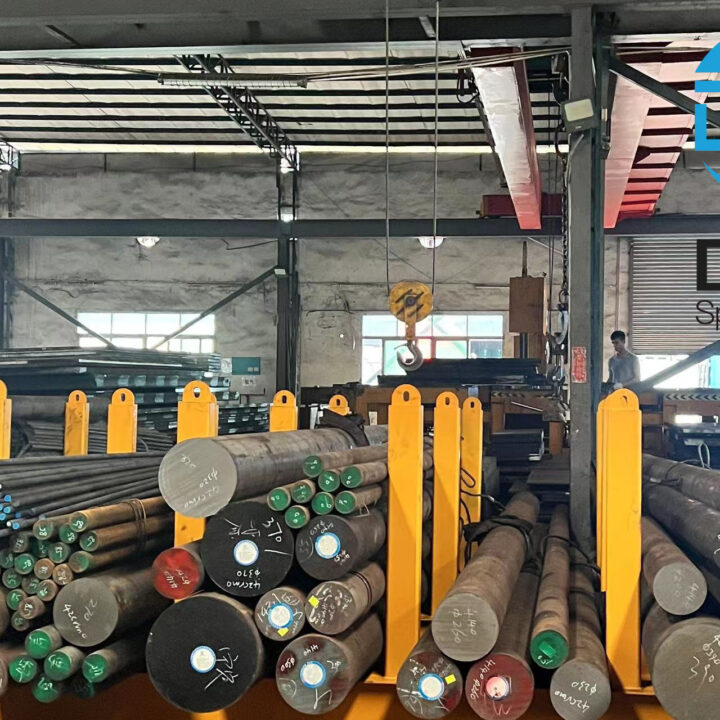
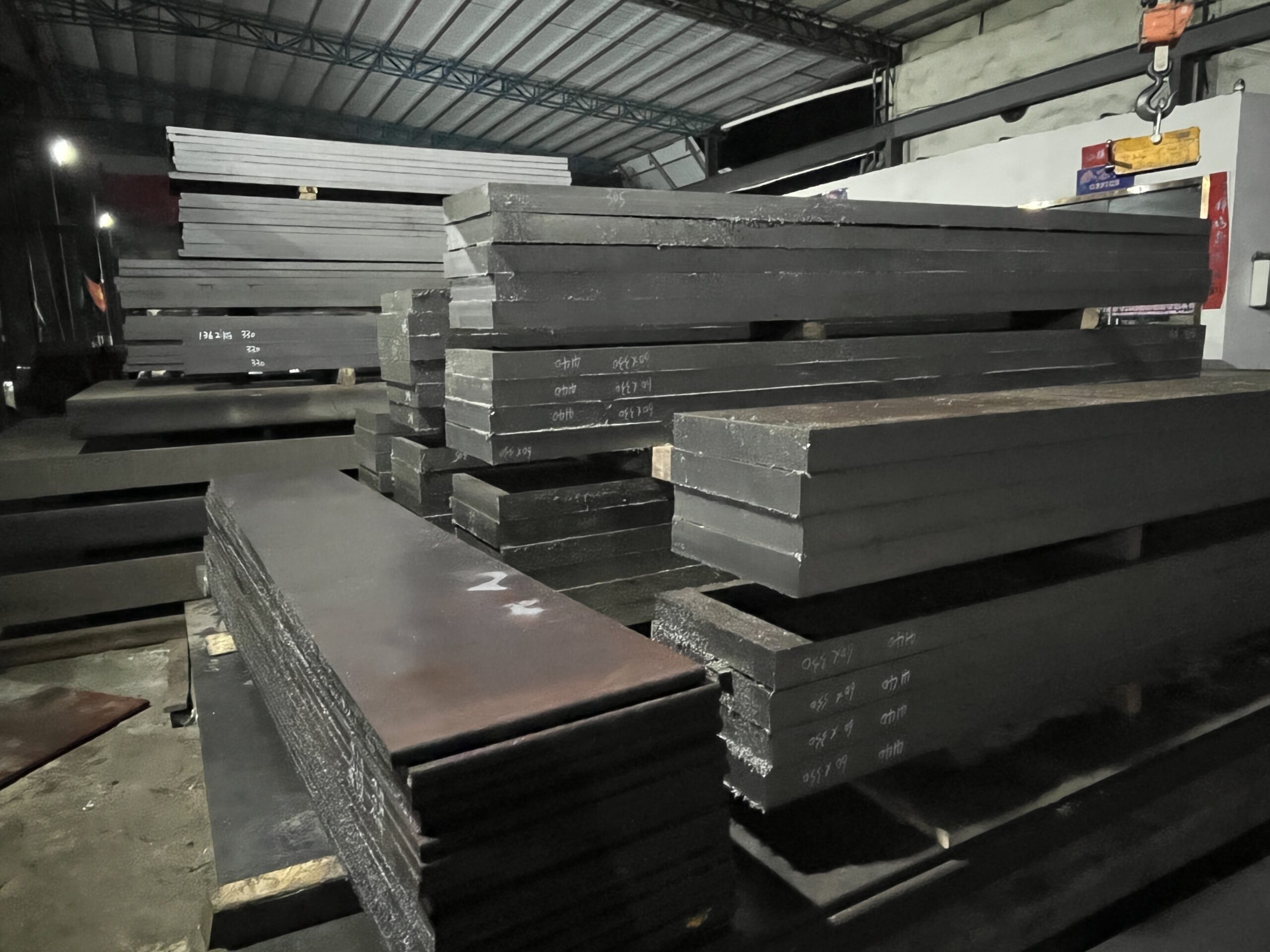
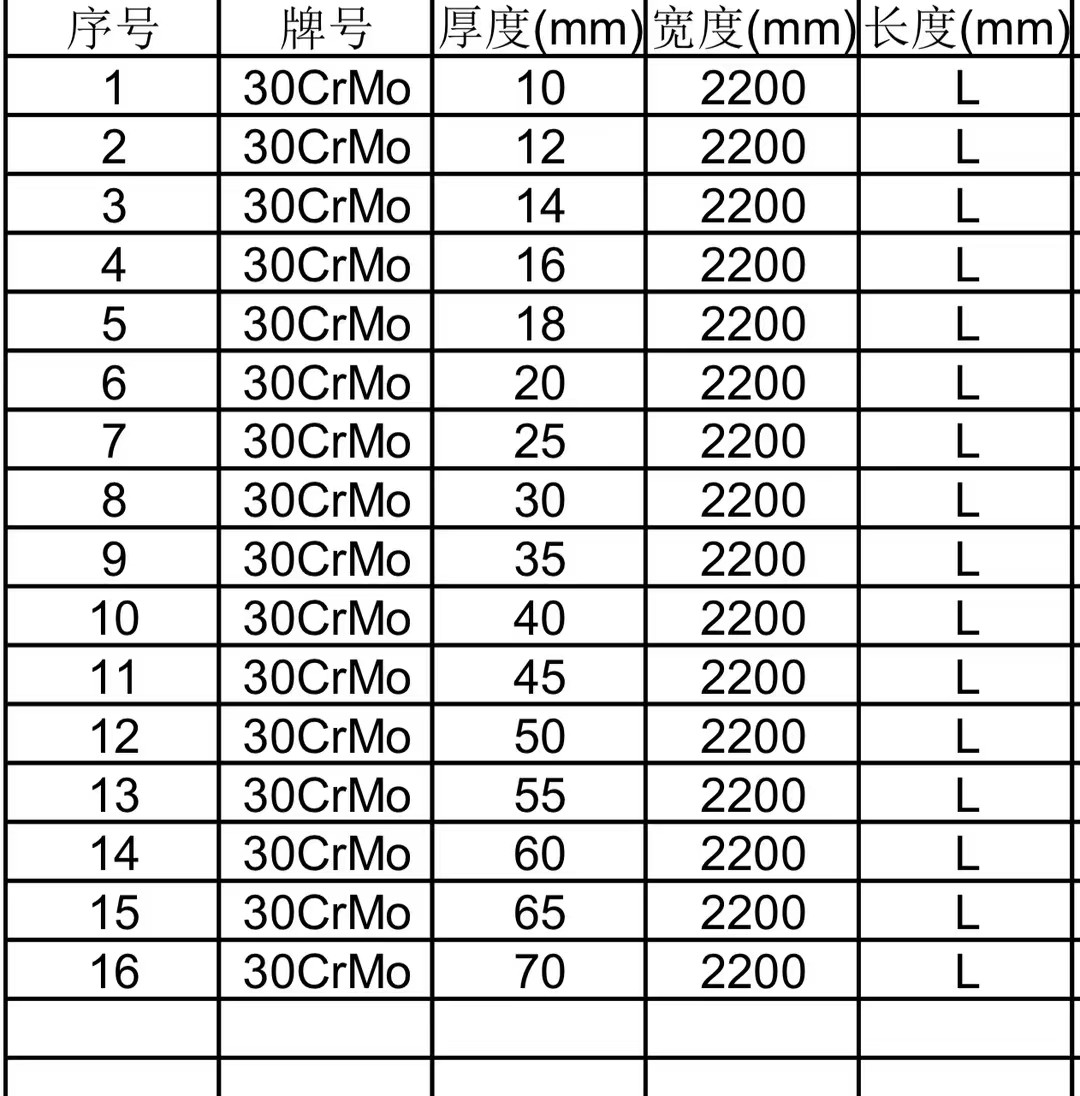
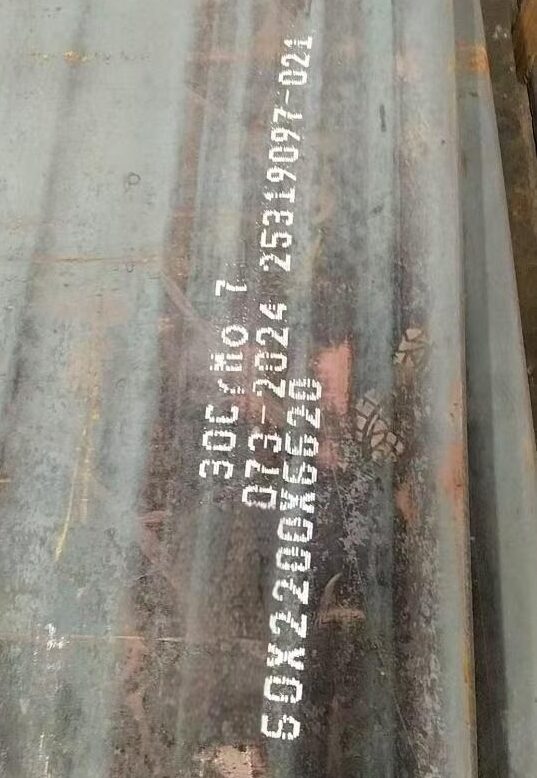
We maintain a large inventory of 4130 steel in multiple forms and dimensions. You don’t have to wait for mill production. We ship from stock.
| Form | Diameter / Thickness | Surface Condition |
|---|---|---|
| Round Bar | 6mm – 800mm | Hot rolled/forged ,
black surface/turning surface; |
| Seamless Tube | 12mm OD – 300mm OD | Hot rolled, black surface |
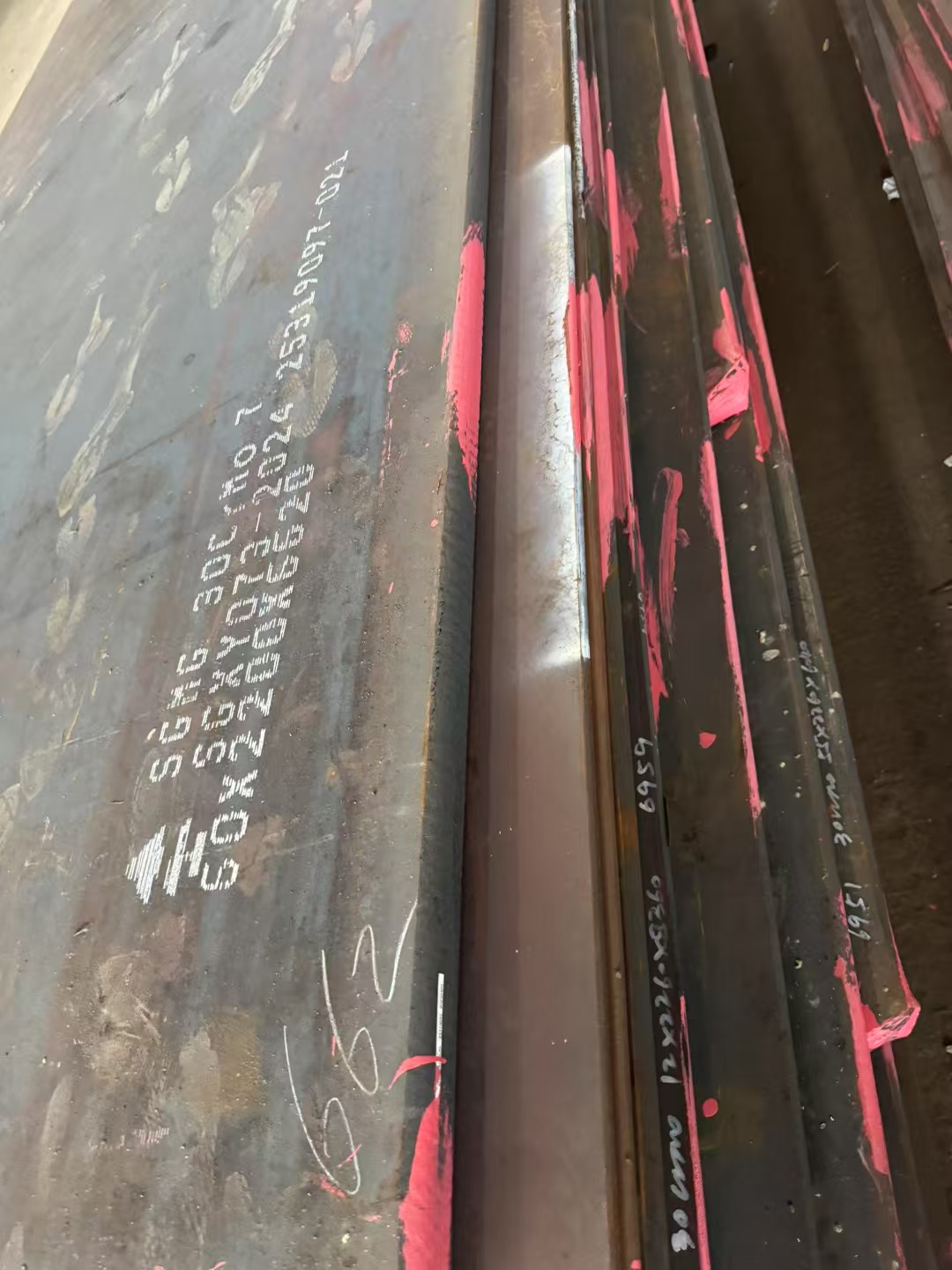
| Flat Bar/Plate / Sheet | 10mm – 70mm thick | Hot rolled, black surface |
Need a custom size? We offer precision cutting, centerless grinding, and turning to your exact specifications.
Price Considerations for 4130 Steel
Let’s address the question everyone asks: How much does 4130 steel cost?
Compared to standard mild steel (A36, Q235, or S235JR), 4130 steel carries a premium of approximately 20–40%. That premium buys you significantly higher strength, better fatigue resistance, and reliable heat treatment response.
Compared to stainless steel or high-alloy tool steels, 4130 steel is substantially more affordable—often half the price or less.
At Otai, our pricing remains competitive because:
-
We buy directly from mills in large volumes.
-
We are based in Dongguan, a global manufacturing hub with lower operating costs.
-
We ship efficiently to ports worldwide.
For an exact price, contact us with your size, quantity, and destination. We respond within 24 hours.
 Why Buy 4130 Steel from Dongguan Otai Special Steel?
You have choices when sourcing 4130 steel. Here is why our customers stay with us:
-
Certified material – Every shipment includes mill test reports.
-
Large stock range – We carry sizes from 6mm round bar up to 800mm.
-
Cut-to-length service – No minimum order quantity for cutting.
-
Technical support – Our engineers answer welding, heat treating, and machining questions.
-
Fast shipping – Export packing and documentation included.
We don’t just sell 4130 steel. We help you use it successfully.
Final Thoughts: Is 4130 Steel Right for Your Project?
Let me leave you with this.
If you need a steel that offers high strength without sacrificing weldability, 4130 steel is difficult to beat. It handles heat treatment well. It machines cleanly in the soft state. And it performs reliably under fatigue and impact.
Is it the cheapest material on the market? No. But if your application involves safety, durability, or cyclic loading, the small upfront premium pays for itself many times over.
Ready to order 4130 steel? Send an inquiry to Dongguan Otai Special Steel. Tell us your dimensions, quantities, and delivery requirements. We’ll send you a quote and a certificate of analysis.