Today, we are peeling back the layers on one of the most misunderstood yet highly utilized engineering steels in the world: DIN 16MnCr5 steel.
If you are in the automotive, heavy machinery, or general engineering sectors, you have likely encountered this grade. But have you ever stopped to consider whether you are truly getting the most out of it? Is the material you are buying today the same quality that the original German standards intended?
Understanding the Standard for DIN 16MnCr5 steel
The designation “16MnCr5” originates from the DIN EN 10084 standard, a benchmark for case-hardening steels originating from Germany. In the world of steel, the name itself tells a story.
-
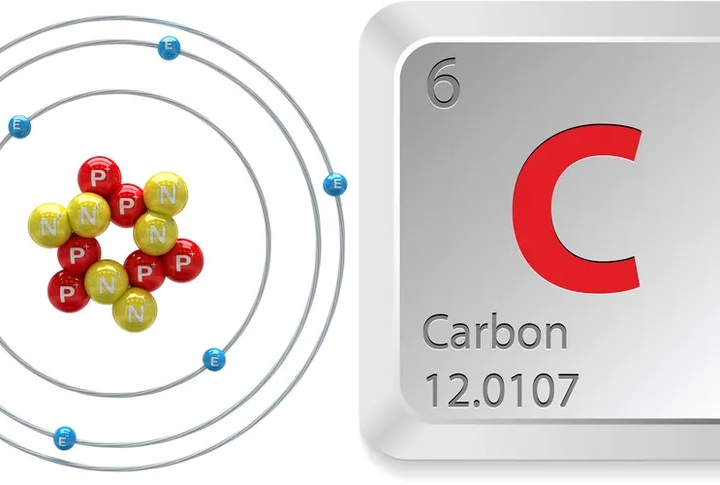
16: Refers to a Carbon content of approximately 0.16%.
-
Mn: Manganese (around 1.10%–1.40%).
-
Cr: Chromium (around 0.90%–1.20%).
-
5: Historically, this indicated the percentage of Chromium in the old system (meaning roughly 1%).
However, the global economy runs on equivalency. If you are looking for a local alternative to the German standard, you are likely searching for the US equivalent, SAE 5115.
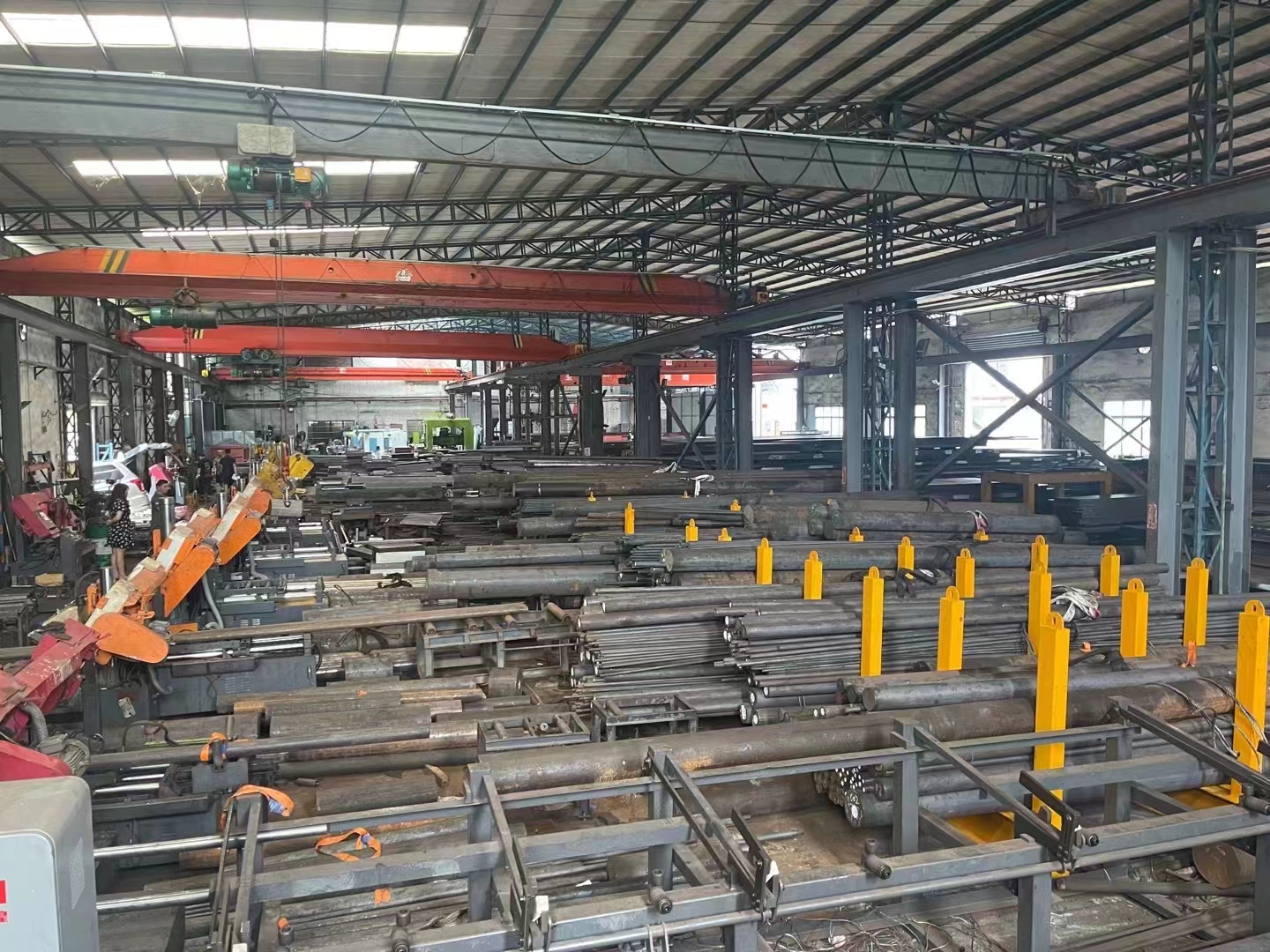 The equivalengt steel grade
| Region | Standard | Grade |
|---|---|---|
| Germany / EU | DIN EN 10084 | 16MnCr5 |
| USA | AISI / SAE | 5115 |
| China | GB/T | 15CrMn /20CrMn |
| Japan | JIS | SCr420H (Approx.) |
| ISO | ISO 683-11 | 16MnCr5 |
The Chemistry: The “Recipe” for Performance
Why does 16MnCr5 perform so well? It is all about the alloying elements. Think of the chemical composition as the recipe for a gourmet meal. The carbon provides the “spice” for hardness, but the Chromium and Manganese are the “cooking oil” and “butter” that make the heat treatment possible.
-
Carbon (C): The primary hardening agent. At ~0.16%, it leaves the steel soft enough for machining but ready to be “supercharged” in the core during carburizing.
-
Manganese (Mn): Increases hardenability and acts as a deoxidizer. It ensures the steel is tough and resistant to wear.
-
Chromium (Cr): This is the “armor.” It increases the depth of hardening, improves corrosion resistance, and strengthens the steel at high temperatures.
Chemical Composition (Typical Values)
| Element | Content (%) |
|---|---|
| Carbon (C) | 0.14 – 0.19 |
| Silicon (Si) | ≤ 0.40 |
| Manganese (Mn) | 1.00 – 1.30 |
| Phosphorus (P) | ≤ 0.025 |
| Sulfur (S) | ≤ 0.035 |
| Chromium (Cr) | 0.80 – 1.10 |
Mechanical & Physical Properties of DIN 16MnC5 steel
Here is where the magic happens—and where many buyers get confused. In its raw, untreated state (soft annealed), 16MnCr5 is relatively gentle. You can machine it, shape it, and drill it with ease.
However, after the case-hardening process (Carburizing + Quenching + Tempering), it transforms. The surface becomes as hard as a rock (up to 62 HRC) while the core retains the ductility of high-strength structural steel.
Imagine it as a medieval knight: the soft core is the knight, offering flexibility and resilience to survive a heavy blow. The hard case is the steel armor, deflecting the sharp blades of wear and friction.
Mechanical Properties (Reference Values)
| Property | Soft Annealed | Case-Hardened (Core) |
|---|---|---|
| Tensile Strength | 600 – 800 MPa | 1,000 – 1,300 MPa |
| Yield Strength | ~ 420 MPa | ~ 800 MPa |
| Elongation | ~ 20% | ~ 12% |
| Hardness | ~ 220 HB | 30 – 42 HRC (Core) / 58-62 HRC (Case) |
Physical Properties
-
Density: ~ 7.85 g/cm³
-
Thermal Conductivity: Moderate. It dissipates heat well, which is crucial for gear teeth that generate friction.
-
Machinability: Excellent in the soft state, similar to that of 1.7131 steel.
The Application of DIN 16MnCr5 Steel
If there is one steel that drives the world, it is this one. 16MnCr5 is the preferred material for the “guts” of moving machinery.
-
Automotive Transmission: Gears, camshafts, and differential gears. When you shift your car, you are relying on the strength of a steel very similar to this.
-
Heavy Industry: Gears for cranes, mining excavators, and conveyors. It handles high torque and heavy loads.
-
Machine Tools: Spindles and worms.
-
Hydraulic Components: Parts that require a wear-resistant surface against a softer, load-bearing core.
What size is available ? And how much ?
At Dongguan Otai Special Steel, we understand that you are not just buying a piece of metal; you are buying reliability. A gear tooth that chips due to poor material quality could cost you thousands in downtime.
Available Dimensions
We offer a wide range of sizes to suit your specific manufacturing needs:
-
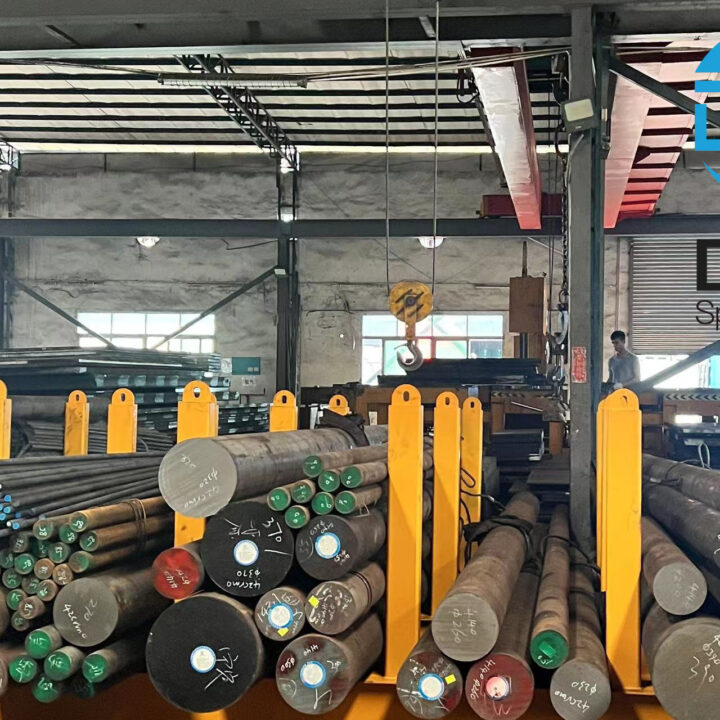
Round Bars: Diameter from 16mm to 300mm.
-
Flat Bars / Plates: Thickness from 6mm to 200mm, Width up to 500mm.
-
Sections: We can also supply squares and hexagons depending on demand.
A Note on Price
We often get asked: “Why is your price different from the mill down the road?”
Think of it this way: You don’t buy a race car tire for the price of a bicycle tire. The price of 16MnCr5 is influenced by the price of Ferro-Chrome and Manganese on the global market. However, price per ton is only half the equation. The other half is the cost of failure.
At Otai, we don’t cut corners on the “grain size” or the “micro-cleanliness.” We offer competitive market rates, but we refuse to compromise on the integrity of the material to lower the price. We focus on the Value-to-Cost Ratio.
The “Steel” Questions You Should Be Asking
Before you place your next order, consider these questions:
-
“Is my application sensitive to the ‘H’ band? Do I need the hardenability to be strictly controlled?”
-
“Do I require a specific grain size to ensure my hardening process is predictable?”
-
“Who is responsible for the heat treatment? If it’s your client, we can supply the steel that is already structured for optimal case depth.”
Otai’s Processing Services
We understand that managing inventory is a headache. To save you time and machinery wear, we offer value-added services in-house.
-
Precision Cutting: We cut to your desired lengths. Save 30% on material waste.
-
Peeling / Turning: Need a bright, surface-finish bar for your CNC machines? We remove the black scale so you don’t have to.
-
Annealing: We ensure the steel is delivered in the optimal soft state for your machining.
Technical FAQ: Quick Insights on DIN 16MnCr5 Steel
1. What is the difference between DIN 16MnCr5 and 20MnCr5?
The number “16” vs “20” indicates carbon content. 16MnCr5 is “lower carbon,” meaning it has a slightly softer core after hardening but is easier to machine. 20MnCr5 offers a stronger core but less flexibility in cold forming.
2. Can 16MnCr5 be welded?
Yes, but with care. It requires preheating (around 150-200°C) and post-weld heat treatment to prevent cracking in the heat-affected zone. It is not recommended for structural welding due to its hardenability.
3. Is 16MnCr5 stainless steel?
No. Despite containing Chromium, it is not stainless steel. The Chromium is present to increase hardenability and strength, not corrosion resistance. A protective coating or oil film is required to prevent rust.
4. What is the best surface treatment for this steel?
For gears, nitriding or carburizing is the standard. Carburizing provides the deepest, hardest case, ideal for high-torque applications.
Disclaimer: The technical data provided in this article is for informational purposes only and is based on standard specifications. Mechanical properties can vary depending on heat treatment and section size. Dongguan Otai Special Steel advises customers to conduct their own trials to ensure suitability for their specific applications.